


Raja Parba in Odisha is one of the most celebrated agrarian festivals of the state, observed every year during the Odia month of Asadha, usually in mid-June. Also known as Mithuna Sankranti, the festival marks the arrival of the monsoon season and celebrates womanhood, fertility, and the nurturing power of Mother Earth.
What makes Raja Parba truly special among Odisha festivals is how it brings together tradition, culture, food, music, and community celebrations all at once. The festival symbolizes respect for women and nature while bringing families and communities together in joyful festivities.
Table of Contents
Mythology Behind Raja Parba in Odisha
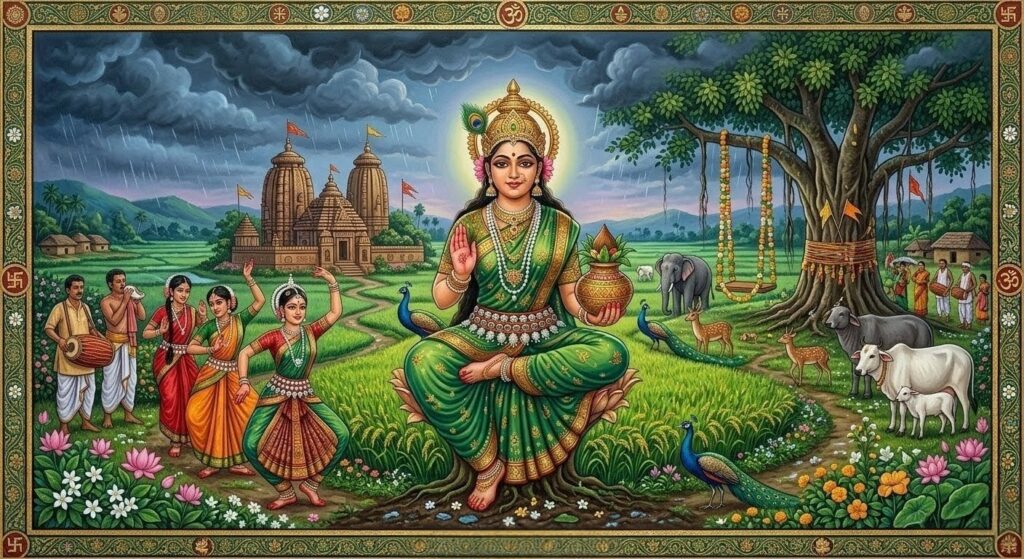
The origins of Raja Parba in Odisha are deeply rooted in Hindu mythology. It is believed that Goddess Bhumi, the Mother Earth aspect of Goddess Mahalakshmi and the consort of Lord Vishnu, undergoes her annual menstrual cycle during the first three days of the festival.
The word “Raja” comes from the Sanskrit word “Rajas,” which signifies menstruation. According to tradition, just as menstruation represents fertility in women, Mother Earth also experiences a period of fertility before the arrival of the rains. So the festival is seen as a celebration of creation, renewal, and life itself.
During these days, agricultural activities are suspended as a mark of respect for Mother Earth. This belief is what makes Raja Parba in Odisha one of the most distinctive women-centric festivals in India.
Days of Raja Parba in Odisha
Although the festival is primarily observed for three days, celebrations in many regions extend to five days.
Sajabaja: The Preparation Day
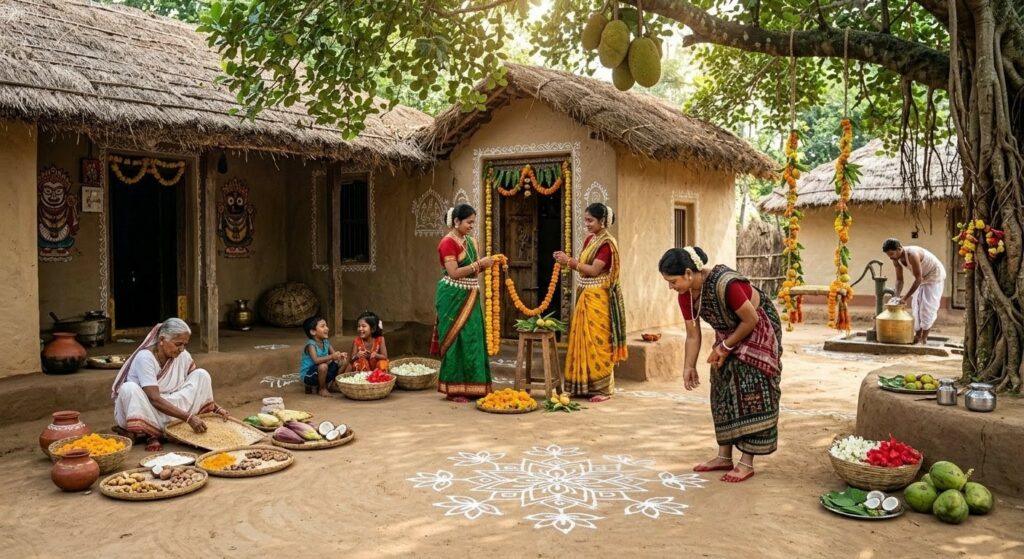
The day before the festival begins is known as Sajabaja. Homes, kitchens, courtyards, and grinding stones are thoroughly cleaned. Families prepare traditional foods and make arrangements for the upcoming celebrations.
Pahili Raja
The first day of Raja Parba in Odisha is called Pahili Raja. Women and girls wear new clothes, apply alta on their feet, adorn themselves with ornaments, and begin the festivities.
Raja Sankranti (Mithuna Sankranti)
The second day, known as Raja Sankranti or Mithuna Sankranti, is considered the most important day of the festival. It marks the beginning of the solar month of Mithuna and the arrival of the monsoon season.
Basi Raja (Bhuin Dahana)
The third day, known as Basi Raja or Bhuin Dahana, continues the celebrations with traditional games, family gatherings, and festive meals.
Basumati Snana
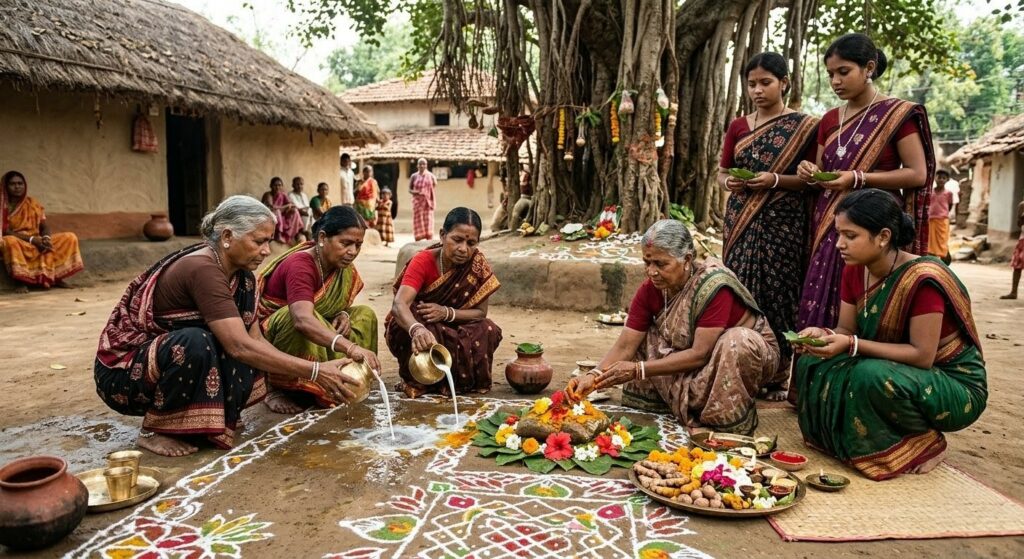
The concluding day is called Basumati Snana. Women ceremonially bathe and worship a grinding stone symbolizing Mother Earth using turmeric paste, flowers, sindoor, and seasonal fruits. This ritual marks the end of the menstruation period of Mother Earth and her return to fertility.
Also Read: Odisha Tourist Destinations And Food Items
Rituals and Traditions of Raja Parba in Odisha
One of the most remarkable aspects of Raja Parba in Odisha is how women and girls observe traditional customs throughout the festival. During these days, they are relieved from household chores and physical labor.
Traditionally, women avoid activities such as cooking, grinding spices, digging soil, walking barefoot, and undertaking strenuous work. Instead, they spend their time resting, socializing, and enjoying the festive atmosphere.
These customs reflect a genuine respect for womanhood and recognize how important rest and well-being truly are. The festival carries cultural values that have been woven into Odia culture and traditions for generations.
Swings, Folk Songs and Cultural Celebrations
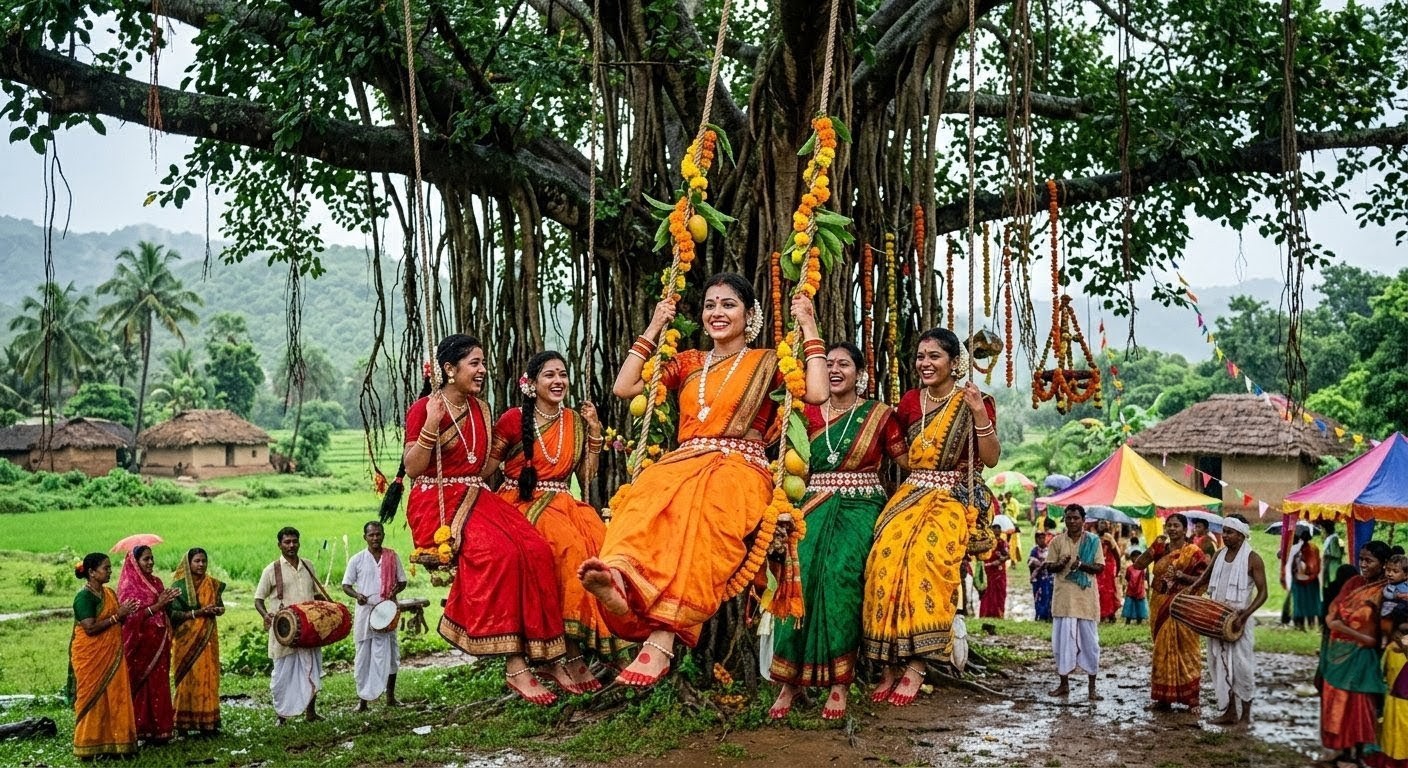
No celebration of Raja Parba in Odisha feels complete without swings and folk songs. Decorative rope swings are tied to large trees, and girls spend hours enjoying the swings while singing traditional Raja songs.
Various types of swings such as Ram Doli, Charki Doli, Pata Doli, and Dandi Doli add excitement to the celebrations. These songs carry themes of love, friendship, family values, and social life, forming an important part of Odisha’s rich folk heritage.
The festive atmosphere is further brought to life through village fairs, cultural programs, traditional games, Gotipua dance performances, and Jatra theatre shows.
Traditional Foods of Raja Parba in Odisha
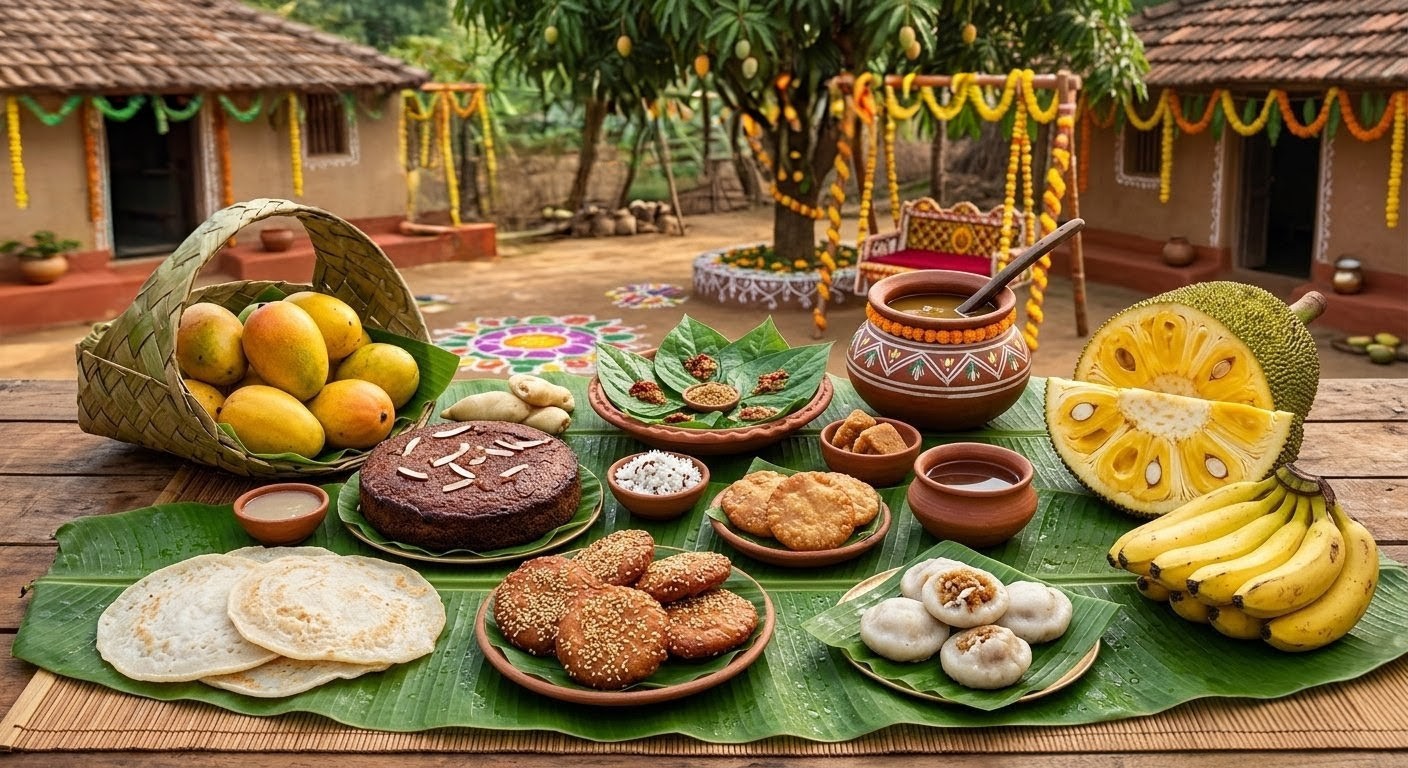
Food holds a very special place in Raja Parba in Odisha. Families prepare a variety of traditional Odia delicacies that are enjoyed throughout the festival.
The most famous dish associated with the festival is Poda Pitha, a slow-baked rice cake often regarded as one of the favorite offerings of Lord Jagannath. Other popular delicacies include Arisa Pitha, Raja Pana, various seasonal fruits, and traditional curries.
The aroma of freshly prepared Poda Pitha and the sharing of festive meals among friends and relatives add a warmth to the celebrations that is hard to describe unless you have experienced it yourself.
Community Celebrations and Village Life
The Monsoon Festival in Odisha is also a time for strengthening social bonds. Many people travel back to their native villages to celebrate with family members and childhood friends.
Men participate in traditional games such as Kabaddi, card games, and other recreational activities. Community gatherings, cultural performances, and shared meals create an atmosphere of genuine joy and togetherness.
The suspension of agricultural activities gives villagers a chance to breathe and relax before the demanding monsoon farming season begins.
Why Raja Parba in Odisha is Unique
Among all Odisha festivals, Raja Parba stands out for how openly and warmly it celebrates both womanhood and nature. The festival promotes respect for women, acknowledges the fertility of Mother Earth, and strengthens community relationships in ways that feel organic and heartfelt.
Its combination of mythology, agricultural significance, cultural traditions, folk music, swings, and traditional cuisine makes it unlike any other festival in India. The celebration reflects a beautiful harmony between human life and nature that feels very much alive even today.
Raja Parba in Odisha is much more than a seasonal festival. It is a celebration of fertility, womanhood, nature, and cultural heritage. Rooted in ancient beliefs and enriched by centuries of tradition, the festival continues to be an integral part of Odia culture and traditions.
From the worship of Mother Earth and the observance of Mithuna Sankranti to the enjoyment of swings, folk songs, and delicious Poda Pitha, Raja Parba in Odisha offers a cultural experience that genuinely brings people together. As the first rains of the monsoon arrive, the festival serves as a reminder of humanity’s enduring connection with nature, community, and the cycle of life.
Also Read: Beyond the Promise of MSP: Structural Realities of Paddy Procurement in Odisha

