


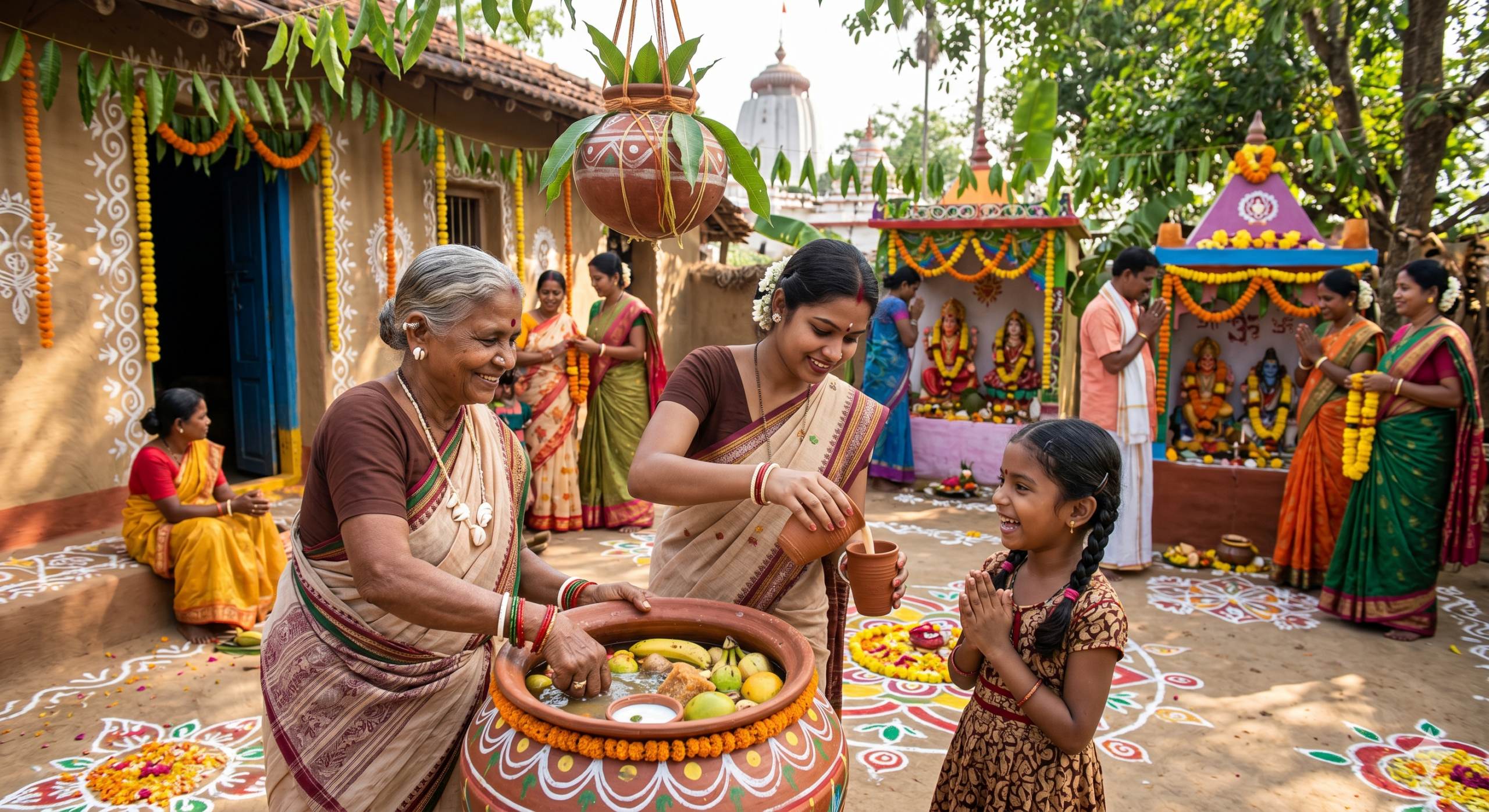
The annual festival of Maha Bishuba Sankranti, popularly called Pana Sankranti, is a cherished celebration in Odisha that marks the beginning of the Odia New Year. The festival signifies a fresh start, bringing positive energy into homes and reminding people of the continuous cycle of renewal in life and nature. Families prepare for it with enthusiasm, cleaning their houses, adorning entrance doors with mango leaf garlands, and offering prayers. More than a festive date, it’s a moment to reconnect with one’s roots, symbolizing a spiritual cleansing that helps people enter the year with hope and devotion.
Maha Bishuba Sankranti 2026 will fall on 14 April 2026, coinciding with the Sun’s entry into Aries—a moment considered holy and astrologically powerful. Across Odisha, people observe prayers, temple visits, and community rituals while exchanging good wishes and sweet Pana drinks. The festival unites villages and cities alike, turning the day into a blend of devotion, food, and cultural expressions. Above all, it’s a heartfelt reminder that every new year begins with gratitude for nature’s blessings and faith in divine protection.
Maha Bishuba Sankranti Significance
Maha Bishuba Sankranti carries a profound meaning rooted in Odisha’s culture and the rhythm of the cosmos. As the Sun enters the Aries zodiac sign, marking the start of a new solar cycle, this event is celebrated as the Odia New Year. It symbolizes light conquering darkness, transformation, and the idea of beginning anew with pure thoughts. Families believe that participating in the rituals of this day helps cleanse one’s spirit and bring prosperity throughout the year. It’s also the time to thank nature for its resources and pray for balance between humans, animals, and the environment.
Religious scriptures mention the day as an auspicious moment for charity, meditation, and ritualistic bathing in holy waters. People donate food, clothing, and water pots to help others endure the summer heat—a gesture that reflects the spirit of compassion the festival stands for. In rural Odisha, elders teach younger generations the importance of harmony in living with the rhythms of nature, making Sankranti a festival that unites spirituality with environmental respect.
Also read: Danda Nata: A Traditional Dance Festival
Rituals and Traditions That Add Colour to Celebration
The traditions of Maha Bishuba Sankranti 2026 beautifully combine devotion, community spirit, and cultural heritage. The day begins at dawn when people take a holy dip in rivers or ponds, symbolizing the purification of body and mind. Many visit temples dedicated to Lord Shiva and Lord Hanuman, seeking blessings for health and prosperity. The most distinctive ritual of all is the preparation and offering of the Pana drink. People prepare it with love, offer it to the deities, and then share it with others as prasada, representing generosity and joy.
Homemade decorations featuring mango leaves and earthen pots filled with water are common sights. Some hang small pots called ‘jhanda’ or ‘pana ghata’ above houses to offer continuous drops of water to the earth below, symbolizing respect for nature during the hot season. These rituals highlight the emotional and ecological depth of the festival, showing how spirituality and sustainability come together seamlessly in traditional Odia life.
Festive Celebrations All Across Odisha
The joy of Maha Bishuba Sankranti extends beyond homes into towns and villages across Odisha. Colourful fairs, popularly known as melas, are organized where locals gather to enjoy folk performances, dances, and plays like pala and daskathia that narrate mythological stories. The streets of cities such as Bhubaneswar, Cuttack, and Puri become vibrant with music, flower garlands, and marketplaces selling seasonal fruits. Villagers make rangolis in front of their homes and decorate idols of deities with sandalwood paste and flowers, enhancing the festive charm.
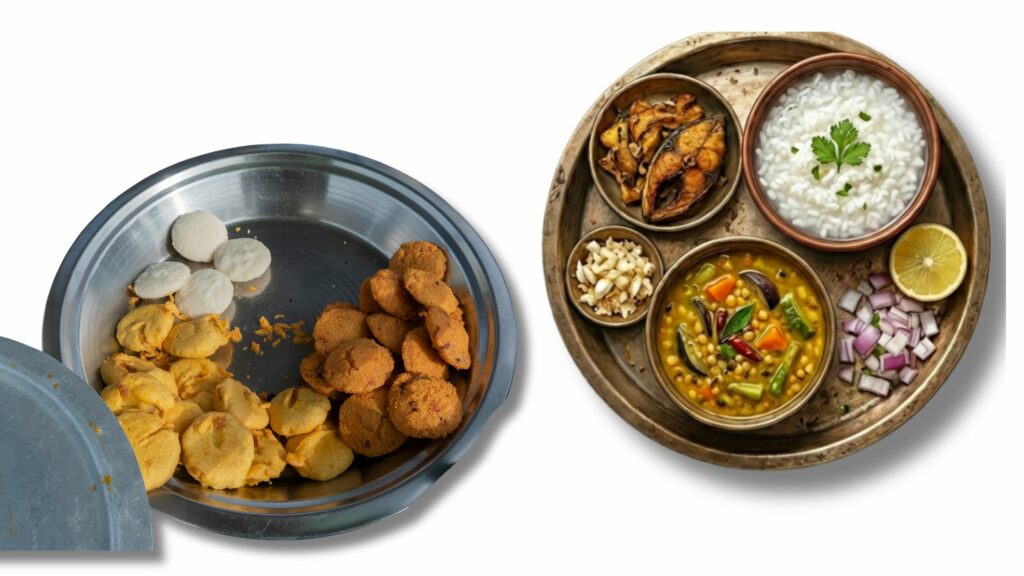
This day also inspires social unity. Communities come together to distribute food and water, helping travellers and animals stay cool in the summer heat. Schools and cultural organizations hold storytelling sessions and competitions to revive interest in traditional Odia customs among young people. The combined spirit of celebration and charity transforms Maha Bishuba Sankranti into a social event that strengthens ties and spreads happiness from one home to another.
Spiritual Essence and Astrological Meaning
More than a festival, Maha Bishuba Sankranti 2026 has deep spiritual and astrological significance. The Sun’s transition into Aries marks the beginning of a fresh solar year, representing vitality, courage, and progress in Vedic astrology. It is believed that performing sacred rituals on this day ensures mental clarity and protection from negativity. People meditate or pray to the Sun God for strength and success, believing that divine energy flows more openly as the new cycle begins.

This festival also acknowledges the five natural elements: earth, water, air, fire, and space, that sustain life. By offering water to the gods and sharing food, devotees express gratitude for these universal forces. Many households chant spiritual hymns and yoga practitioners dedicate their morning sessions to the rising sun, aligning physical and spiritual balance. Maha Bishuba Sankranti therefore connects the motions of the planets to the principles of harmony, making the occasion not just cultural but cosmically significant too.
Maha Bishuba Sankranti 2026 serves as both a festive and spiritual milestone, symbolising Odisha’s beautiful connection between faith, food, and nature. This Odia New Year reminds everyone that life’s true wealth lies in compassion, community, and the harmony shared between humans and the natural world.
Also read: Odisha Tourist Destinations And Food Items

