


If you’ve followed Indian politics or security affairs over the past few decades, you’ve almost certainly heard of the Red Corridor in India. For a long time, it stood as one of the most serious and deeply rooted internal conflicts the country had ever faced. Spanning large parts of Central and Eastern India, the region became the heartland of the Naxalite-Maoist insurgency, a movement born out of genuine frustrations around land rights, tribal welfare, and the kind of grinding poverty that comes when the state simply isn’t present in people’s lives.
At its worst, the insurgency had a grip on nearly 180 districts spread across multiple states. That’s not a small number. But things have changed, and changed considerably. A mix of sustained security operations, infrastructure investment, and genuine community outreach has pushed Naxalism to the margins in areas where it once operated openly.
Table of Contents
Understanding the Red Corridor in India
The Red Corridor is the name given to the belt of districts historically dominated by Naxalite or Maoist activity. The label stuck because of how concentrated and persistent the presence of Left Wing Extremist groups was across the forested and tribal regions of Central and Eastern India.
The roots of the movement go back to 1967, when an uprising in Naxalbari, West Bengal, set off a chain of events that would define decades of conflict. Drawing inspiration from Maoist ideology, various armed factions sought to take on state authority directly, positioning themselves as the voice of India’s most marginalized communities. Over time, the movement spread far beyond West Bengal, embedding itself in some of the country’s most remote and underserved regions.
Why Naxalism Gained Support in Tribal Regions
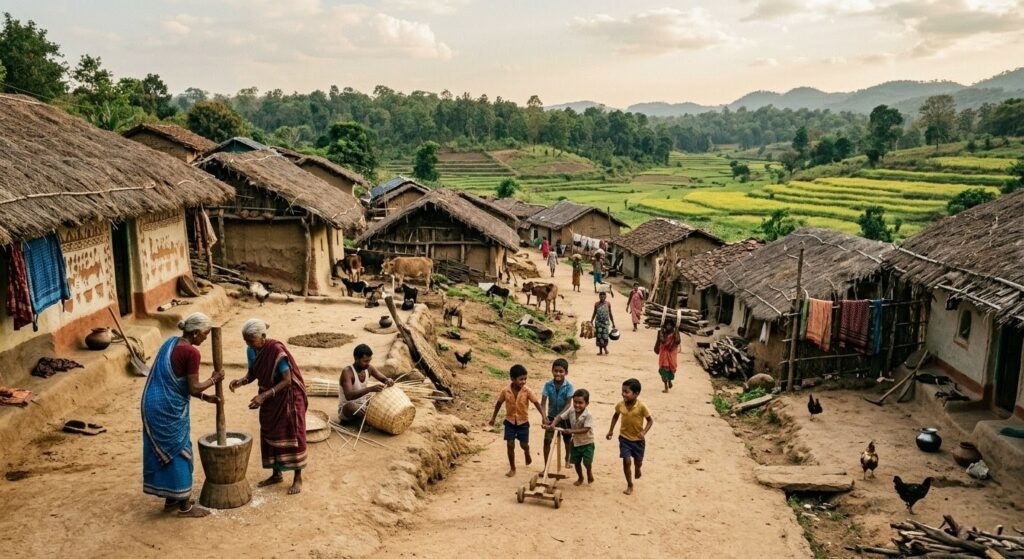
To understand the Red Corridor in India, you have to understand the conditions that made Naxalism appealing to begin with. This wasn’t simply a case of outsiders imposing an ideology. The insurgency grew in places where poverty was severe, roads were nonexistent, hospitals were hours away, and schools were few and far between.
States like Chhattisgarh, Jharkhand, and Odisha had large tribal populations that faced real and ongoing injustices around land ownership, displacement, and access to forest resources. When the government felt distant or actively harmful, and when Maoist groups showed up with resources and a sense of purpose, some communities found that arrangement more appealing than the alternative of simply being ignored.
That context matters because it explains why purely security-focused responses, without development to back them up, were never going to be enough on their own.
The Shrinking Footprint of the Red Corridor in India
What a difference a decade makes. The Red Corridor in India today looks very different from what it did in the late 2000s or early 2010s. Areas that once served as the logistical backbone of Maoist operations have seen steady erosion of insurgent presence, driven by both security pressure and the slow but real expansion of government services.
Official data has consistently shown a declining number of affected districts year on year. Regions that were once considered no-go zones for security forces, where Maoist writ ran largely unchallenged, are now connected by roads, served by mobile networks, and patrolled by police. The geography of the conflict has shrunk considerably, with serious activity now limited to a handful of the most remote pockets.
Also Read: Mid Day Meals (MDM) Scheme – A Critical Re-look
Security Operations That Changed the Ground Reality
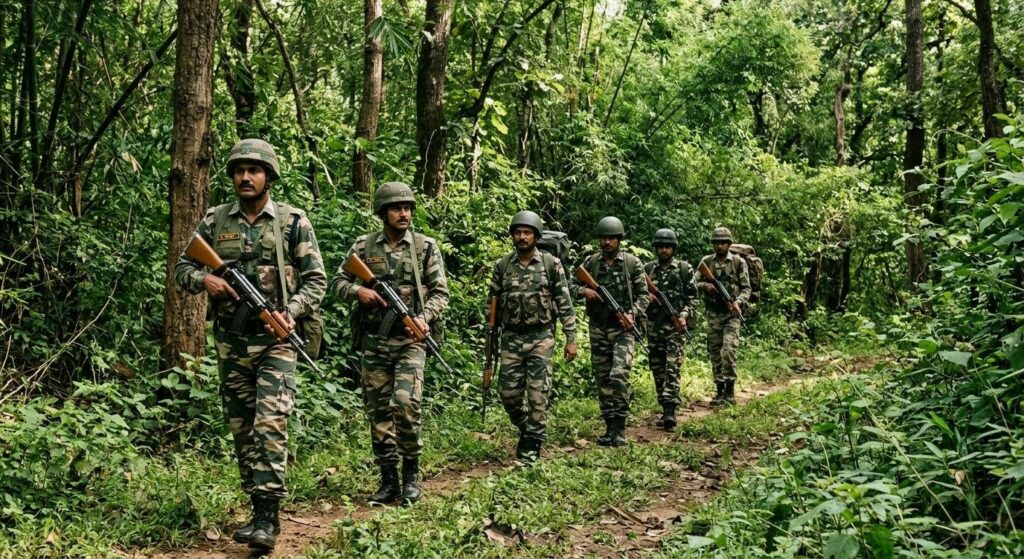
One of the biggest turning points in transforming the Red Corridor in India was the shift in how security operations were conducted. Rather than reactive responses to attacks, forces began establishing Forward Operating Bases deep inside forest areas, allowing for a sustained presence in places that were previously accessible only to insurgents.
Districts like Bastar, Bijapur, and Abujhmad saw operations that went after Maoist infrastructure directly, targeting the camps, bunkers, weapon stockpiles, and communication lines that kept the movement functional. Coordination between central paramilitary forces and state police also improved significantly, closing gaps that had previously been exploited.
Technology played a role too. Drones and better intelligence systems made it harder for insurgent groups to move freely or maintain the kind of rural support networks they once relied on.
Development Initiatives Beyond Security Measures
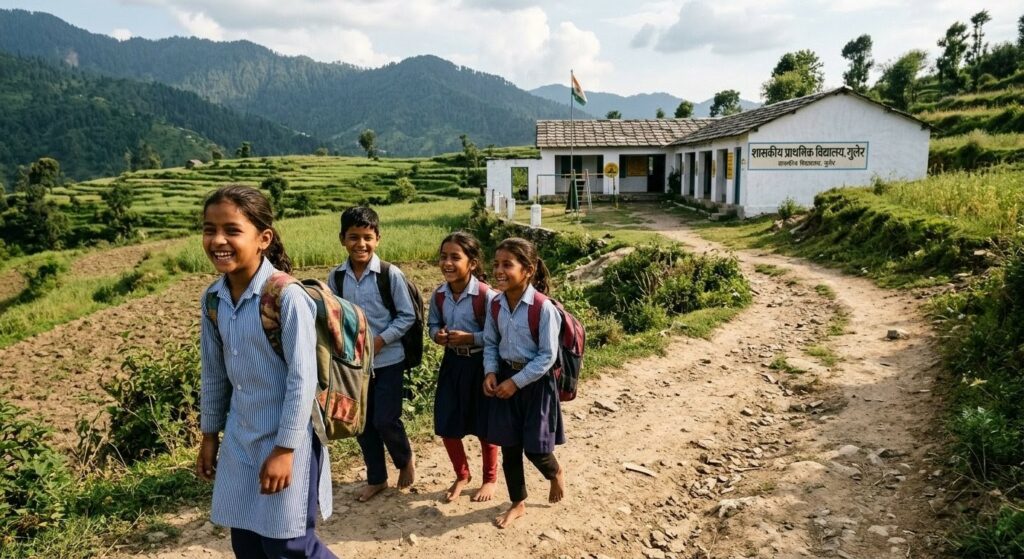
Security operations alone don’t win a conflict like this. Ask anyone who has studied the Red Corridor in India closely and they’ll tell you that roads, schools, and hospitals matter just as much as troop deployments. The good news is that on this front, there has been real movement.
Remote villages that were once reachable only on foot now have road access. Mobile connectivity has expanded into areas where people previously had no link to the outside world. Health camps, school construction, and welfare scheme implementation have all picked up pace in formerly affected districts.
Perhaps most meaningfully, recruitment programs targeting local youth have given young people in these areas a path forward that doesn’t involve either joining an insurgency or leaving their communities behind. Sports programs and government jobs have quietly done a lot of work to shift the calculus for an entire generation.
Changing Lives in Former Naxal Strongholds
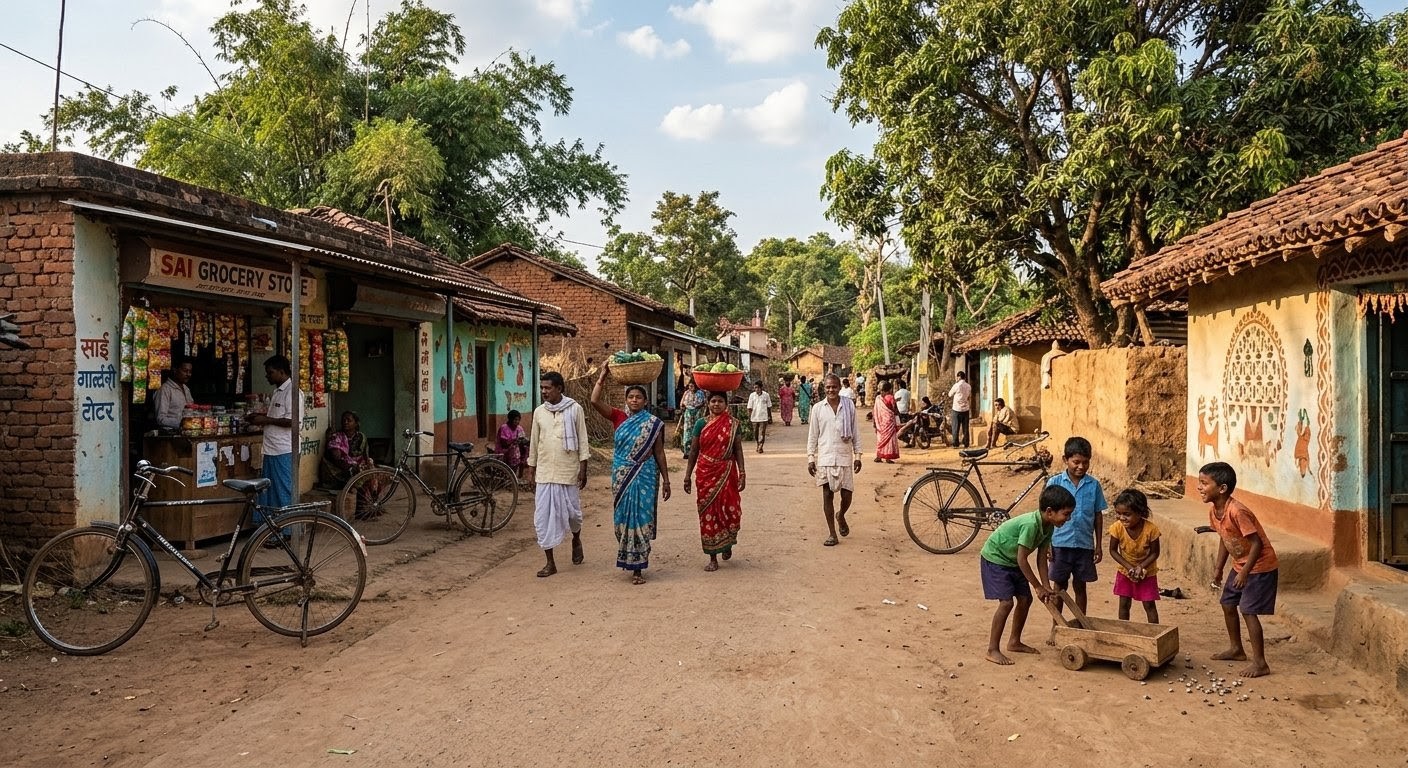
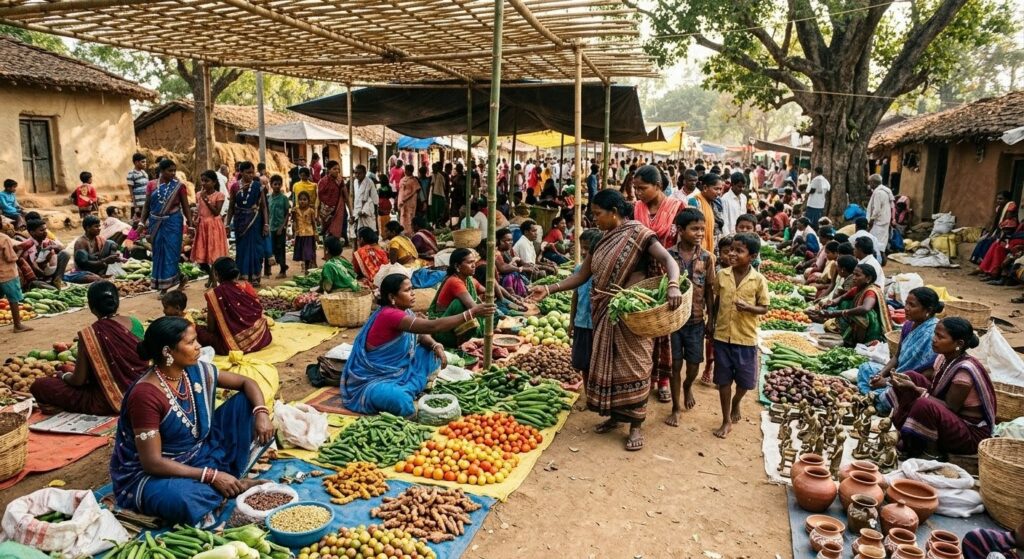
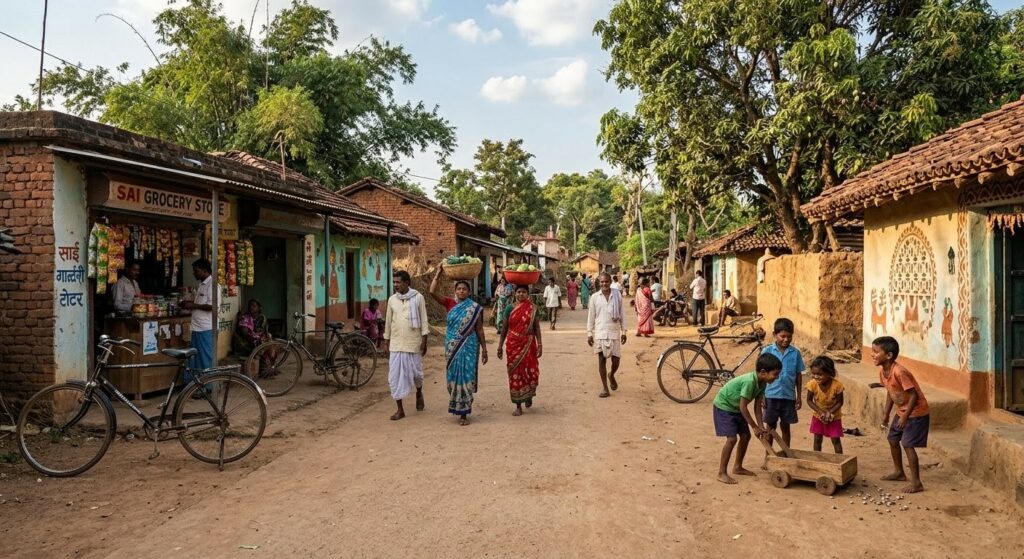
The numbers and policy descriptions are one thing, but the human reality tells a more vivid story. Villages that spent years under travel restrictions and constant threat of violence now report a return to something approaching normal life. Local markets are functioning again. Children are going to school. People are talking about the future rather than just trying to survive the present.
Former insurgents who have laid down arms frequently point to the same set of reasons: the operational pressure became relentless, the safe areas kept shrinking, and the promises that had drawn them into the movement never materialized. Rehabilitation programs have helped many of them reintegrate, though the process is never simple or quick.
None of this means the conflict is over. But the everyday experience of people living in once-affected parts of the Red Corridor in India has improved in ways that would have seemed unlikely not long ago.
Challenges That Still Remain
It would be a mistake to declare victory. Sporadic attacks still occur in certain remote areas, and the conditions that fueled the insurgency in the first place have not disappeared entirely. Poverty, displacement of tribal communities, land rights disputes, and governance gaps remain real issues in parts of Central India.
Any analyst who has watched this conflict for long will caution against confusing a weakened insurgency with a resolved one. Sustainable peace in the Red Corridor in India will require the development gains to keep coming, and for the government to follow through on commitments to the communities that bore the brunt of decades of violence.
The Future of the Red Corridor in India
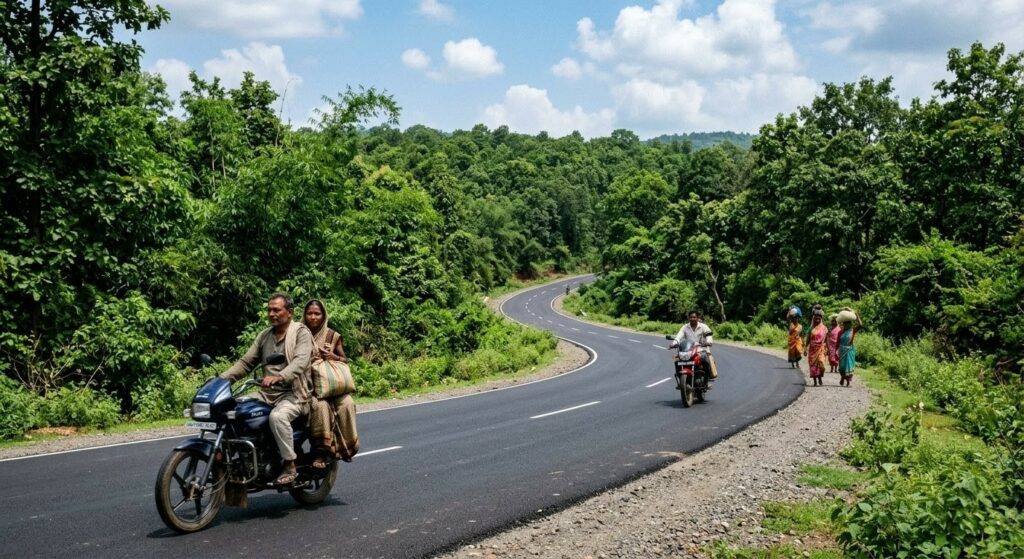
Where does the Red Corridor in India go from here? The honest answer is that the trajectory is encouraging but not guaranteed. What was once a sprawling insurgency spanning hundreds of districts has been compressed into a much smaller operational space. That is a significant achievement, and it didn’t happen by accident.
But the final chapter hasn’t been written yet. The communities that live in formerly affected areas need to see the government stay invested in their wellbeing, not just during active operations but long after the security situation stabilizes. If the development work holds and the underlying grievances are genuinely addressed, the Red Corridor may eventually become a historical term rather than an active security designation. That outcome is within reach, but it will take sustained commitment to get there.
Also Read: The Condition of Rural Women In Society

