



Most of us wake up to a phone screen before we even open our eyes properly. Work happens on a laptop. Classes happen on a laptop. Relaxing happens on a phone too, scrolling through reels long after the day’s tasks are done. Somewhere in this constant switching between tabs, apps, and notifications, the line between being online and being present has quietly disappeared.
This shift has made life more convenient in many ways. It has also made rest harder to find. Digital burnout is becoming a common experience among professionals, students, freelancers, remote workers, and even children who are growing up with screens as a default part of daily life.
This article breaks down what digital burnout actually looks like, why it happens, and what a realistic recovery process involves.
Table of Contents
What Is Digital Burnout?
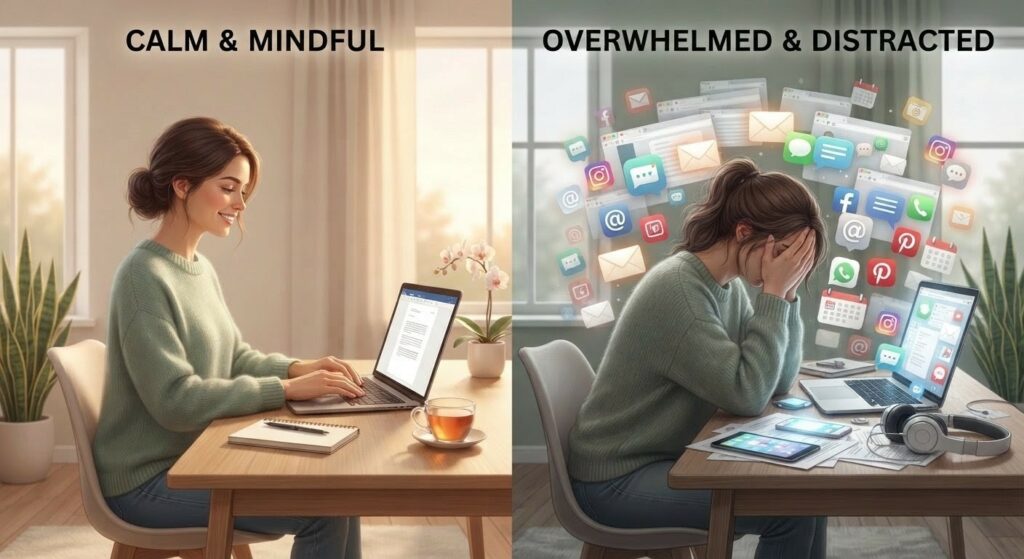
Digital burnout is the mental, emotional, and physical exhaustion that builds up from spending too much time engaging with screens and digital devices. It is closely related to general burnout, but the trigger is different. General burnout usually comes from work pressure or life stress. Digital burnout comes specifically from information overload, constant connectivity, and a brain that never gets a real break from processing input.
Every notification, every scroll, every switch between apps asks something of your attention. Over time, this adds up. The brain is built to focus, rest, and then focus again. Continuous digital engagement removes the rest part of that cycle.
Remote work and online learning have made this worse. When the same device is used for meetings, deadlines, entertainment, and conversations with friends, there is no natural signal telling the brain when work ends and personal time begins. Screen fatigue sets in quietly, and by the time it is noticeable, it usually means the exhaustion has already been building for a while.

What Causes Digital Burnout?
Excessive Screen Time
Working, studying, and unwinding all happen on the same device, sometimes the same screen. There is no physical separation between tasks anymore, which means the mind rarely gets a real change of scenery.
Constant Notifications
A ping from email, a message on chat, an update from social media. Each one pulls attention away from whatever is happening in the moment. Over a full day, this adds up to very little uninterrupted thinking time.
Social Media Overload
Doomscrolling, comparison culture, and an endless stream of information all contribute to digital fatigue. The scroll never really ends, and neither does the mental processing that comes with it.
Remote Work Without Boundaries
When the office is also the bedroom, it becomes difficult to switch off. Many remote workers report checking messages well past working hours simply because the device is always within reach.
Multitasking Across Devices
Emails on the laptop, messages on the phone, meetings on video calls, all competing for attention at the same time. This kind of multitasking feels productive but actually drains focus faster than single-tasking ever would.

Common Signs and Symptoms of Digital Burnout
Digital burnout doesn’t show up as one single symptom. It usually spreads across different areas of daily functioning.
Mental Symptoms
Brain fog, difficulty concentrating, mental exhaustion, irritability, and a general sense of being overwhelmed even by small tasks.
Emotional Symptoms
Anxiety, low motivation, emotional drain, growing frustration, and a noticeable dip in creativity or enthusiasm for things that once felt engaging.
Physical Symptoms
Eye strain, headaches, neck and shoulder pain, poor posture, disrupted sleep, and persistent fatigue that doesn’t go away with a short nap.
Behavioral Symptoms
Doomscrolling, reduced productivity, procrastination, compulsively checking the phone, and avoiding tasks that require sustained focus.

How Digital Burnout Affects Your Health
Mental Health
Prolonged digital fatigue can contribute to anxiety, chronic stress, and emotional exhaustion. In more serious cases, it can overlap with symptoms of depression, especially when screen use replaces meaningful rest.
Physical Health
Sleep deprivation, chronic headaches, a sedentary lifestyle, weight gain, and reduced energy levels are all common physical outcomes of long term screen fatigue.
Productivity
Poor decision making, more frequent mistakes, lower creativity, and reduced focus tend to follow once digital burnout sets in. Ironically, the more time spent on screens trying to catch up, the less actually gets done.
Relationships
Conversations become shorter and shallower. Digital distractions pull attention away from the people physically present, creating a quiet emotional disconnect that builds up over time without anyone quite noticing.
Who Is Most at Risk?
Digital burnout does not stay limited to one profession or age group. It affects remote workers, students, IT professionals, content creators, gamers, business owners, healthcare workers relying on digital systems, social media managers, freelancers, and parents trying to balance work and family life online.
Anyone whose day depends heavily on screens, for work, study, or connection, is at risk. This makes digital wellness a shared concern rather than an individual failing.
Also Read: The Hidden Signs of High-Functioning Anxiety Most People Ignore

How to Recover from Digital Burnout
Set Clear Digital Boundaries
Define fixed work hours and stick to them. Turn off work notifications once the day is over. A boundary that exists only in intention rarely holds up against a buzzing phone.
Practice a Daily Digital Detox
Small, consistent habits work better than one dramatic detox. No phone during meals, a screen-free hour in the morning, and a screen-free wind down before bed can make a real difference.
Follow the 20-20-20 Rule
Every 20 minutes, look at something 20 feet away for 20 seconds. It is a small habit, but it gives the eyes and the mind a brief, regular reset.
Reduce Notification Overload
Turn off alerts that aren’t essential. Keep only the notifications that genuinely need immediate attention. The rest can wait.
Create Tech-Free Zones
Designate certain spaces, like the bedroom or the dining table, as screen-free. Family time and nature walks work best without a phone competing for attention.
Take Regular Breaks
Techniques like the Pomodoro method, short walks, stretching, and deep breathing help break up long stretches of screen time and give the mind room to recover.
Prioritize Sleep
Avoid screens for 30 to 60 minutes before bed. Blue light exposure late at night interferes with the body’s natural signal to wind down.
Spend More Time Offline
Reading a physical book, gardening, playing a sport, cooking, or simply spending time with people in person all help rebuild the offline habits that constant screen use tends to erode.
Practice Mindfulness
Meditation, journaling, gratitude exercises, and simple breathing techniques help retrain attention and reduce the mental noise that builds up from constant digital input.
Seek Professional Help if Needed
If burnout continues for weeks or starts affecting daily functioning, speaking with a mental health professional is a reasonable and important next step.
Tips to Prevent Digital Burnout
Limit unnecessary screen time. Schedule offline hobbies into the week rather than leaving them to chance. Use blue light filters in the evening. Avoid multitasking across devices. Take lunch away from the desk. Exercise regularly. Stay hydrated. Protect a consistent sleep schedule. Review screen time weekly to notice patterns early. Learn to say no to digital commitments that don’t add value.

Myths About Digital Burnout
Myth 1
Only people with stressful jobs experience digital burnout. In reality, students, freelancers, and even children show signs of it.
Myth 2
Taking one day off completely fixes burnout. Recovery is usually gradual and depends on consistent habit change, not a single break.
Myth 3
More productivity apps solve digital exhaustion. Often, adding more apps just adds more screens to manage.
Myth 4
Young people are immune to burnout. Younger users, especially heavy social media users, are just as susceptible, sometimes more.
Myth 5
Digital burnout isn’t a real health concern. It has measurable effects on sleep, mood, focus, and physical health, which makes it very real.
When Should You Be Concerned?
Some signs point to something more serious than everyday screen fatigue. Persistent exhaustion, anxiety that lasts several weeks, ongoing sleep problems, panic attacks, declining work performance, and emotional numbness all suggest it is time to seek support. If thoughts of self-harm come up at any point, immediate professional help is necessary.

Technology itself isn’t the problem. How it gets used, and how rarely it gets switched off, is what quietly leads to burnout. Digital burnout doesn’t arrive suddenly. It builds gradually through constant connectivity, information overload, and a lack of real downtime.
The goal isn’t to reject technology altogether but to notice the early warning signs before they start affecting health, relationships, and work. Small, consistent changes make the biggest difference. Setting screen boundaries, taking regular breaks, protecting sleep, and making space for offline activities can restore a sense of balance that constant screen time slowly wears away.
Technology should support life, not consume it. Recognizing that difference is where recovery actually begins.
Frequently Asked Questions
What is digital burnout?
Digital burnout is mental, emotional, and physical exhaustion caused by prolonged and excessive use of digital devices and constant online engagement.
How do I know if I have digital burnout?
Common signs include brain fog, irritability, eye strain, sleep problems, lack of motivation, reduced productivity, and feeling mentally exhausted after screen use.
How long does it take to recover from digital burnout?
Recovery varies from a few days to several weeks depending on severity and how consistently healthy digital habits are practiced.
Is digital burnout the same as work burnout?
No. Work burnout stems primarily from job related stress, while digital burnout is driven by prolonged exposure to screens, notifications, and continuous digital engagement, though the two can overlap.
Can a digital detox help?
Yes. Regular breaks from screens, combined with balanced technology use and offline activities, can reduce stress and improve focus and well-being.
Also Read: How to Heal From Emotional Trauma: A Step-by-Step Guide

