


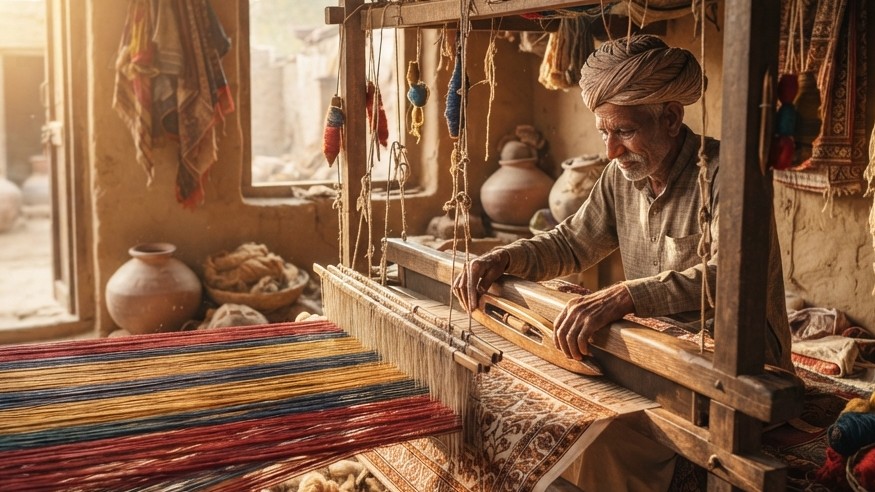
National Handloom Day is celebrated every year on 7 August to honour India’s rich weaving traditions and recognize the invaluable contribution of millions of handloom weavers across the country. The day celebrates India’s centuries-old textile heritage while promoting sustainable fashion, indigenous craftsmanship, and the livelihood of artisan communities.
As India continues to embrace modern fashion and global markets, handloom remains a symbol of culture, craftsmanship, and self-reliance. National Handloom Day reminds us of the importance of preserving traditional weaving techniques and supporting artisans who keep these timeless traditions alive.
Table of Contents
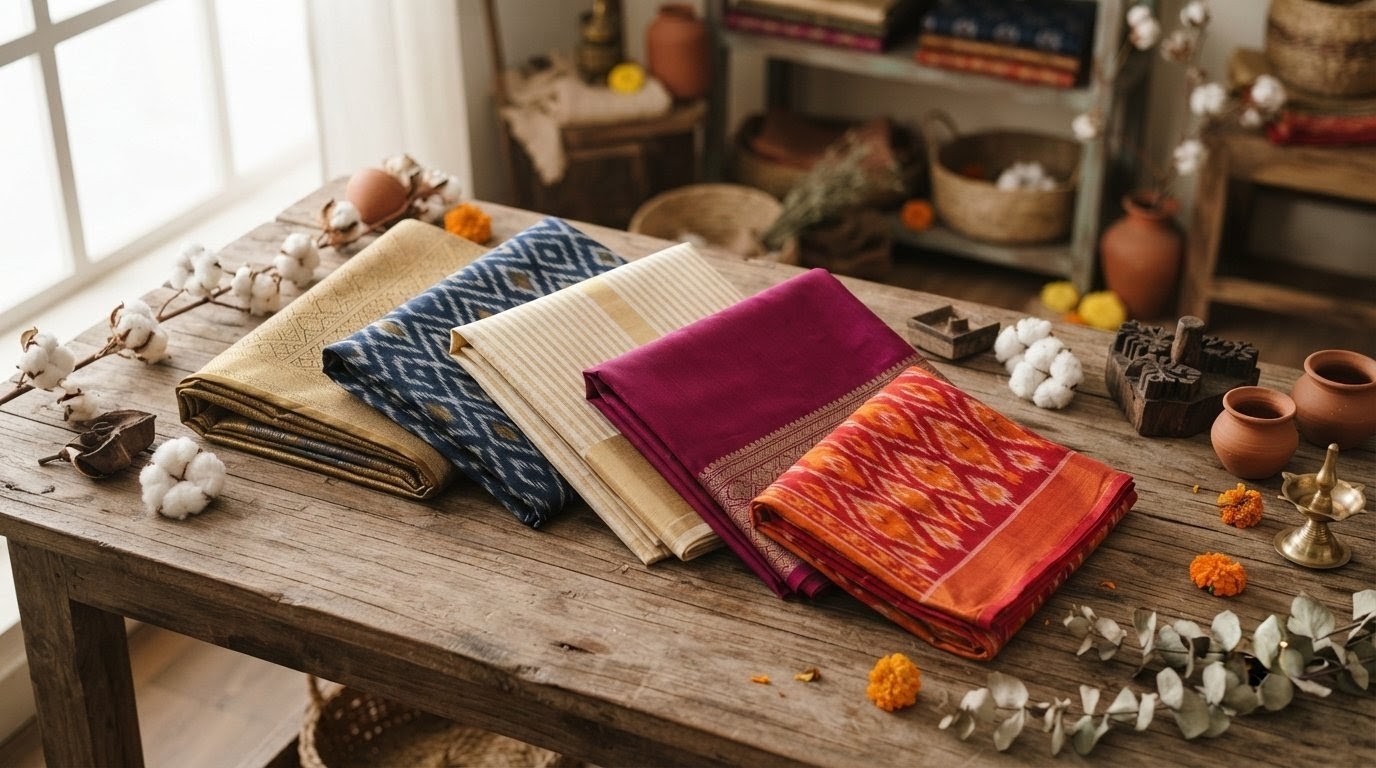
National Handloom Day 2026 Date
National Handloom Day 2026 will be observed on Friday, 7 August 2026 across India.
The occasion is celebrated by government organizations, educational institutions, textile bodies, fashion designers, museums, artisan groups, and millions of citizens who appreciate India’s handwoven heritage.
History of National Handloom Day
National Handloom Day commemorates the launch of the Swadeshi Movement on 7 August 1905, when Indians encouraged the use of indigenous products and supported local industries during the freedom movement.
Recognizing the importance of India’s handloom sector, the Government of India declared 7 August as National Handloom Day in 2015. Since then, the day has been observed annually to honour the country’s weaving traditions and acknowledge the hard work of handloom artisans.
Today, National Handloom Day serves as an important reminder of India’s cultural heritage and the role of traditional weaving in preserving local identities.
Significance of National Handloom Day
National Handloom Day celebrates the artistic excellence and dedication of India’s weaving community while encouraging people to support authentic handloom products.
The day highlights the importance of:
- Preserving India’s traditional weaving heritage.
- Supporting millions of handloom artisans.
- Promoting sustainable and eco-friendly textiles.
- Encouraging the purchase of locally woven products.
- Creating awareness about India’s diverse textile traditions.
- Strengthening rural employment and artisan livelihoods.
Choosing handloom products not only supports skilled craftsmen but also helps preserve traditional knowledge passed down through generations.
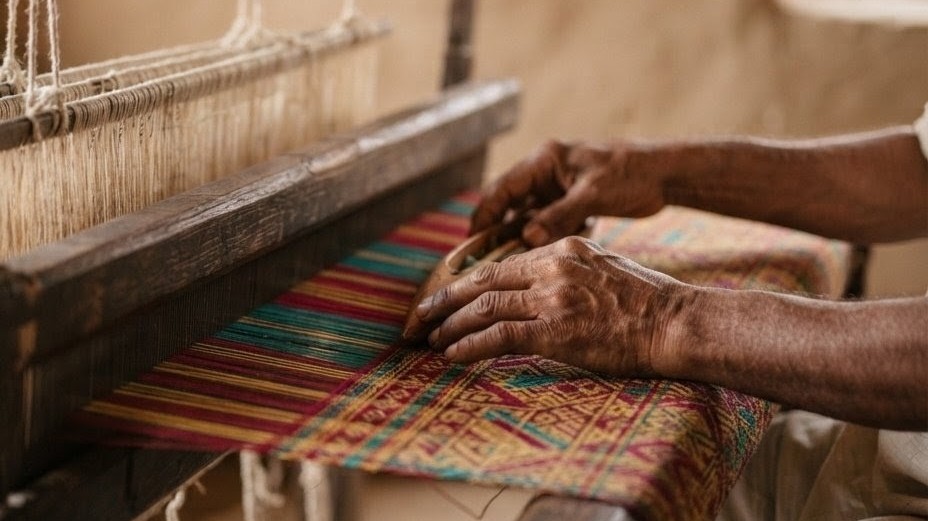
Importance of India’s Handloom Industry
India has one of the world’s largest handloom industries, providing employment to millions of artisans, especially in rural areas.
The sector contributes significantly to:
- Rural employment
- Women’s empowerment
- Cultural preservation
- Sustainable textile production
- Export earnings
- Local economic development
Unlike machine-made textiles, every handloom fabric reflects the skill, patience, and creativity of the artisan who weaves it.
Famous Handloom Traditions of India
India’s handloom heritage varies across states, with each region known for its unique weaving style and craftsmanship.
Banarasi Silk (Uttar Pradesh)
Banarasi silk sarees are famous for their intricate zari work, luxurious silk fabric, and timeless elegance.
Kanchipuram Silk (Tamil Nadu)
These silk sarees are known for vibrant colours, durable weaving, and elaborate temple-inspired motifs.
Chanderi (Madhya Pradesh)
Chanderi textiles are lightweight, elegant, and woven using a blend of silk and cotton.
Pochampally Ikat (Telangana)
Pochampally is celebrated for its distinctive geometric patterns created using the traditional Ikat dyeing technique.
Patola (Gujarat)
Patola weaving is among India’s finest textile traditions, renowned for its intricate double Ikat weaving process.
Muga Silk (Assam)
Exclusive to Assam, Muga silk is valued for its natural golden colour and exceptional durability.
Jamdani (West Bengal)
Jamdani weaving is admired for its delicate floral motifs and intricate handwoven craftsmanship.
Sambalpuri (Odisha)
Sambalpuri textiles feature beautiful Ikat designs inspired by nature, mythology, and regional culture.
Bhujodi Weaving (Gujarat)
Bhujodi artisans create beautifully handcrafted shawls, stoles, and home furnishing textiles using traditional weaving techniques.
Benefits of Choosing Handloom Products
Choosing handloom products offers advantages that extend beyond fashion.
Supports Local Artisans
Every purchase directly contributes to the livelihood of artisan families and helps preserve traditional weaving communities.
Sustainable and Eco-friendly
Handloom weaving consumes significantly less energy than industrial textile production, making it an environmentally responsible choice.
Unique Craftsmanship
Since each fabric is woven individually, every handloom product carries its own unique character and detailing.
Long-lasting Quality
Properly maintained handloom textiles remain durable for years while becoming softer and more comfortable with use.
Also Read: World Nature Conservation Day 2026: Why Protecting Nature Matters More Than Ever
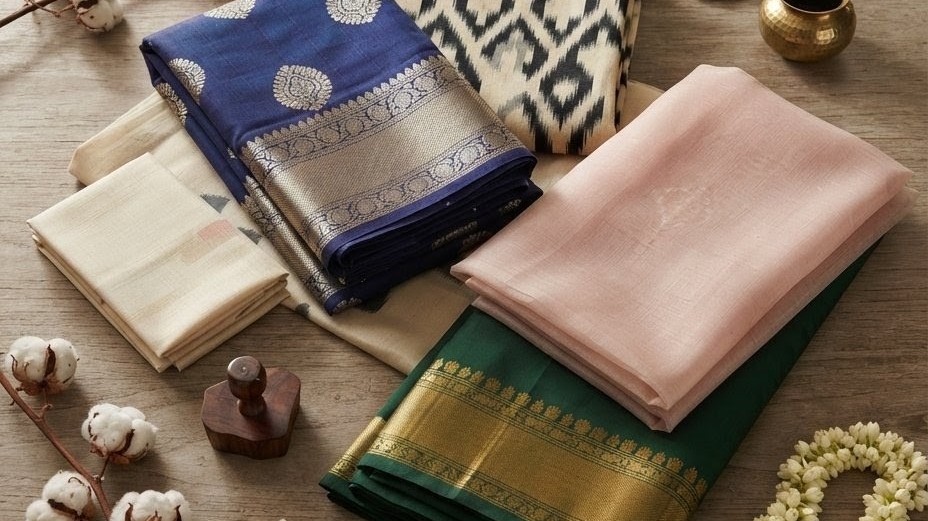
National Handloom Day 2026 Theme
The official National Handloom Day 2026 theme is announced by the Government of India closer to the celebration.
The annual theme guides awareness campaigns, exhibitions, educational initiatives, artisan outreach programmes, and promotional activities organised across the country.
How National Handloom Day is Celebrated
National Handloom Day is celebrated through various events that promote India’s textile heritage and honour artisan communities.
Celebrations include:
- Handloom exhibitions
- Textile fairs
- Weaving demonstrations
- Fashion shows featuring handwoven fabrics
- Educational programmes in schools and colleges
- Artisan recognition ceremonies
- Digital awareness campaigns
- Workshops on traditional weaving techniques
- Promotions of certified handloom products
These activities encourage greater appreciation for India’s diverse weaving traditions.
Role of Young Designers in Promoting Handloom
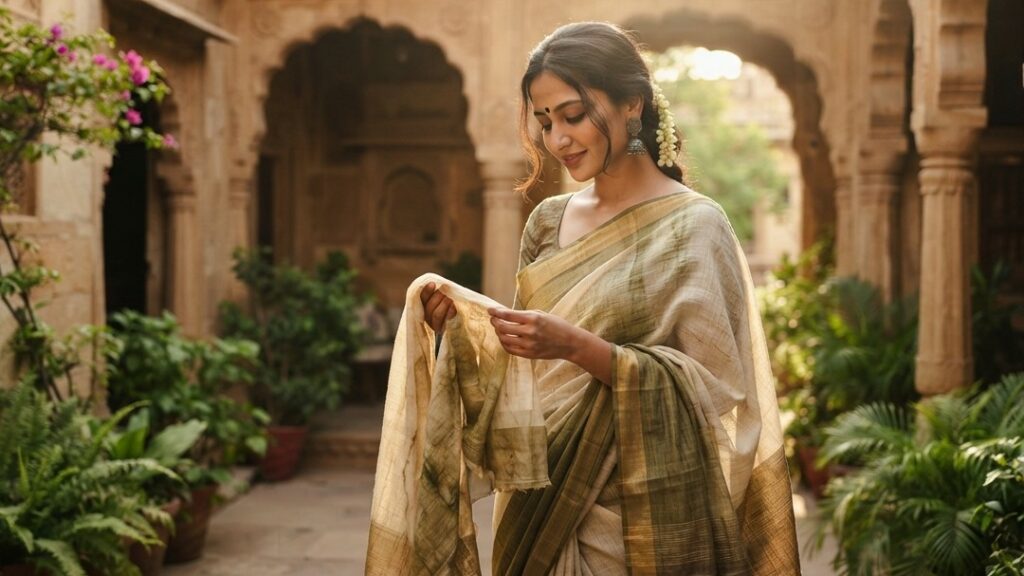
Modern fashion designers are playing an important role in bringing traditional handloom textiles to contemporary audiences.
Many designers collaborate directly with artisan communities to create clothing and home décor products that combine heritage craftsmanship with modern aesthetics.
Their efforts help introduce Indian handloom products to national and international markets while creating new opportunities for weavers.
Government Initiatives for the Handloom Sector
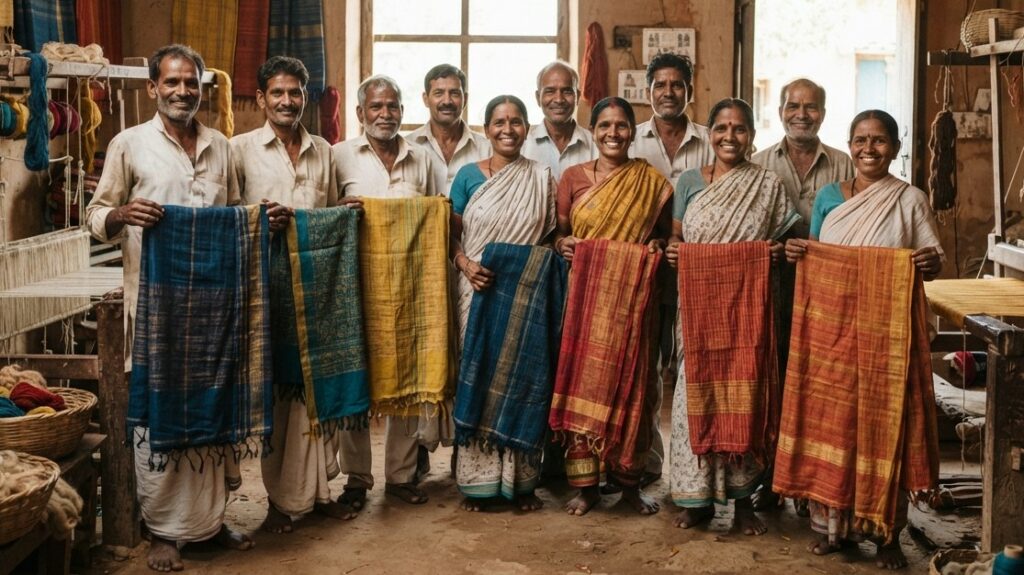
The Government of India supports the handloom industry through various initiatives focused on artisan welfare and sector development.
These initiatives include:
- Skill development programmes
- Marketing support
- Financial assistance
- Export promotion
- Digital marketplace access
- Infrastructure development
- Handloom clusters
- Artisan welfare schemes
- National and international exhibitions
Such initiatives aim to improve artisan livelihoods while preserving India’s traditional weaving heritage.
Interesting Facts About Indian Handlooms
- India has one of the world’s largest handloom industries.
- Millions of people depend on handloom weaving for their livelihood.
- Several Indian textiles have received Geographical Indication (GI) status.
- Every Indian state has its own distinctive weaving tradition.
- Handloom production is among the most sustainable textile manufacturing methods.
- Indian handloom products are exported to countries across the world.
How You Can Celebrate National Handloom Day 2026
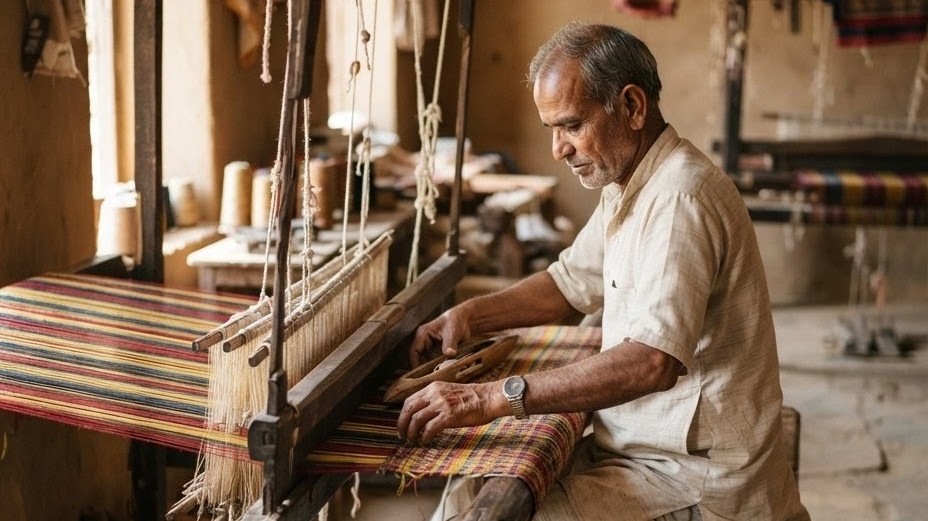
There are many meaningful ways to celebrate National Handloom Day and support India’s weaving community.
You can:
- Purchase authentic handloom products.
- Visit local handloom exhibitions.
- Wear handwoven clothing.
- Support artisan cooperatives.
- Promote Indian handloom products on social media.
- Learn about regional weaving traditions.
- Gift handloom products during festivals and special occasions.
- Encourage sustainable fashion choices.
Every purchase of an authentic handloom product helps preserve India’s rich textile heritage while supporting artisan families.
The Future of India’s Handloom Industry
India’s handloom industry continues to evolve by combining traditional craftsmanship with modern design, digital commerce, and sustainable fashion.
Growing awareness about ethical consumption and environmentally friendly textiles has increased demand for handcrafted products both in India and abroad. With continued support from consumers, designers, and government initiatives, India’s handloom sector is well-positioned to preserve its rich heritage while creating new opportunities for future generations of artisans.
Frequently Asked Questions
What is National Handloom Day?
Every year on 7 August, India pauses to celebrate its handloom heritage. The day exists to honor the weavers and artisans who keep centuries-old techniques alive, often using nothing more than a loom, thread, and years of inherited skill. It is as much a tribute to their craft as it is a reminder that this heritage needs active support to survive.
Why is National Handloom Day celebrated on 7 August?
The date goes back to 1905, when the Swadeshi Movement began on this exact day. That movement pushed Indians to choose homegrown goods over imported ones, and handwoven textiles became one of its strongest symbols. Marking the day on 7 August ties the celebration directly to that history of self-reliance.
Why should we buy handloom products?
Every handloom purchase puts money directly into the hands of the person who made it. That single choice supports an artisan’s livelihood, keeps traditional weaving techniques from disappearing, and pushes back against fast fashion in a small but real way. It also means you walk away with something genuinely one of a kind, since no two handwoven pieces come out exactly alike.
Are handloom fabrics sustainable?
For the most part, yes. Handloom weaving barely relies on electricity, which keeps its carbon footprint low compared to machine production. Most weavers also work with natural fibers like cotton, silk, and wool, so the end product tends to be gentler on the environment at nearly every stage, from raw material to finished cloth.
How can I support Indian handloom artisans?
The simplest way is to buy directly from weavers or from cooperatives and certified handloom brands that work closely with them. Beyond that, choosing handloom over mass produced fabric whenever you can, and talking about it with people around you, helps keep demand alive for a craft that depends entirely on people knowing it still exists.
Also Read: Performance Marketing for Beginners: The Complete Guide to Driving Measurable Business Growth

