


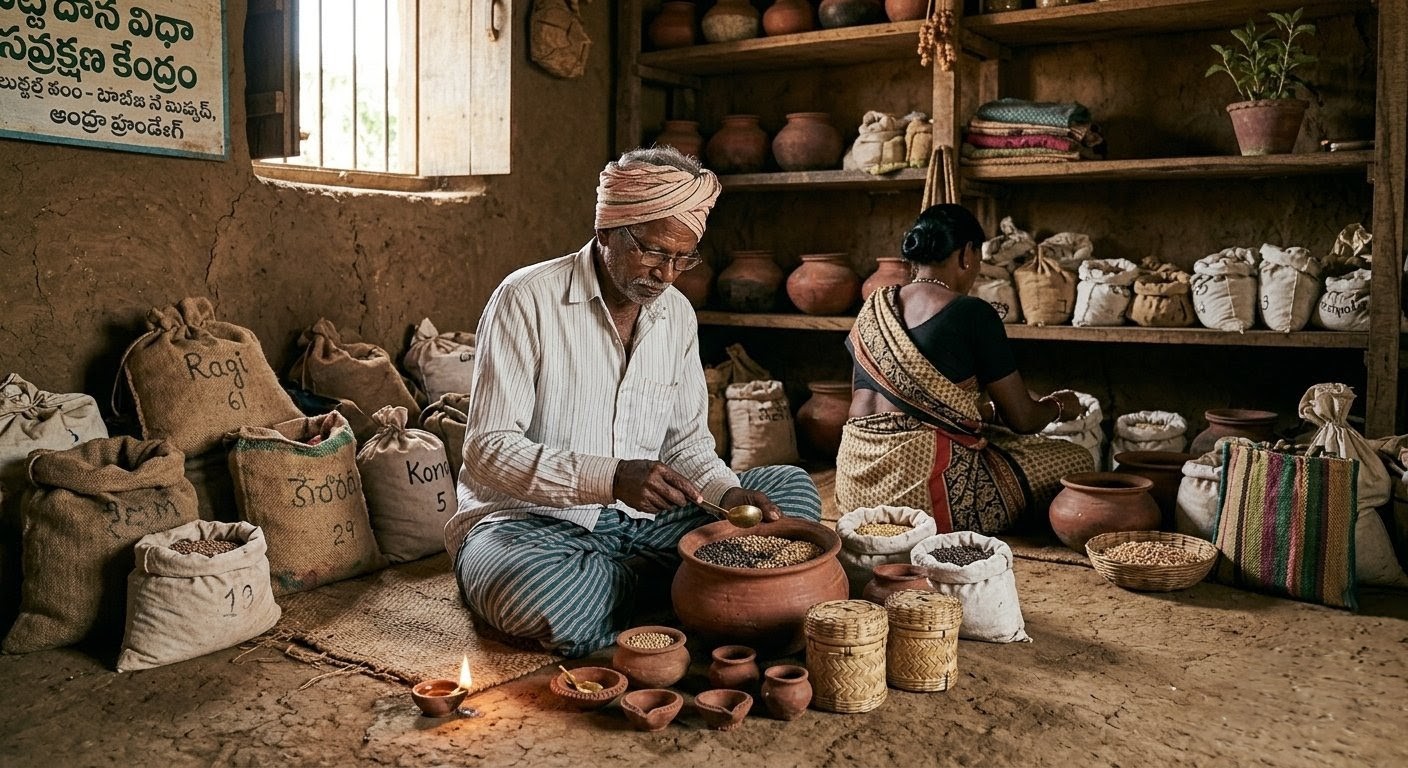
Seeds are more than the beginning of a crop. They carry generations of knowledge, culture, and resilience. For tribal communities, traditional seeds represent a way of life that has evolved alongside nature for centuries. As modern agriculture increasingly relies on commercial and hybrid varieties, the importance of indigenous seed conservation has never been greater.
In the remote hills of Dumbriguda Mandal in the ASR district of Andhra Pradesh, a remarkable community-led effort is ensuring that traditional seed varieties are not lost to time. The Sanjeevani Soil and Seed Information Centre has become a beacon of indigenous seed conservation, preserving local crop diversity while strengthening the livelihoods of tribal farmers.
Table of Contents
Preserving a Rich Agricultural Legacy
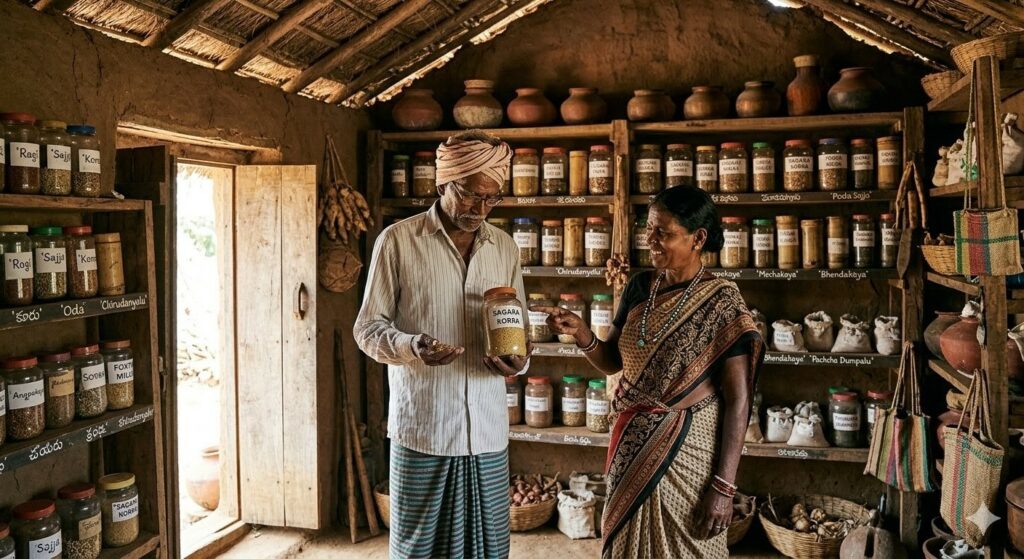
The journey began with a simple mission: to protect traditional seeds that were gradually disappearing from farmers’ fields. What started as a collection of around 45 seed varieties has today grown into a seed bank housing more than 360 varieties of millets and vegetables.
Each seed preserved at the centre reflects generations of farming knowledge and adaptation to local conditions. These varieties have been nurtured over generations and are well suited to the local climate, soil conditions, and farming practices of the region. Through indigenous seed conservation, farmers are protecting not only crops but also the agricultural heritage of their communities.
Inside the seed bank, rows of carefully labelled seeds reflect decades of farming knowledge passed down through generations. It stands as a testament to the value of local knowledge and community participation in safeguarding biodiversity.
The Rise of a Community-Led Conservation Movement
The roots of this indigenous seed conservation initiative began in the early 2000s, when hybrid seeds began gaining popularity across the region. At the time, many farmers viewed traditional seed-saving practices as outdated. The promise of higher productivity encouraged the widespread adoption of commercial seed varieties.
However, as years passed, farmers began noticing challenges related to cultivation costs, changing soil conditions, and the need for greater resilience in agriculture. These experiences renewed interest in traditional farming systems and highlighted the importance of conserving indigenous seeds.
Today, the initiative operates through a participatory approach. A committee of experienced farmers oversees the collection, selection, preservation, and distribution of seeds. Indigenous varieties are gathered from different regions and carefully maintained to ensure they remain available for future generations.
At the heart of the initiative are 74 dedicated seed savers whose efforts have helped preserve valuable crop diversity. Their efforts show that conservation works best when local communities take the lead.
More Than a Seed Bank
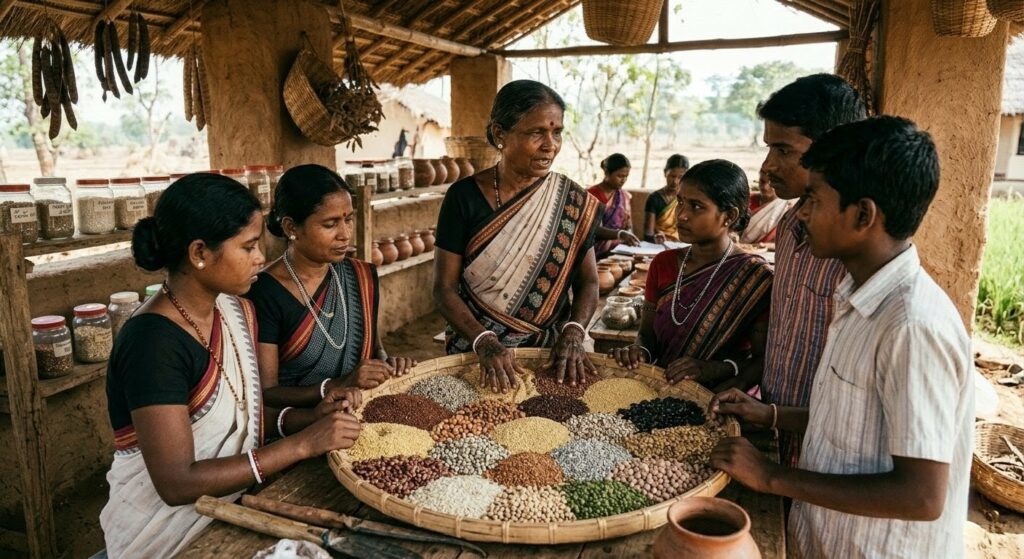
The Sanjeevani Soil and Seed Information Centre is not merely a storage facility. It is also a vibrant space for learning and knowledge exchange. Farmers regularly visit the centre to exchange seeds, discuss cultivation techniques, and share their experiences.
These exchanges help keep traditional seed-saving practices alive. Traditional farming knowledge, often passed down orally from one generation to the next, finds a platform for preservation and sharing. Farmers learn from one another, exchange ideas, and collectively contribute to the sustainability of their agricultural systems.
By learning from one another, farmers continue to adapt traditional practices to changing needs.
Also Read: Importance of Wild Fruits for Indigenous Communities in Odisha
Strengthening Tribal Livelihoods
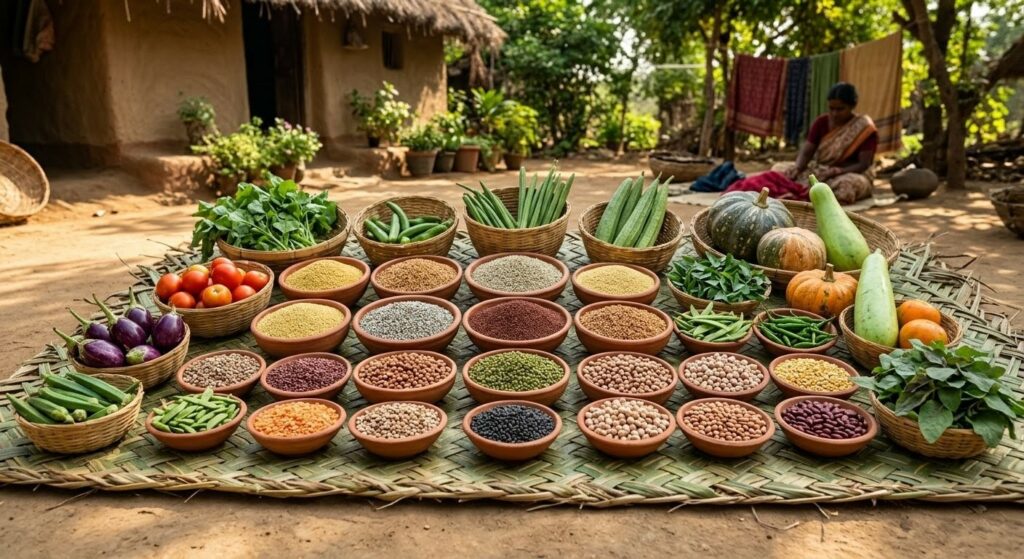
One of the most significant outcomes of indigenous seed conservation in Dumbriguda is its contribution to tribal livelihoods. The initiative has shown that preserving traditional agriculture can also create economic opportunities for farming communities.
Produce cultivated from indigenous seeds is transported to nearby districts, providing farmers with access to broader markets. This creates a steady source of income while encouraging the continued cultivation of traditional crops.
The initiative goes beyond saving seeds by supporting biodiversity, sustainable farming, and community development. By promoting locally adapted crops and encouraging farmer participation, it helps create a more resilient agricultural system that benefits both people and the environment.
Celebrating Indigenous Seeds Through Tradition
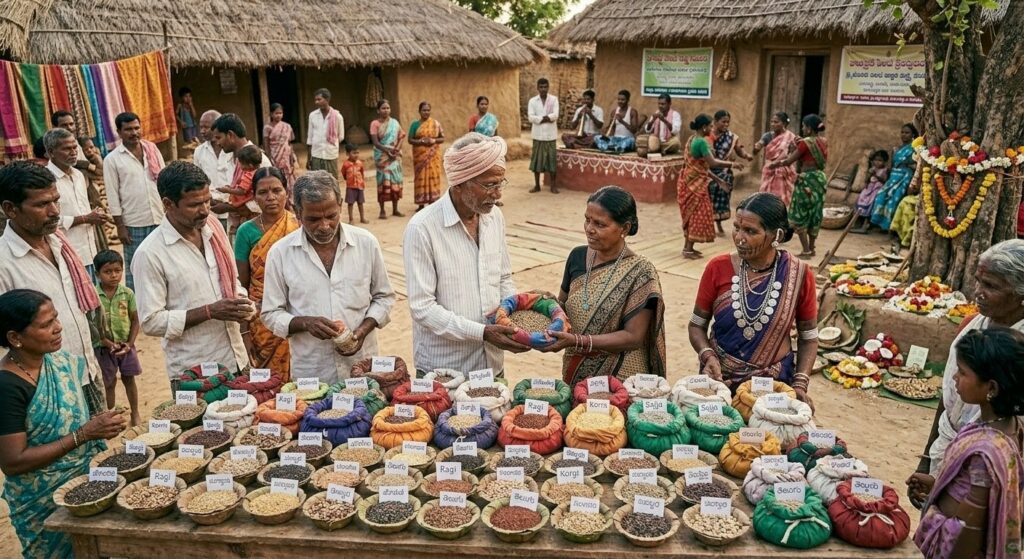
Every year, the spirit of indigenous seed conservation comes alive during the Old Seed Festival, locally known as Paatha Vithanala Pandaga, held in Killoguda village.
The festival brings together farmers from different regions who carry indigenous seeds in cloth bundles and leaf bowls. The gathering serves as a platform for exchanging seeds, sharing farming experiences, and celebrating traditional agricultural knowledge.
The event is also an opportunity to honour farmers who have dedicated years to preserving indigenous seed varieties. Their dedication has helped protect valuable crop diversity in the region and ensuring that future generations can continue to benefit from traditional crops.
More than a festival, it is a celebration of community, culture, and the enduring value of indigenous seed conservation.
Why Indigenous Seed Conservation Matters
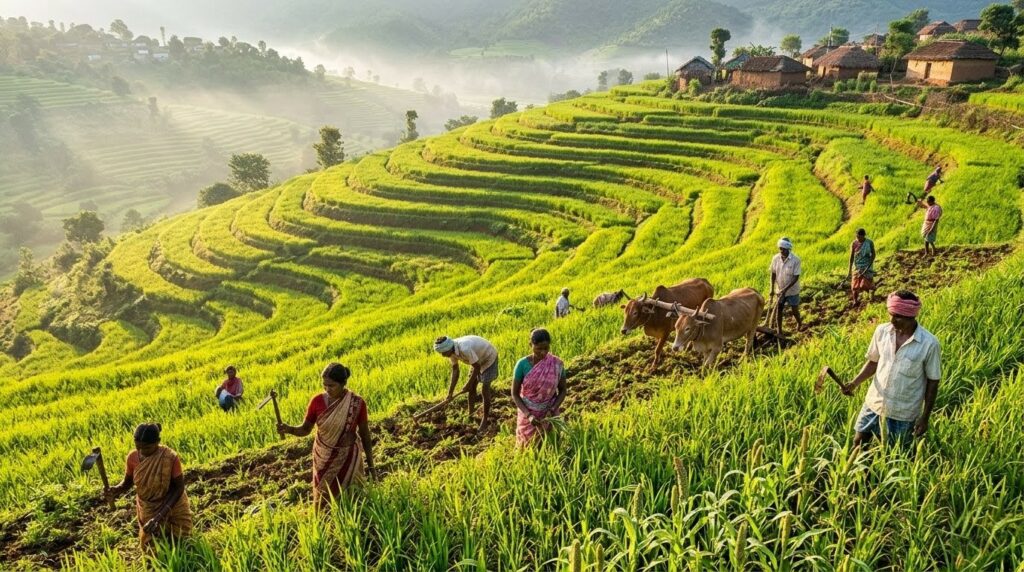
As agriculture faces growing environmental and economic challenges, indigenous seed conservation offers an important pathway towards sustainability. Traditional seed varieties help maintain biodiversity, preserve farming knowledge, and strengthen community resilience.
The work being carried out in Dumbriguda demonstrates that conservation is not simply about preserving the past. It is about creating a secure future for farmers, protecting ecosystems, and sustaining livelihoods.
The Sanjeevani Soil and Seed Information Centre stands as an example of how local communities can successfully safeguard their agricultural heritage. Through indigenous seed conservation, tribal farmers are preserving the seeds, knowledge, and traditions that have sustained them for generations.
Their efforts remind us that the future of sustainable agriculture depends not only on innovation but also on protecting the wisdom and resources that already exist within communities. By saving indigenous seeds today, communities are helping secure a stronger future for generations to come.
Also Read: Rural Livelihoods of Indigenous Communities in Odisha – A Comprehensive Overview

