


Every year, World Nature Conservation Day is observed on 28 July to draw attention to the protection of natural resources, biodiversity & ecosystems. In 2026, the conversation feels more urgent because conservation is no longer only about protecting forests or endangered animals. It is increasingly connected with the water we use, the food we grow, the air in our cities & our ability to adapt to a changing climate.
Across the world, conservation efforts are also evolving. Countries are working towards biodiversity targets for 2030, ecosystem restoration is receiving greater attention & technologies such as artificial intelligence are finding applications in wildlife monitoring.
This World Nature Conservation Day 2026, it is worth looking beyond familiar environmental messages and understanding what is changing in conservation today.
What Is World Nature Conservation Day?
World Nature Conservation Day is observed annually on 28 July to encourage the responsible use and protection of nature and natural resources.
Nature conservation includes forests, rivers, oceans, wetlands, grasslands, soil, wildlife & plant species. More importantly, it focuses on maintaining the relationships between them.
A forest, for example, is not simply a collection of trees. It provides habitat, protects soil, stores carbon, supports water cycles & sustains countless species. When these relationships are disturbed repeatedly, the entire ecosystem becomes weaker.
Why Nature Conservation Matters in 2026
Environmental problems rarely occur independently.
Loss of vegetation can affect soil. Poor soil conditions can influence agriculture. Habitat destruction threatens wildlife. Water scarcity puts further pressure on both ecosystems and communities.
This interconnectedness is why conservation in 2026 increasingly focuses on protecting entire ecosystems rather than treating individual environmental problems separately.
2026 Brings the 2030 Biodiversity Goals Closer
One major reason 2026 is important for conservation is that the world is moving closer to the biodiversity targets established for 2030.
Under the Kunming-Montreal Global Biodiversity Framework, countries agreed to work towards conserving 30% of terrestrial, inland water, coastal & marine areas by 2030. Restoring degraded ecosystems is another important part of the framework.
With only a few years remaining, the focus is increasingly shifting from setting environmental goals to showing measurable progress.
The Focus Is Shifting From Protection to Restoration
Traditional conservation largely concentrated on preventing further damage to natural areas.
Today, that is only half the task.
Many forests, wetlands, grasslands & other habitats have already been degraded. Modern conservation therefore asks two questions: What can we protect? And what can we restore?
Restoration may involve bringing native vegetation back to damaged landscapes, improving the natural flow of wetlands, reconnecting fragmented wildlife habitats or allowing ecosystems time to regenerate.
Nature often has an impressive ability to recover. The challenge is giving it enough space and support to do so.
Land Degradation: The Crisis We Rarely Notice
Some environmental problems are immediately visible. Land degradation often is not.
Healthy soil can gradually lose nutrients and organic matter. Vegetation can disappear. Water retention can decline. Eventually, land that once supported agriculture and biodiversity becomes less productive.
This makes soil conservation a major part of the environmental conversation.

Healthy Soil Is an Ecosystem Too
Soil may not receive the attention given to forests and wildlife, but it supports an enormous amount of life.
It stores water, provides nutrients to plants & contains microorganisms essential to healthy ecosystems. It also supports the agricultural systems that feed billions of people.
Conserving nature therefore begins beneath our feet as much as it does in forests.
Biodiversity Means More Than Saving Famous Animals
Mention wildlife conservation and most of us immediately picture tigers, elephants or rhinos.
But biodiversity includes everything from mammals and birds to plants, insects, fungi & microorganisms.
Many of these less visible species perform essential ecological functions. Pollinators help plants reproduce. Birds disperse seeds. Fungi and microorganisms recycle nutrients.
Think of biodiversity as a huge team. Some players attract more attention, but the system works because thousands of different species perform different roles.
Why Habitat Protection Matters
Saving an endangered animal without protecting its habitat creates another problem: where will that animal survive?
Species need suitable food, water, shelter, breeding grounds & space.
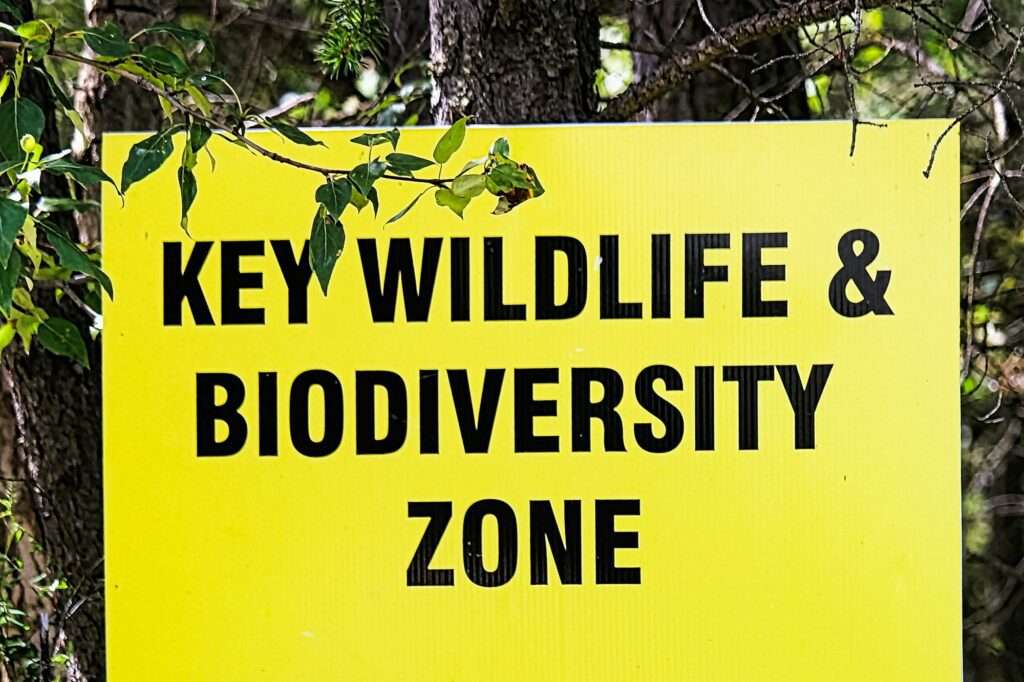
That is why modern conservation increasingly focuses on landscapes rather than isolated species. Protecting habitats can support hundreds or even thousands of organisms simultaneously.

Also Read: Importance of Environment to Human Life
Nature Conservation in India in 2026
India presents one of the world’s most complex conservation landscapes.
The country contains Himalayan ecosystems, forests, deserts, wetlands, grasslands, mangroves, rivers & extensive coastlines. At the same time, these natural systems exist alongside densely populated cities, agriculture, industries & expanding infrastructure.
Conservation in India therefore requires balancing ecological protection with the needs of communities and development.
Several recent developments show how conservation efforts are changing.
India’s Continuing Tiger Conservation Story
The tiger remains one of India’s most recognisable conservation symbols.
Tiger conservation, however, protects far more than the animal itself. Tigers require large habitats, prey populations, water sources & connected forest landscapes.
Protecting these landscapes can benefit many other species living within them.
India’s tiger conservation programmes increasingly combine scientific monitoring, habitat management, technology & community participation, showing how wildlife protection has developed beyond simply creating protected areas.
Great Indian Bustard Conservation Enters a Critical Stage
Another important conservation story in 2026 involves the Great Indian Bustard, one of India’s most threatened birds.
Conservation programmes in Rajasthan have been working on specialised breeding efforts for the critically endangered species. Recent developments have also focused on preparing captive-bred birds for eventual rewilding.
The Great Indian Bustard tells us something important about conservation: waiting until a species becomes extremely rare makes recovery much more complicated.
Breeding Alone Cannot Save a Species
Successfully breeding endangered animals is an achievement, but it solves only one part of the problem.
A species still requires a functioning natural habitat.
For the Great Indian Bustard, that means suitable grassland ecosystems and protection from major threats. Conservation therefore needs to work simultaneously on increasing populations and securing landscapes where those populations can survive.
Wetlands Are Becoming Harder to Ignore
Wetlands are sometimes mistaken for unused or empty land.
In reality, they can be among the busiest ecosystems around us.
Wetlands provide habitat for birds, fish, plants & other organisms. They store water and can help absorb excess rainfall. Many are also important stopping points for migratory birds.
Once a wetland disappears, replacing the environmental services it provided can be extremely difficult.
Technology Is Entering Wildlife Conservation
Another interesting shift is the growing use of technology in environmental monitoring.
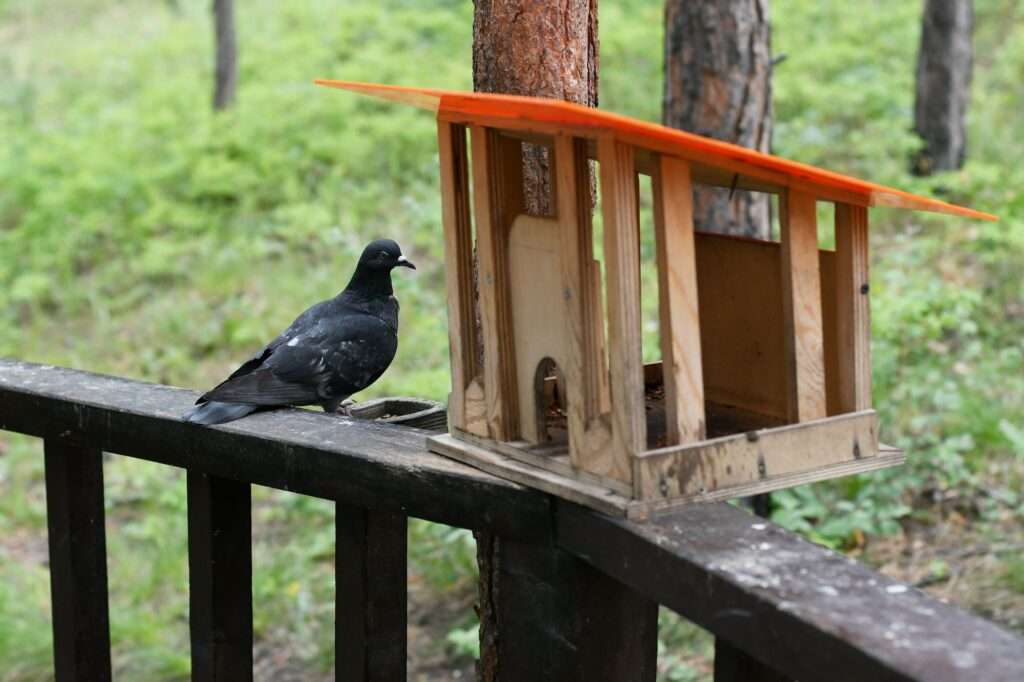
Camera traps already help researchers monitor elusive animals. Satellite images reveal changes in forests and landscapes. Acoustic technology can identify species through their sounds.
Now, artificial intelligence is becoming part of this conservation toolkit.
Can AI Help Protect Nature?
AI can help researchers process huge quantities of environmental data.
For example, instead of manually examining thousands of camera-trap images, AI-assisted tools can help identify species and detect patterns. Similar technology can support bird monitoring and habitat research.
However, technology cannot replace ecosystems.
AI might identify a bird, but it cannot replace the wetland that bird depends upon. Technology is most valuable when it helps people make better conservation decisions.
Why Mangrove Conservation Matters
Mangroves are a powerful example of nature working as infrastructure.
These coastal forests provide habitat for aquatic species, store carbon, reduce coastal erosion & offer protection from waves and storms.
Their importance is particularly clear in regions exposed to extreme weather and changing coastlines.
Protecting and restoring mangroves therefore supports biodiversity while also strengthening the resilience of coastal communities.
Nature Conservation Has to Include Our Cities
Conservation is not limited to wildlife sanctuaries and national parks.
Nature exists inside cities too.
Urban trees help reduce heat. Parks provide habitats for birds and insects. Ponds and wetlands support aquatic life and can help manage rainwater.
As cities grow, these natural spaces become increasingly valuable.
Is an Empty Urban Space Really Empty?
A patch of vegetation or a small pond may appear to be unused land waiting for construction.
Ecologically, it could already be doing several jobs.
It might support birds, absorb rainwater, provide habitat for insects or reduce local temperatures.
Urban planning therefore needs to ask not only what can be built on a piece of land, but also what ecological value could disappear when that land is changed.
Communities Are Essential to Conservation
People living closest to forests, rivers, wetlands and coastal ecosystems often understand those landscapes deeply.
They may also depend on them for livelihoods.
Successful conservation therefore cannot treat local communities as outsiders. Community participation can improve monitoring, encourage sustainable resource use & create stronger local support for environmental protection.
Nature conservation becomes more sustainable when people have practical reasons to protect the ecosystems around them.
What Can We Do on World Nature Conservation Day 2026?
Environmental problems can feel too large for individual action.
But conservation does not always begin with dramatic change. Often, it begins with everyday decisions repeated consistently.
Consume More Thoughtfully
Consider whether something can be repaired before replacing it. Reduce unnecessary packaging. Avoid wasting food. Choose reusable products where practical & think about how quickly the things you purchase will become waste.
One person’s choices may appear small, but consumer habits collectively influence what industries produce and how many resources are used.
Create Space for Native Biodiversity
Planting greenery is useful, but choosing appropriate plants matters.
Native plants are adapted to local environmental conditions and can provide food and shelter for local birds, insects & pollinators.
Even balconies, terraces, gardens and neighbourhood parks can become small biodiversity spaces when planned thoughtfully.
Understand the Nature Around You
Do you know which birds live in your neighbourhood? Where your city’s water comes from? Which native trees grow around you? Or whether there is a wetland nearby?
Conservation becomes easier to understand when we connect it with places we actually know.
World Nature Conservation Day can be an opportunity to learn about one local ecosystem and understand the pressures it faces.
World Nature Conservation Day 2026: Awareness Must Lead Somewhere
World Nature Conservation Day should not end with green posters, photographs of forests or environmental quotes on social media.
Awareness matters only when it changes how we see and use natural resources.
Recent conservation efforts show both sides of the story. Endangered species still require urgent intervention, habitats remain under pressure & damaged ecosystems need restoration. At the same time, technology is improving wildlife monitoring, restoration is becoming a global priority & conservation programmes are finding new ways to involve communities.
There is still room for optimism because ecosystems can recover when they receive meaningful protection.
Conclusion
World Nature Conservation Day 2026 reminds us that protecting nature is ultimately about protecting the systems that support human life.
Forests are more than trees. Wetlands are more than unused land. Biodiversity is more than famous wildlife. Healthy soil is more than dirt beneath our feet.
Every ecosystem performs work that we often notice only after it begins to disappear.
As we move closer to 2030 conservation goals, the question is no longer whether nature needs protection. We already know that.
The real question is how quickly awareness can become meaningful action.
Also Read: Beyond the Shell: Why Turtles Matter More Than We Think

