


Heat is one of the deadliest weather-related hazards in the world. As temperatures continue to rise worldwide, learning how to beat extreme heat has become essential for protecting public health, infrastructure, and the environment. A new gap in data availability and reliability, coupled with a pullback of federal programmes related to climate change, adds to the significant challenges planners already face when mitigating and managing extreme heat. Heat disproportionately affects historically underserved residents and those who face systemic inequities in workplace safety, housing quality, energy affordability, transportation reliability, and health-care access. But planning can shape heat risk.
As explained in PAS Report 600, Planning for Urban Heat Resilience, planners will be key practitioners in helping their communities achieve greater heat resiliency by proactively managing and mitigating heat across the many systems and sectors it affects. Tactics, which fall into two categories—heat mitigation and heat management—should be prioritized to maximize co-benefits, minimize trade-offs, and avoid maladaptive strategies that provide short-term relief but worsen the problem in the long run, like highly inefficient air conditioners that increase electricity demand and greenhouse gas emissions.
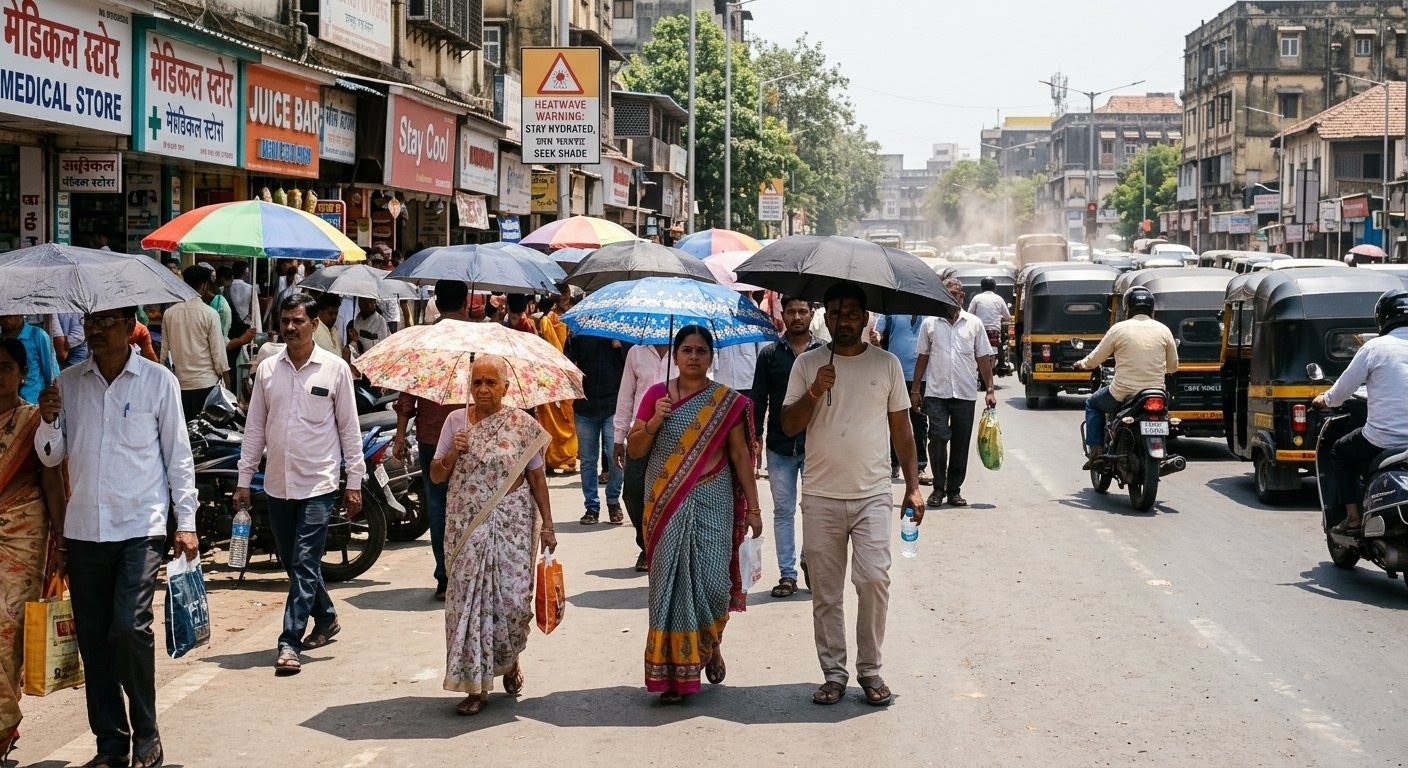
Table of Contents
Heat Mitigation Strategies To Beat Extreme Heat
To effectively beat extreme heat, communities must adopt long-term mitigation measures that reduce heat buildup in cities and neighbourhoods.
This can be accomplished through land-use planning, urban design, urban greening, and waste-heat reduction strategies that lessen the built environment’s contribution to urban heat. Because of their systemic nature, heat-mitigation strategies will likely need to be implemented across a variety of community plans. Hence, planners need to coordinate and integrate all plans and policies to advance the community’s vision and goals for heat resilience.
Large-Scale Land-Use Planning
Because the built environment affects local climates, broader efforts such as conserving natural areas, developing ventilation corridors, arranging urban geometry (e.g., the dimensions and spacing between buildings), and reducing heat-trapping surfaces associated with transportation systems can be very effective.
Small-Scale Design Opportunities
Site-level design interventions like orienting buildings and streets for shade, adding shade structures, and using cool pavements, walls, and roofs can impact microclimates and affect heat at a human scale. Having false roofs made of insulating materials can help in reducing the extreme heat of top floors or rooms exposed to the sunlight directly. Using of double glass windows can help to prevent the heating from outside hot air and its convection into the buildings that are designed with multiple glass windows in their structures. Using blinds and curtains to prevent bright light during the afternoon can also possibly lead to cooler interiors.

Increasing Vegetation and Green Spaces
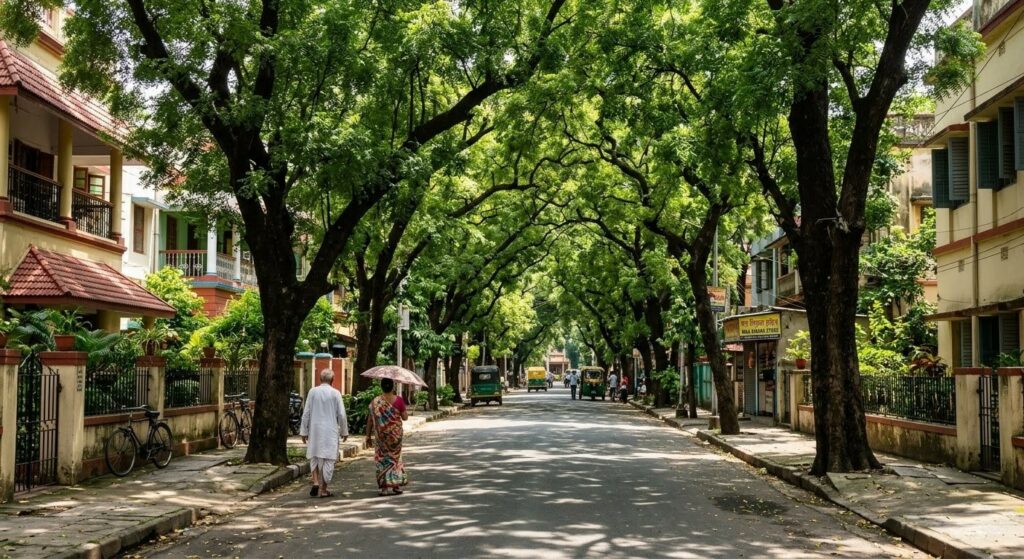
Greening tactics like urban forestry, afforestation drives/ campaigns in schools and villages, green stormwater infrastructure, and green roofs, parks, and greenways help cool surrounding areas through evapotranspiration and by providing shade. The possibility of installing vertical gardens on the walls of buildings should be explored. This would beat extreme heat and also add aesthetic value while providing shelter to small birds and animals from the heat. Making rooftop greening compulsory and involving the societies of apartment buildings to ensure its operation through community participation may be a good way to develop both social interactions as well as environmental awareness among the city dwellers.
Reducing Waste Heat
Increasing building energy efficiency through weatherization and the use of cool surfaces, as well as decreasing vehicle use by encouraging transit and active transportation modes, will decrease both waste heat and greenhouse gas emissions. Using insulating materials for building construction with bricks with air pockets can be promoted. Reducing individual exposure to dangerous levels of heat may require changes in public infrastructure. Wearing light coloured clothes help in reflecting the sunlight and keeping the body relatively cool during summer months. Greening the buildings, bus stops and other public spaces with plants and creepers on the terraces and side walls can bring down the temperature and provide a cooling effect during summer months.
Also Read: Environment Day 2026: Small Human Habits That Can Save Nature
Heat Management Strategies To Beat Extreme Heat
While mitigation helps lower temperatures over time, additional measures are needed to beat extreme heat during heatwaves and other extreme weather events.
Heat management is all about preparing and responding when an extreme-heat event takes place. These types of strategies will require effective coordination across levels of government and among various disciplines and sectors, such as public health, emergency management, and the energy sector.
Increasing Access to Indoor Cooling
Access to affordable cooling solutions is essential to beat extreme heat, especially for vulnerable populations. Energy-grid resilience is critical here because electricity used to support indoor cooling increases during extreme heat events, making “brownouts” and power outages especially dangerous. Traditional methods of cooling using Khus curtains can be tried out during the summer months. Coolers are also handy during the summer months, especially in dry areas without much humidity.
Reducing Exposure to Dangerous Heat
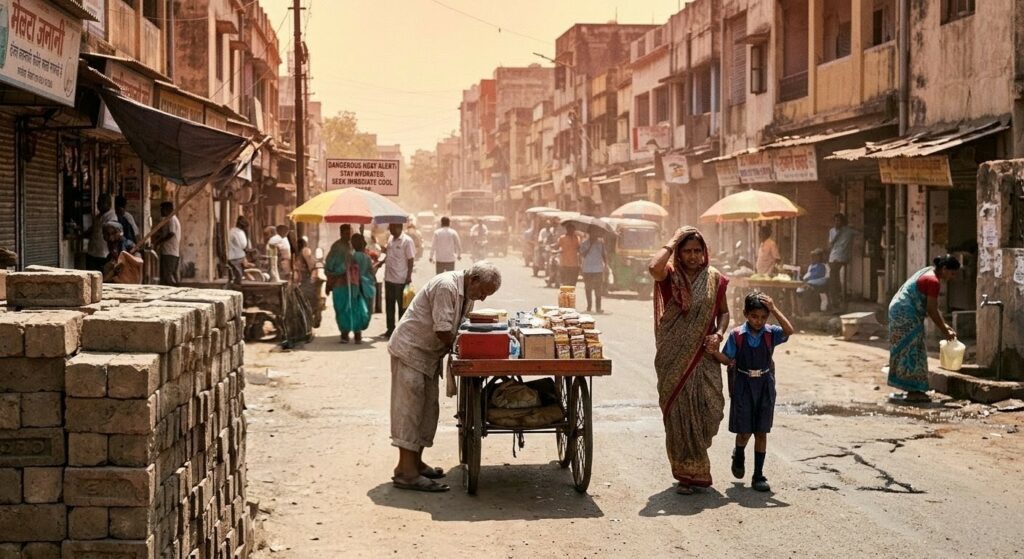
This may require changes in the operation of public infrastructure (e.g., transit stops and hiking trails) and facilities (e.g., playgrounds), as well as in regulations for indoor and outdoor worker safety. Online education systems and work from home possibilities (atleast for a few days in a week), should be examined in institutions and private companies under extreme weather situations. People should go outside only when required and follow the heat advisories issued by the State and National Government (carrying water bottles during transit, avoiding going out during peak heat periods from 11 am to 4 pm etc). Otherwise people, mostly the elderly and children should be confined to the house.
Building Public Awareness
As heat risks increase, it is important to work with public-health professionals to educate and inform the public about the dangers of heat and how to avoid them. Utilization of public transport systems and car pooling when possible could help to reduce the number of private vehicles and less emission of smoke and Green House Gases (GHGs) into the environment.
Creating a Heat Action Plan
Communities’ emergency management systems must be prepared for unprecedented extreme-heat events, including early-warning systems, plans for coordinated responses, and designated cooling centers and resilience hubs where people can go for shelter and assistance.
Rainwater Harvesting Systems
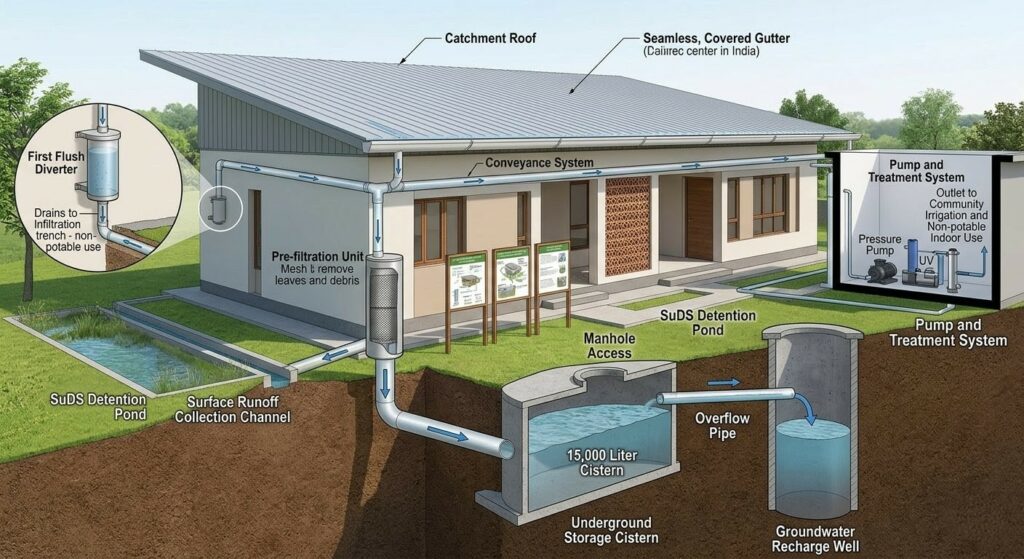
Installation of rain water harvesting systems to collect the sporadic rain water during pre-monsoon showers and its utilization for cooling the buildings by sprinkler systems maybe be explored
Dietary Changes for Summer
Having traditional food and drinks like Baelo Pona, Chhach, Jal Jeera, Buttermilk (Chola), green coconut, fruit juice, lemon water, that are designed for summer months can help keep individuals cool and reduce the dependence on artificial cooling systems by letting those to function at a less work load. Having simple meals like boiled veggies and fruits, Dalma-Bhato, Sontula and bhaja, without much spices can be good dietary options during summer months.

Extreme heat is no longer an occasional weather event but a growing challenge that affects public health, infrastructure, the environment, and daily life. As temperatures continue to rise, communities must adopt a combination of heat mitigation and heat management strategies to reduce risks and improve resilience. From increasing urban greenery and promoting energy-efficient buildings to strengthening public awareness and expanding access to cooling facilities, every measure plays a vital role in protecting vulnerable populations. By combining sustainable planning, community participation, and proactive government action, cities and towns can better prepare for extreme heat and create safer, healthier environments for future generations.
Successfully learning to beat extreme heat will require coordinated efforts from governments, communities, and individuals alike.
Also Read: How Lighting Can Create The Right Environment At Your Home

