


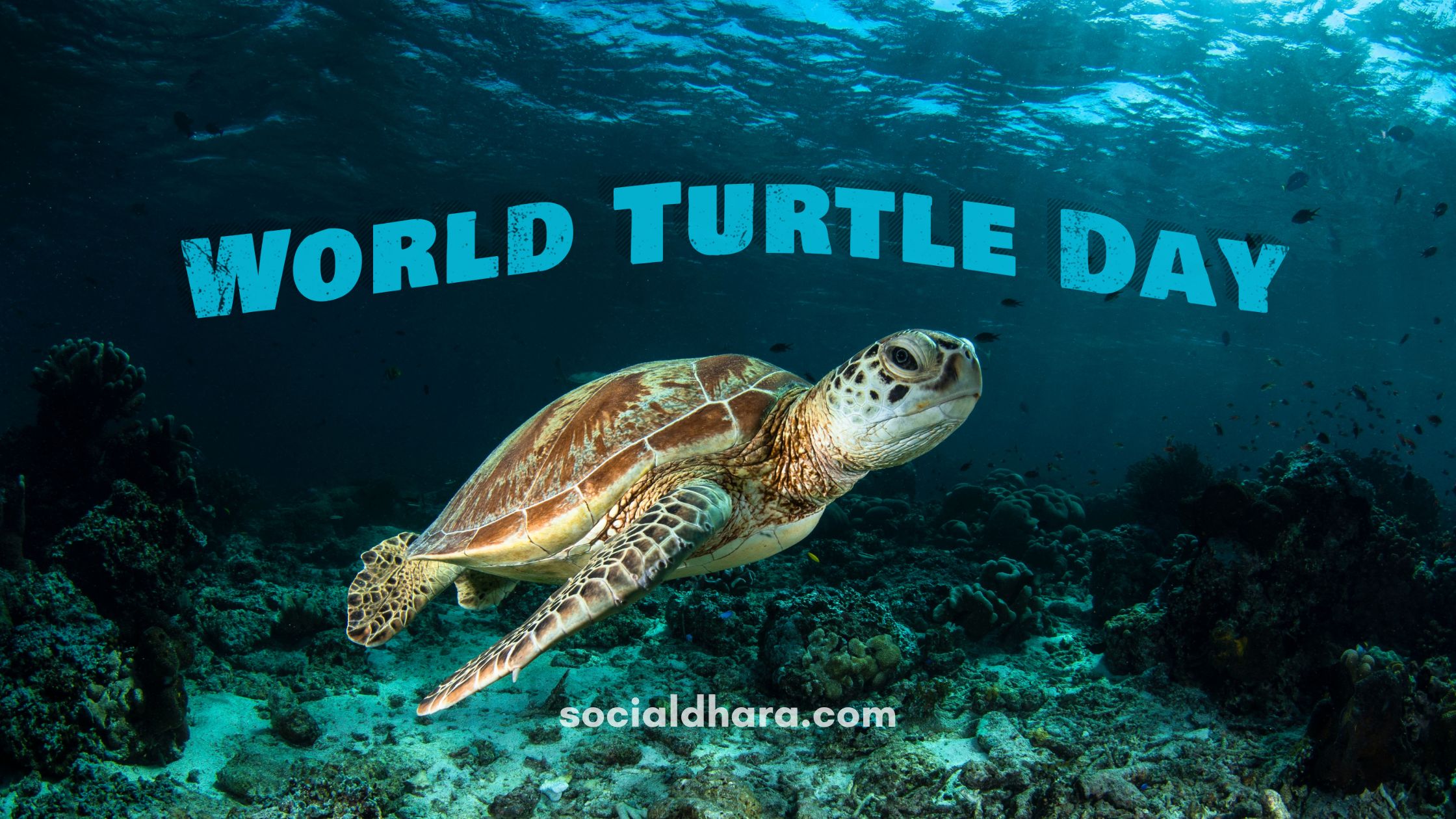
We often assume turtles are just small, slow, and cute animals. Many of us simply pass by them, thinking of them as peaceful creatures quietly existing in nature. But turtles are far more than just adorable animals with hard shells. Their role in the environment goes far beyond what most people imagine.
On World Turtle Day, it is important to understand that turtles are not only a part of wildlife — they are an important part of the planet’s ecosystem. These ancient creatures have existed on Earth for more than 200 million years, surviving even the age of dinosaurs. Yet today, despite their resilience, turtles are facing serious threats because of human activities.
Also Read: Quails [Endangered Species]: A Source of Livelihood for Rural India
More Than Just a Cute Animal
In today’s world, animals are often reduced to aesthetics. If an animal looks cute or visually appealing, people admire it on social media and move on. Turtles are often seen the same way — calm, harmless creatures slowly moving through ponds, beaches, or oceans. But their existence is much more meaningful than that.
Turtles quietly help nature survive. They support marine life, maintain balance in water ecosystems, and contribute to biodiversity in ways most people never notice. What seems like a small animal simply existing is actually a species carrying an important environmental responsibility.
World Turtle Day was started by the American Tortoise Rescue in the year 2000. The initiative was created to spread awareness about the protection and conservation of turtles and tortoises across the world. Since then, World Turtle Day has been observed every year on May 23 to encourage people to protect turtle habitats, reduce pollution, and understand the importance of these ancient creatures in maintaining environmental balance.
Why Turtles Matter to Nature
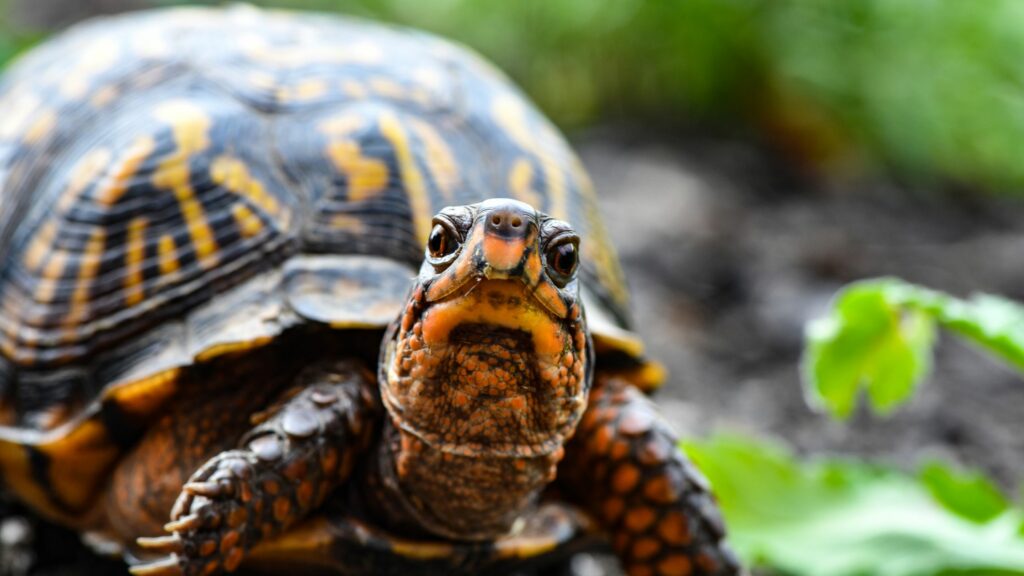
Turtles play an important role in maintaining healthy ecosystems. Sea turtles help protect ocean life by feeding on seagrass and jellyfish. Healthy seagrass beds support fish populations, improve water quality, and help store carbon from the atmosphere. Freshwater turtles help clean rivers and lakes by feeding on dead organisms and waste materials. In forests and grasslands, tortoises help spread seeds, which supports plant growth and natural regeneration.
Without turtles, many ecosystems would slowly lose balance. Their contribution may not always be visible, but it is extremely important.
The Ancient Survivors of Earth
Turtles are one of the oldest living reptiles on the planet. They have existed for more than 200 million years, surviving major environmental changes and even the extinction of dinosaurs. That alone shows how adaptable and important they are in nature. But despite surviving for millions of years, turtles are now struggling because of modern environmental problems created by humans.
Plastic pollution, climate change, habitat destruction, and illegal wildlife trade are becoming major threats to turtle populations across the world.
The Biggest Threats Turtles Face Today
One of the biggest dangers for turtles is plastic pollution. Sea turtles often mistake plastic bags for jellyfish and accidentally consume them. This can seriously harm or even kill them.
Another major issue is habitat destruction. Beaches where turtles lay eggs are being affected by tourism, construction, artificial lighting, and pollution. Rivers and wetlands are also shrinking due to urban development. Climate change is creating additional challenges. Rising temperatures affect turtle nesting patterns and can even influence the gender of baby turtles before they hatch.
Illegal wildlife trade is another serious concern. In many places, turtles are captured for pets, decorative items, or illegal selling markets.
What World Turtle Day Really Reminds Us
World Turtle Day is not just about celebrating turtles. It is a reminder that every species in nature has a purpose. Not every important creature looks powerful or dangerous. Some animals contribute silently, and turtles are one of the best examples of that. They may move slowly, but their role in maintaining environmental balance is massive. The day also encourages people to become more responsible toward nature. Small actions like reducing plastic use, keeping beaches and rivers clean, and spreading awareness can make a real difference.
What Humans Can Learn From Turtles
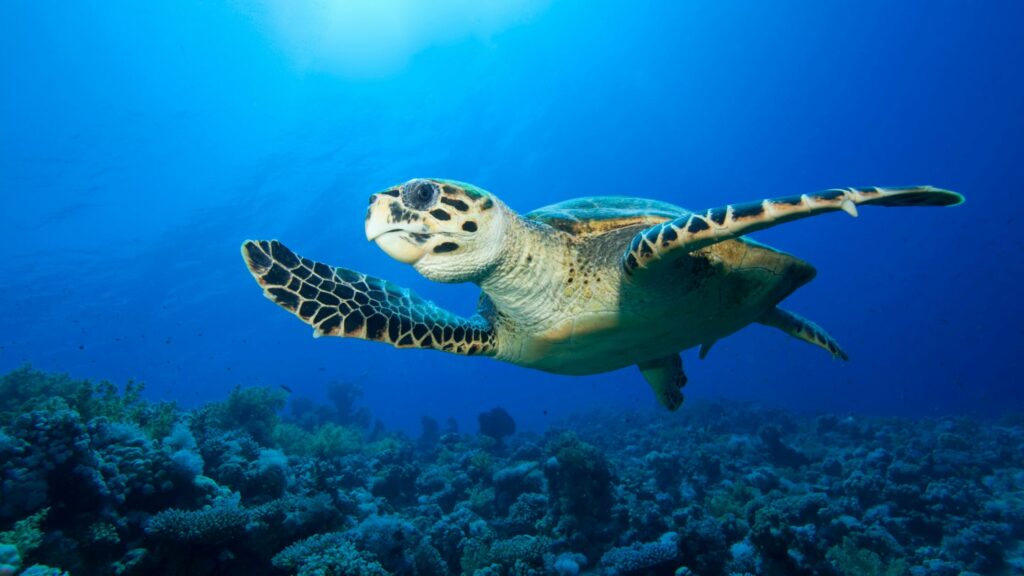
In today’s fast-moving world, turtles symbolize patience, resilience, and balance. They survive quietly without disturbing nature around them. Their existence reminds us that nature does not work with speed alone. Sometimes, the quietest and slowest creatures are the ones carrying the greatest importance behind the scenes.
In many ways, turtles also remind humans about coexistence. They have lived on Earth for millions of years without harming the balance of nature, while human activities in just a few decades have created pollution, habitat destruction, and climate challenges affecting countless species. Their slow and peaceful existence carries an important message — progress should not come at the cost of nature. As awareness around World Turtle Day continues to grow, it also encourages people to think more deeply about sustainability, wildlife protection, and the kind of environment future generations will inherit.
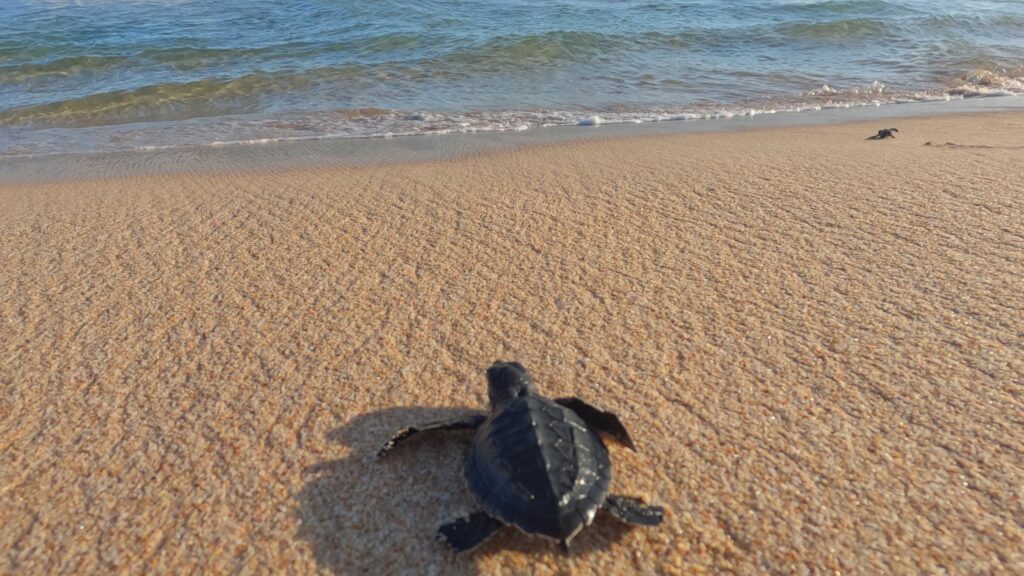
Protecting turtles is not only about saving one species. It is about protecting oceans, rivers, forests, biodiversity, and the future of the environment itself. As we celebrate World Turtle Day, it becomes important to look beyond the shell and truly understand why turtles matter more than we think.
Also read: Seed Balls: Ensuring Afforestation on Degraded Lands and Forests

