


Every year on June 15, people around the world celebrate Nature Photography Day—a day dedicated to appreciating the beauty of the natural world through the lens of a camera. While it may seem like a simple celebration for photography enthusiasts, the day carries a much deeper message. It reminds us to slow down, observe our surroundings, and reconnect with nature in a world that is becoming increasingly digital.
From majestic mountains and flowing rivers to birds resting on tree branches and flowers blooming after rain, nature offers endless moments worth capturing. Nature photography allows us to preserve these moments, share them with others, and develop a deeper appreciation for the environment around us. Today, as screens dominate much of our daily lives, Nature Photography Day is more relevant than ever.
What Is Photography?
Photography is the art and practice of capturing images using a camera. Since its invention, photography has become one of the most powerful forms of visual communication. It helps us document history, preserve memories, tell stories, express emotions, and share experiences across cultures and generations.
A photograph can communicate ideas instantly. It can make people feel inspired, informed, curious, or even motivated to take action. This ability to tell stories through images is what makes photography such an influential medium. Today, photography is more accessible than ever before. With smartphones equipped with advanced cameras, anyone can become a photographer. What matters most is not the equipment but the ability to observe and appreciate the world around us.
What Is Nature Photography?
Nature photography is a genre of photography that focuses on the natural world. It includes landscapes, wildlife, forests, rivers, mountains, plants, flowers, insects, birds, and other elements of nature. Unlike many other forms of photography, nature photography often requires patience and observation. A photographer may wait for the perfect sunrise, ideal weather conditions, or the right moment when a bird spreads its wings. This process encourages people to slow down and pay attention to details that often go unnoticed in everyday life.
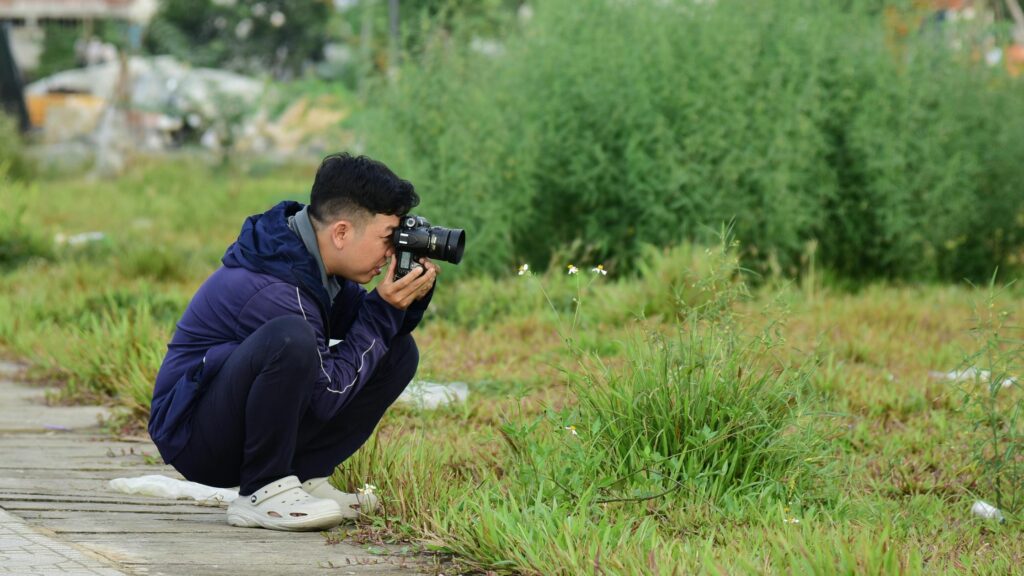
One of the most beautiful aspects of nature photography is that it can be practiced almost anywhere. You do not need to travel to distant national parks or exotic destinations. A neighborhood garden, a village pond, a city park, or even a tree outside your home can become the subject of a meaningful photograph.
The Pioneers Who Shaped Photography and Nature Photography
The world of photography owes much to early innovators who transformed a scientific experiment into an art form. One of the earliest pioneers was Joseph Nicéphore Niépce, who is credited with creating the first permanent photograph in the 1820s. His work laid the foundation for modern photography.

When it comes to nature photography, few names are as influential as Ansel Adams. His iconic photographs of mountains, forests, and national parks helped people appreciate the beauty of natural landscapes while also promoting environmental conservation. Another renowned photographer, Frans Lanting, has used photography to bring audiences closer to wildlife and ecosystems around the world. His work demonstrates how photography can inspire awareness and encourage conservation efforts. These pioneers showed that photography is not just about taking pictures—it is about documenting the world, telling stories, and inspiring positive change.
Why Do We Celebrate Nature Photography Day?
Nature Photography Day encourages people to step outside, observe nature, and capture its beauty through photographs. More importantly, it highlights the role photography can play in environmental awareness and conservation. Many people first learn about endangered species, disappearing habitats, climate change, and environmental challenges through powerful photographs. A single image can often communicate the urgency of an issue more effectively than pages of text. By celebrating Nature Photography Day, we acknowledge the importance of both nature and photography in helping us better understand and protect the world around us.
Also Read: A Human Mind Was Never Meant to Stay in One Box
Why Nature Photography Matters More Than Ever Today
The modern world is more connected than ever before. Smartphones, social media platforms, streaming services, and digital devices have become a major part of everyday life. Whether we view this shift positively or negatively, one reality remains clear: people, especially children and young adults, spend a significant amount of time consuming digital content.

Many conversations focus on reducing screen time, and while that is important, it is also important to discuss something equally practical: the quality of the content people consume. If digital spaces are where people spend their time, then those spaces should also contain content that inspires learning, curiosity, creativity, and awareness. This is where nature photography becomes incredibly valuable.
Bringing Nature Into Digital Spaces
Nature photography has the power to bring the natural world into digital environments. A photograph of a butterfly resting on a flower, a river reflecting the evening sky, or a bird in flight can instantly capture attention. Such images encourage viewers to pause, appreciate beauty, and become curious about the world beyond their screens.
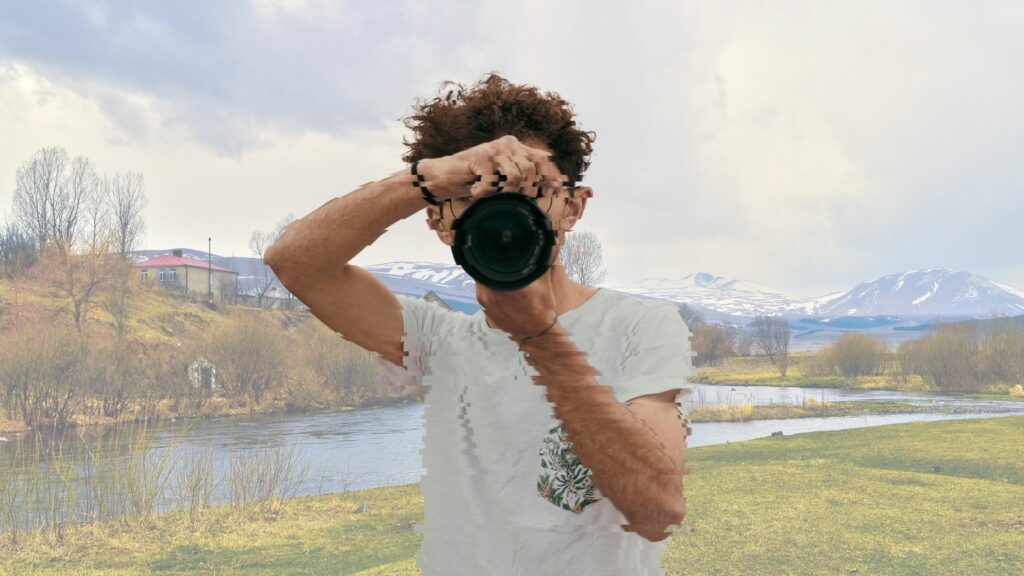
For many young people, nature photography may provide their first exposure to certain landscapes, wildlife species, or ecosystems. A single image can spark questions and inspire exploration.
Where was this photograph taken?
What species is this?
How does this ecosystem function?
Why is this habitat important?
These questions often become the starting point for learning and environmental awareness. Rather than seeing technology and nature as opposites, nature photography demonstrates how digital platforms can be used to build stronger connections with the natural world.
Encouraging Observation in a Fast-Paced World
One of the greatest benefits of nature photography is that it teaches people to observe. Modern life encourages speed. People scroll quickly through content, multitask constantly, and move from one activity to another without pause. Nature photography encourages the opposite. To photograph a flower, a bird, or a landscape effectively, one must pay attention to light, color, texture, movement, and detail. It requires patience and focus. This process develops observation skills, creativity, and mindfulness. It teaches people to notice the extraordinary details hidden within ordinary surroundings. For children and young adults, these skills can be especially valuable in a world filled with distractions.
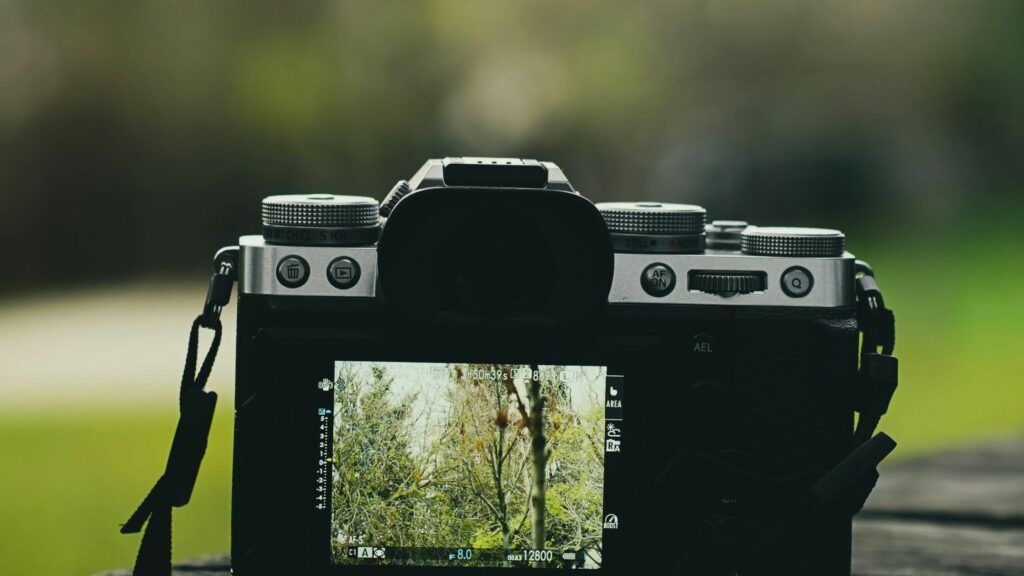
Nature Photography and Environmental Awareness
People are more likely to care about something when they feel connected to it. Nature photography helps create that connection. Photographs allow people to witness the beauty of forests, rivers, mountains, and wildlife they may never encounter in person. They also help highlight environmental challenges such as pollution, habitat destruction, biodiversity loss, and climate change.
Throughout history, powerful nature photographs have influenced public opinion, inspired conservation movements, and encouraged action to protect ecosystems. In this way, nature photography becomes much more than a creative hobby. It becomes a tool for education, advocacy, and environmental stewardship.
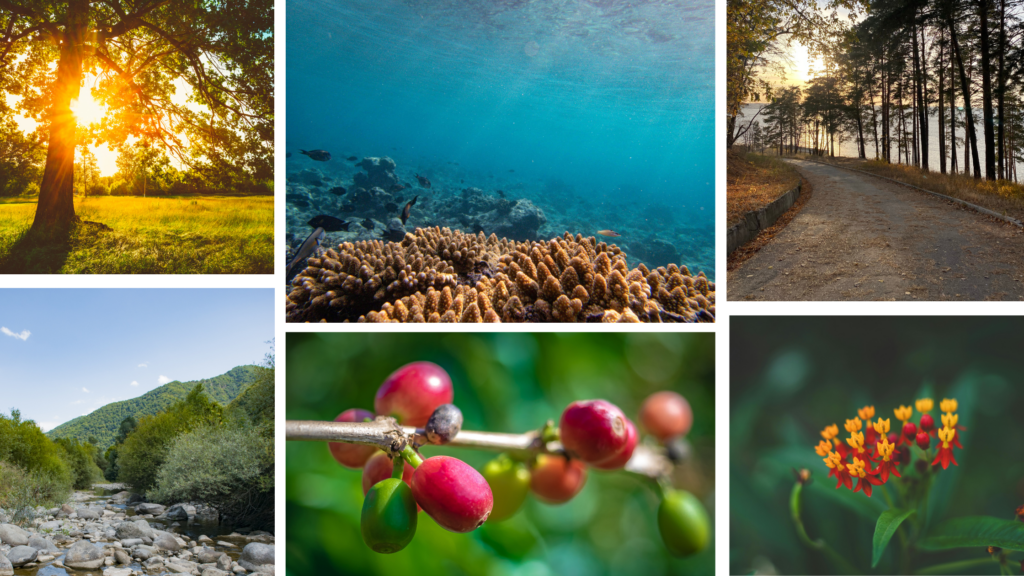
Why Nature Photography Is Important for the Next Generation
The next generation will inherit many of the environmental challenges facing our planet. Helping young people develop a connection with nature is therefore more important than ever. Nature photography offers an accessible and engaging way to build that connection.Children already use cameras through smartphones and tablets. Encouraging them to photograph birds, trees, flowers, clouds, and local green spaces can transform these devices into tools for observation and learning.
When young people begin looking closely at nature, they often become more curious about it. Curiosity leads to understanding, and understanding often leads to appreciation and responsibility.
Nature photography helps bridge the gap between technology and nature, allowing both to coexist in meaningful ways.
How You Can Celebrate Nature Photography Day
Celebrating Nature Photography Day does not require expensive equipment or professional skills. Anyone can participate.
You can:
- Take a walk and photograph something in nature that catches your attention.
- Share nature photographs on social media to inspire others.
- Visit a local park, riverfront, garden, or natural area.
- Encourage children to photograph wildlife and plants in their surroundings.
- Learn about local ecosystems and biodiversity.
- Support photographers and conservation organizations working to protect nature.
The goal is not to capture the perfect photograph. The goal is to notice and appreciate the natural world around us.
Nature Photography Day is much more than a celebration of beautiful images. It is a reminder of the importance of observation, creativity, environmental awareness, and our connection with nature.
In today’s digital age, nature photography offers a meaningful way to bring the natural world into the spaces where people spend much of their time. While we may not always be able to separate ourselves completely from screens, we can choose to fill those screens with content that educates, inspires, and encourages a deeper appreciation for the environment. Every photograph of a tree, bird, river, flower, or sunset tells a story. It reminds us that nature is not something distant—it is all around us, waiting to be noticed. And perhaps that is the true message of Nature Photography Day: to look a little closer, appreciate a little more, and recognize the beauty that surrounds us every day.
Also Read: Must Learn Skills in Life for Everyone

