


Buying a new budget phone always comes with the same quiet dilemma. You want something that works well for calls, apps, photos and everyday browsing, but you also don’t want to overspend on features you may never use. If you have narrowed your budget down to somewhere between ₹15,000 and ₹20,000, you are already asking the right question. Is that extra ₹5,000 actually worth it, or can a phone under ₹15,000 do everything you need just as well?
Phones under ₹15,000 in 2026 are more than capable of handling everyday requirements like messaging, social media and video streaming. Step into the ₹15,000 to ₹20,000 range, though, and you start seeing meaningful upgrades in RAM, storage, 5G connectivity and overall performance. To help you decide where your money is best spent, this guide compares six popular models across both price brackets and breaks down exactly what changes as you spend more.
Table of Contents
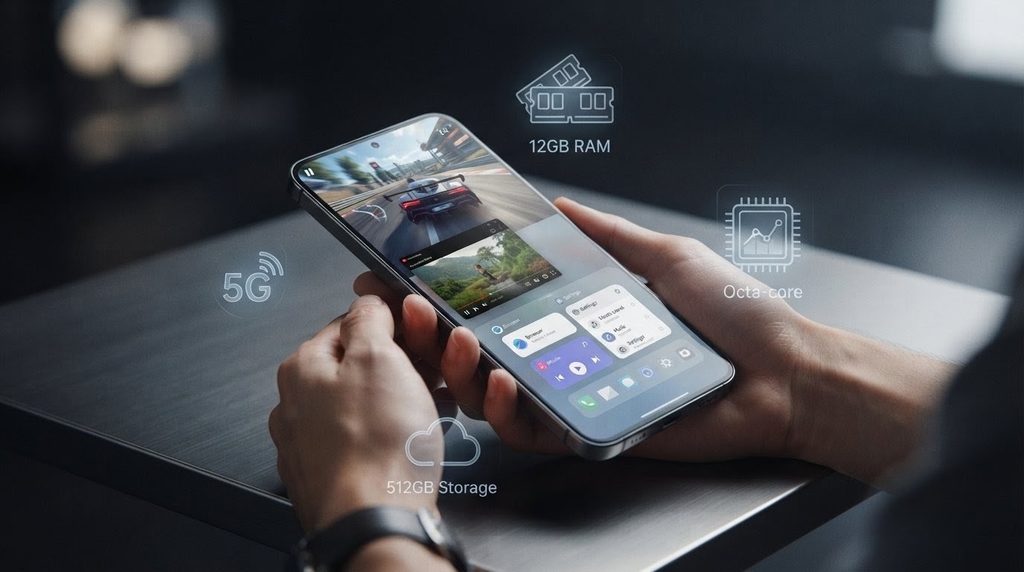
Mobile Phones Under ₹15,000. What Can You Expect?
This price range works well for buyers who want a reliable phone without stretching their budget. In general, phones under 15000 in India can comfortably handle the tasks most people use their phones for every day.
That usually includes the following:
- Calls and messaging
- Social media apps like Instagram and WhatsApp
- Web browsing
- Video streaming on platforms like YouTube or Netflix
- Basic photography for everyday moments
- Common everyday apps such as maps, banking and food delivery
If your usage falls mostly into these categories, a budget smartphone in 2026 priced under ₹15,000 should serve you well. Here are three models worth shortlisting in this bracket:
Samsung Galaxy M14
The Samsung Galaxy M14 is priced at ₹9,269 and comes with 4GB RAM and 64GB storage. It is available on Easy EMI starting from ₹830 per month, making it accessible even for buyers watching their monthly outgoings closely.
This phone is best suited for buyers who want a dependable, no-fuss device for calling, messaging and light browsing. The key reason to consider it is simple. It covers the basics reliably at one of the lowest price points in this comparison, which makes it a strong pick for anyone prioritising affordability above all else.
LAVA Blaze 2 5G
The LAVA Blaze 2 5G stands out in this bracket for one clear reason, its 5G connectivity. Priced at ₹12,499 with 6GB RAM and 128GB storage, it offers noticeably more headroom than many phones at this price point.
If you want a taste of 5G speeds without moving into the higher budget bracket, this is one of the few phones under 15000 that gives you that option. The extra RAM and storage also mean smoother multitasking and more room for apps, photos and videos compared to entry level alternatives.
Redmi A2+
The Redmi A2+ is positioned as a solid everyday use option, with 4GB RAM and 128GB storage priced at ₹12,499. While it does not offer 5G, the generous storage capacity is a genuine advantage for buyers who take a lot of photos or install several apps without wanting to worry about running out of space.
It is a sensible choice for someone who wants dependable daily performance and enough storage to avoid constant cleanup, all while staying comfortably under the ₹15,000 mark.
Here is how these three phones compare side by side:
| Model | RAM and Storage | Price | Easy EMI From | Best For |
| Samsung Galaxy M14 | 4GB + 64GB | ₹9,269 | ₹830/month | Budget buyers |
| LAVA Blaze 2 5G | 6GB + 128GB | ₹12,499 | ₹958/month | Buyers wanting 5G |
| Redmi A2+ | 4GB + 128GB | ₹12,499 | ₹917/month | Everyday use |
Please note that prices and EMI amounts are indicative and may vary depending on the retailer, ongoing offers and applicable terms and conditions at the time of purchase.
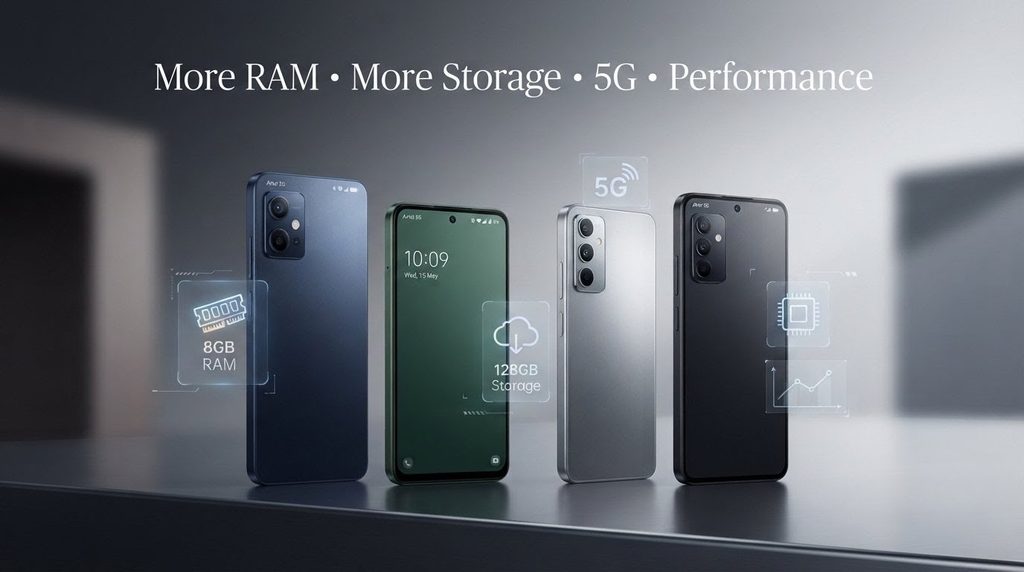
What Do You Get by Spending Up to ₹20,000?
Moving closer to ₹20,000 can give you access to higher RAM and storage configurations, 5G connectivity and stronger overall performance. This price bracket is where things start to feel noticeably faster and more future ready, and it is where several of the best phones under 20000 currently sit. Let us look at three models that make a strong case for spending a bit more:
Redmi Note 13 5G
The Redmi Note 13 5G is priced at ₹17,499 and comes loaded with 12GB RAM and 256GB storage. That kind of memory and storage combination is genuinely useful if you tend to keep dozens of apps open at once or store a large library of photos, videos and downloaded content. Heavy multitaskers will feel the difference here almost immediately compared to phones in the lower bracket.
iQOO Z9x 5G
Priced at ₹18,999 with 8GB RAM and 128GB storage, the iQOO Z9x 5G is built with performance focused users in mind. It is a good fit if you play games regularly, run demanding apps, or simply prefer a phone that stays responsive under pressure. The 5G support also means you are set up for faster networks as coverage continues to expand.
motorola G32
The motorola G32 rounds out this bracket as a reliable everyday use option, priced at ₹18,999 with 8GB RAM and 128GB storage. It is a good match for buyers who want the extra performance and storage headroom of this price range without necessarily needing the most gaming focused specifications.
Here is the comparison table for phones in this bracket:
| Model | RAM and Storage | Price | Easy EMI From | Best For |
| Redmi Note 13 5G | 12GB + 256GB | ₹17,499 | ₹1,458/month | Heavy multitasking |
| iQOO Z9x 5G | 8GB + 128GB | ₹18,999 | ₹1,583/month | Performance focused users |
| motorola G32 | 8GB + 128GB | ₹18,999 | ₹1,583/month | Everyday users |
As with the earlier table, prices and EMI figures listed here are indicative and can change based on the retailer, offers running at the time and eligibility criteria.
Also read: Healthy Digital Habits: How to Stay Connected Without Feeling Overwhelmed
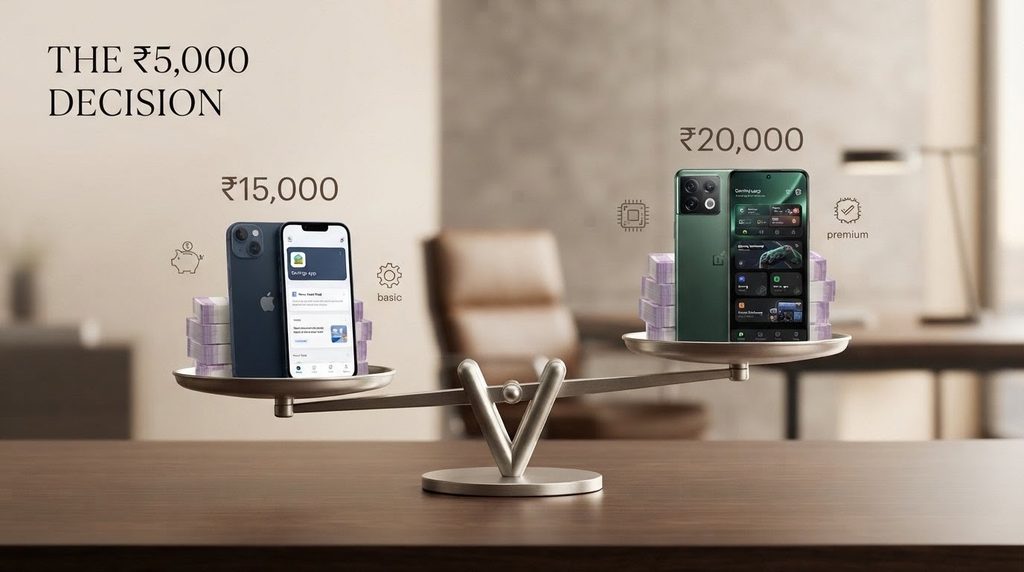
₹15,000 vs ₹20,000. What Does the Extra ₹5,000 Get You?
This is really the question most buyers want answered, so let us break it down piece by piece.
More RAM
Additional RAM makes a real difference when you regularly switch between multiple apps, such as jumping from a video call to a browser tab and back to a messaging app. Phones with higher RAM in the ₹20,000 bracket tend to handle this kind of multitasking with far less lag.
More Storage
Storage fills up faster than most people expect once photos, videos, games and apps start piling up. Phones with 128GB or 256GB storage give you considerably more breathing room, which matters if you rarely delete old files or enjoy recording videos regularly.
5G Connectivity
5G phones under 20000 tend to offer broader options compared to the lower bracket. If you live in an area with growing 5G coverage or simply want your phone to stay relevant for the next few years, this is a meaningful factor to weigh in.
Better Performance
Buyers who game, edit content or run demanding applications will typically notice better performance from phones with high RAM and stronger processors, both of which are more common as you move closer to ₹20,000.
Better Long Term Value
If you plan to keep your phone for several years rather than upgrading annually, spending slightly more now can make sense. A phone with more RAM, storage and 5G support is simply better equipped to stay useful for longer.
Who Should Buy a Phone Under ₹15,000?
This range makes the most sense if you fall into the following category:
- You have a strict budget and want to stick to it
- You mainly use your phone for calls, messaging and social media
- You browse the internet and stream content but do not need cutting edge speed
- You are not looking for high end gaming performance
- You do not require a large amount of storage
- You would rather keep your monthly EMI as low as possible
If most of these apply to you, there is genuinely no need to stretch your budget further. Smartphones below ₹15,000 in India cover these needs comfortably, and you do not have to spend ₹20,000 simply because you can. In fact, choosing a well specced phone under 15000 often makes more financial sense than paying for features you will rarely use.
Who Should Spend Closer to ₹20,000?
On the other hand, this bracket is worth considering if you recognise yourself in the points below:
- You multitask frequently across several apps
- You need more storage for photos, videos or downloads
- You want access to 5G connectivity
- You play games on your phone regularly
- You use demanding applications for work or editing
- You plan to keep your phone for several years
- You simply want more performance from your device
If several of these describe your habits, the extra ₹5,000 is likely to feel worthwhile rather than wasted.
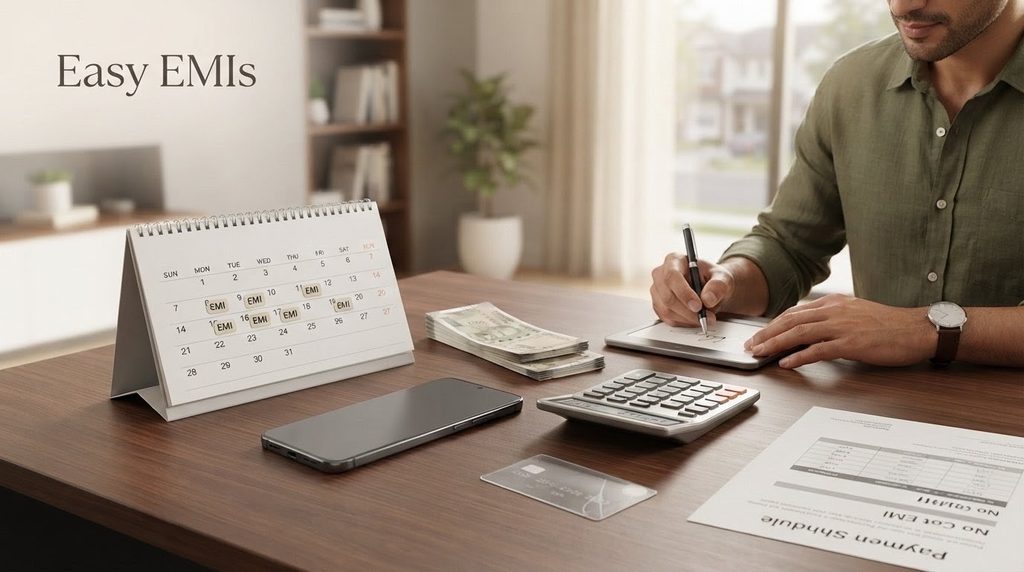
Can You Buy a ₹20,000 Phone Without Paying the Full Amount Upfront?
You do not necessarily need to pay the entire amount in one go. With an Easy EMI Loan, eligible purchases can be divided into manageable monthly instalments instead of one lump sum payment.
A few points worth knowing about this option:
- Loan offer amount available up to ₹5 lakh
- Tenures ranging from 3 to 60 months, depending on eligibility
- Zero down payment on select models, subject to eligibility criteria
It is worth being clear eyed about what EMI actually offers. It does not automatically make a phone cheaper, but it does spread the cost across several months, which can make a higher priced phone more manageable within a monthly budget.
How Can You Save More When Buying a Mobile Phone?
Beyond choosing the right price bracket, there are usually additional ways to bring the final cost down. Tools like the Smart Savings Calculator can help you estimate potential savings before you finalise a purchase. A few common categories of offers to look out for include the following:
Dealer Offers
Certain retailers run their own promotional pricing or bundled deals, which can vary from store to store.
Brand Offers
Manufacturers occasionally run brand specific discounts or cashback offers tied to particular models.
Bajaj Finance Offers
Financing related offers can sometimes bring down the effective cost of a purchase when paired with an EMI plan.
Scheme Offers
Certain schemes tied to specific products or time periods may offer additional benefits.
Since these benefits can vary depending on the store, brand, product, scheme and time of purchase, it is worth checking what is currently available before you commit to a model.
How to Buy a Mobile Phone on Easy EMIs
If you have decided to go ahead with an EMI purchase, the process is fairly straightforward.
- Browse mobile phones on Bajaj Mall to compare available options.
- Compare prices and specifications across different models.
- Visit a Bajaj Finance partner store near you.
- Check the phone in person before making a decision.
- Select the model that best fits your needs and budget.
- Choose the financing option that applies based on your eligibility.
- Select a tenure between 3 and 60 months that suits your budget.
- Check whether you are eligible for zero down payment.
- Complete the purchase once everything is confirmed.
Before heading to the store, you can also check your pre-approved limit online using just your mobile number and an OTP, which can save you time during the actual purchase.
₹15,000 or ₹20,000. Which Smartphone Budget Is Right for You?
There is no single correct answer here, only the answer that fits your actual usage. Choose a phone under ₹15,000 if affordability and everyday use matter most to you. Choose something closer to ₹20,000 if you want more RAM, more storage, 5G connectivity or noticeably stronger performance.
Looking back at all six phones covered in this guide, from the budget friendly Samsung Galaxy M14 to the multitasking focused Redmi Note 13 5G, the right choice was never about spending the most money. It comes down to picking the phone whose features genuinely match how you use your device day to day.

Frequently Asked Questions
Is ₹15,000 enough for a good smartphone in 2026?
Yes. Phones under 15000 in this range can comfortably handle calls, messaging, social media, browsing and video streaming, making them a practical choice for everyday users.
Is it worth spending ₹20,000 on a smartphone?
It depends on your usage. If you multitask often, need more storage, want 5G or play games regularly, the extra spend is generally worthwhile. If your needs are basic, it may not be necessary.
Which is better, a phone under ₹15,000 or ₹20,000?
Neither option is universally better. A phone under 15000 suits light to moderate users well, while a phone closer to 20000 suits those who need more power, storage or 5G support.
Do phones under ₹15,000 have 5G?
Some do. The LAVA Blaze 2 5G featured in this guide is one example of a 5G capable phone available under ₹15,000, though options in this bracket remain more limited than in the higher price range.
How much RAM do I need for everyday smartphone use?
For basic tasks like calls, messaging and browsing, 4GB RAM is usually sufficient. If you multitask frequently or run several apps at once, 6GB or higher will offer a noticeably smoother experience.
Is 128GB storage enough for a smartphone?
For most users, 128GB storage is comfortable enough to store apps, photos and videos without frequent cleanup. Those with extensive media libraries may prefer 256GB or higher.
Can I buy a smartphone on Easy EMIs?
Yes. Eligible purchases can be paid for through an Easy EMI Loan, with tenures ranging from 3 to 60 months depending on your eligibility.
Can I get zero down payment on a smartphone?
Zero down payment is available on select models, subject to eligibility criteria, so it is worth checking availability for your chosen phone before purchase.
Also Read: Communication Skills in 2026: Why They Matter & How to Improve Them

