


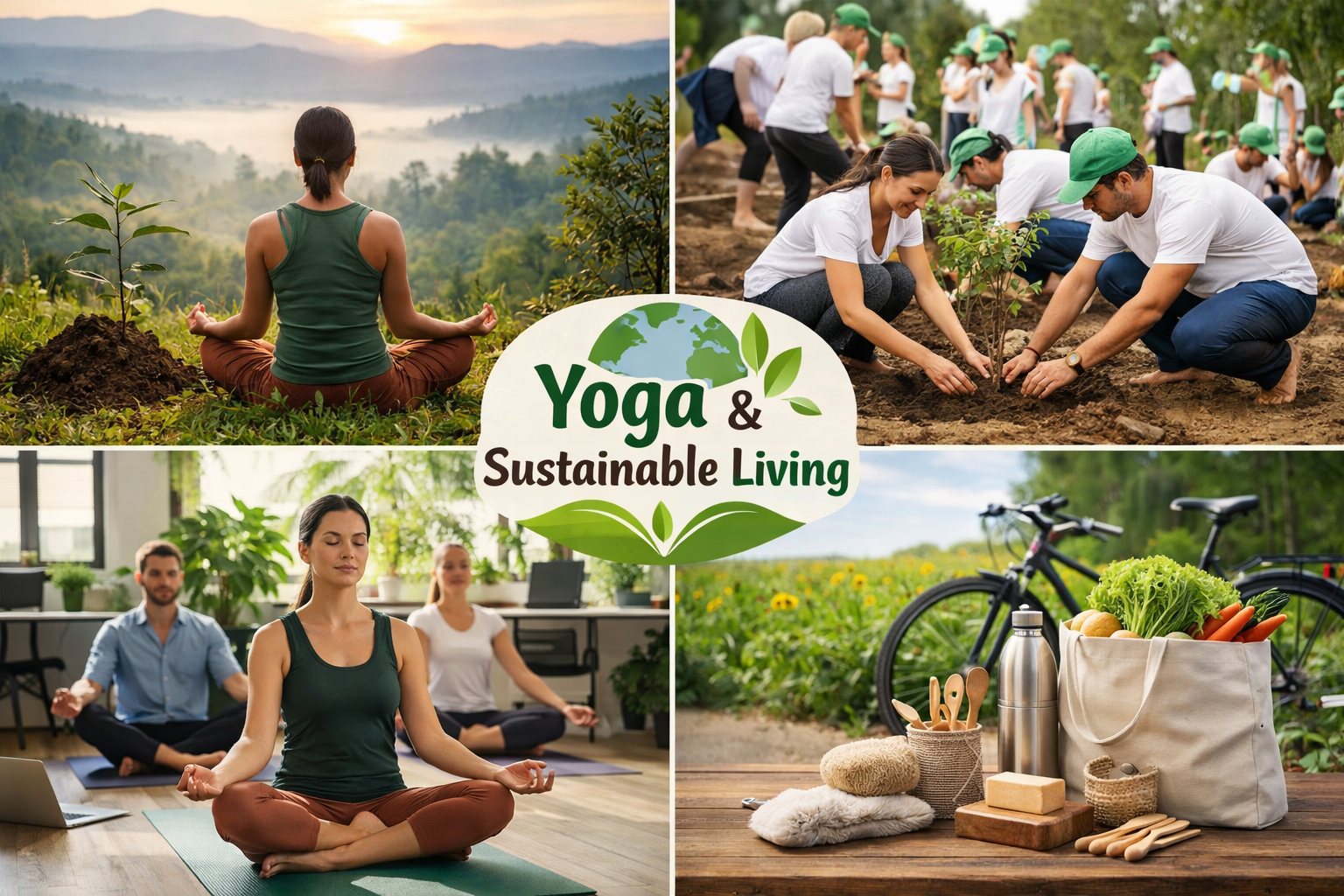
Yoga, derived from the Sanskrit word Yuj meaning “to unite,” is more than physical exercise. it is a holistic philosophy that integrates body, mind, and spirit. Since its recognition by the United Nations in 2014, International Yoga Day has become a global wellness movement, celebrated annually on June 21, coinciding with the summer solstice. Yoga is not only a practice for physical and mental well-being but also a philosophy of life that emphasizes unity between humans and nature. In today’s era of climate change and ecological imbalance, yoga offers a framework for sustainable living by encouraging moderation, mindfulness, and respect for the environment.
Theme of 2026: Yoga for Healthy Ageing
Focus: Encourages practices that support flexibility, balance, strength, and mental clarity in later years.
Global Relevance: With rising life expectancy and ageing populations worldwide, yoga offers a cost-effective, accessible tool for preventive healthcare.
Scientific Validation: Research publications on yoga and ageing rose from 183 in 2014 to 1,207 in 2025, showing growing global recognition of its benefits.

Benefits of Yoga for Healthy Ageing
Physical Health: Yoga strengthens the body through gentle, low-impact movements that improve flexibility, balance, and coordination. Regular practice of asanas like Tadasana, Vrikshasana, and Bhujangasana enhances muscle tone and bone density, reducing the risk of falls and fractures common concerns among older adults. It also improves joint mobility, alleviates stiffness, and supports cardiovascular health. Unlike strenuous workouts, yoga adapts to individual capacity, making it ideal for seniors seeking safe physical activity.
Mental Well-being: Ageing often brings emotional challenges such as stress, anxiety, or memory decline. Yoga’s meditative and breathing practices like Pranayama and Mindfulness Meditation calm the nervous system and enhance cognitive function. Deep breathing increases oxygen flow to the brain, improving focus and memory retention. Meditation fosters emotional resilience, helping seniors manage loneliness or fear of ageing with greater acceptance and peace. Over time, these practices cultivate mental clarity and a positive outlook on life.

Preventive Care: Yoga acts as a natural preventive therapy for lifestyle-related disorders. Regular practice helps regulate blood pressure, stabilize blood sugar levels, and improve digestion and reducing the risk of hypertension, diabetes, and arthritis. Gentle stretching and relaxation techniques enhance circulation and detoxification, supporting organ health. Many studies show that yoga reduces inflammation and boosts immunity, making it a holistic approach to disease prevention and healthy ageing.
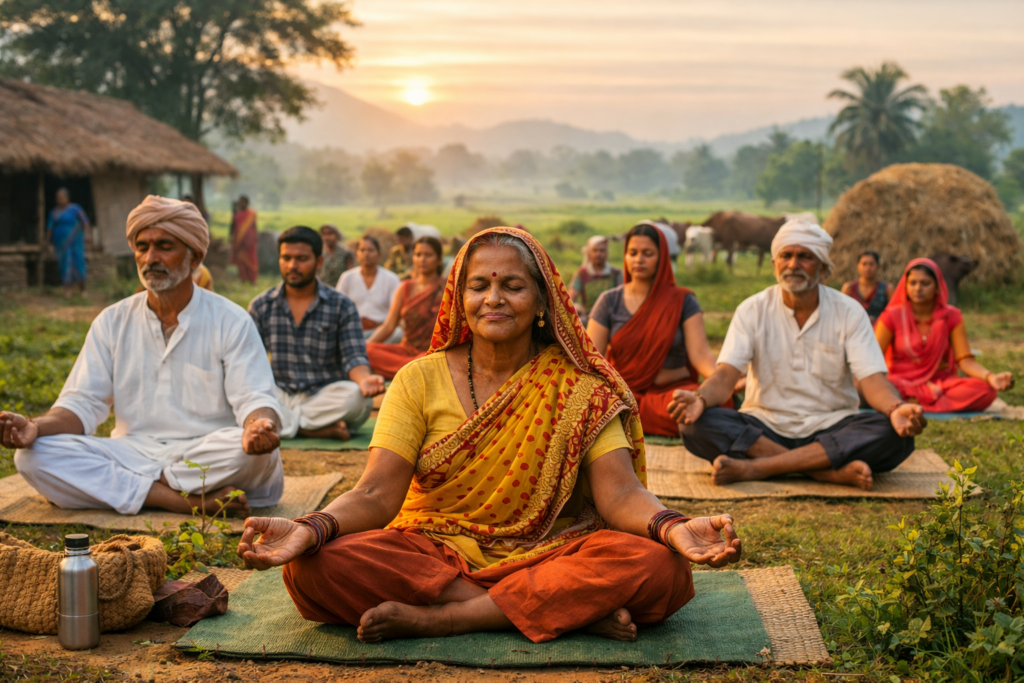
Social Engagement: Group yoga sessions create a sense of belonging and community among seniors. Practicing together fosters social interaction, emotional support, and shared motivation. This engagement combats isolation and loneliness, which are major factors affecting mental health in older adults. Community yoga programs often include discussions, laughter therapy, and group meditation, promoting joy and connection. Through these interactions, yoga becomes not just a physical exercise but a social experience that enriches life in later years.

Cultural Context and Global Context
Yoga originated in India over 5,000 years ago as a spiritual discipline.
The first International Yoga Day was celebrated in 2015, following India’s proposal at the UN.
In 2026, the main celebration will be held in Kolkata, with mass participation events across India, including record-setting attempts in Odisha and Andhra Pradesh. The United Nations recognizes yoga as a tool for achieving Sustainable Development Goals (SDGs), particularly those related to health, well-being, and environmental protection.
Events like International Yoga Day increasingly integrate ecological themes, reinforcing yoga’s role in global sustainability movements.
Also read: Effective Strategies for Promoting Sustainable Agriculture

Practical Applications of Yoga for Sustainable Living
Gentle Asanas : Tad asana (Mountain Pose): This foundational standing posture improves posture, balance, and awareness. By standing tall with feet together, arms at the sides, and spine elongated, practitioners strengthen the thighs, knees, and ankles while enhancing focus. It’s often used as a starting point for other poses, teaching stability and grounding.
Vrikshasana (Tree Pose): A balancing pose where one foot is placed on the opposite thigh, hands joined above the head. It improves concentration, strengthens the legs, and enhances neuromuscular coordination. Symbolically, it connects the practitioner to nature, encouraging rootedness and resilience.
Bhujangasana (Cobra Pose): Performed by lying on the stomach and lifting the chest while keeping the pelvis grounded, this pose strengthens the spine, opens the chest, and improves flexibility. It stimulates abdominal organs, reduces fatigue, and helps relieve stress, making it excellent for emotional balance.
Also read :5 Yoga poses that can be done by everyone.
Breathing Practices: Pranayama refers to controlled breathing techniques that regulate energy flow. Practices like Anulomvilom (alternate nostril breathing) and KapalaBhati (skull-shining breath) improve lung capacity, oxygen intake, and circulation. They also calm the nervous system, reduce anxiety, and enhance mental clarity. By focusing on breath, practitioners cultivate mindfulness and inner peace.
Eco-therapy: Yoga enhances mindfulness, which naturally deepens our connection to the environment. Studies in eco-psychology show that people who practice yoga regularly report stronger feelings of gratitude toward nature. This heightened awareness motivates eco-friendly behaviors such as reducing plastic use, conserving water, and supporting green initiatives. For example, outdoor yoga sessions often encourage participants to appreciate fresh air, sunlight, and natural surroundings, reinforcing the idea that protecting the environment is part of protecting oneself.
Community Initiatives: Yoga is not just an individual practice; it thrives in collective settings. Programs like Harit Yoga in India combine yoga sessions with tree plantation drives, symbolizing harmony between personal wellness and planetary health. Such initiatives transform yoga into a social movement — where participants not only improve their physical and mental well-being but also contribute to ecological restoration. Community yoga events can also include workshops on sustainable living, recycling, and organic farming, making yoga a gateway to broader environmental awareness.
Corporate Wellness: Modern workplaces face challenges like stress, burnout, and unsustainable consumption patterns. Integrating yoga into corporate wellness programs helps employees manage stress while encouraging ethical stewardship. Mindfulness practices foster clarity, which translates into eco-conscious decision-making — such as reducing paper waste, adopting energy-efficient practices, or supporting green supply chains. Companies that embrace yoga often find it aligns with their sustainability goals, creating a culture where employee well-being and environmental responsibility go hand in hand.
- Daily Lifestyle: Yoga encourages moderation and mindful living, which naturally supports sustainability.
- Mindful Eating: Yogic principles promote vegetarianism or plant-based diets, reducing reliance on processed foods and lowering carbon footprints.
- Minimalism: Yoga discourages overconsumption, helping individuals live with fewer but more meaningful possessions.
- Eco-friendly Commuting: Practitioners often adopt walking, cycling, or public transport as part of a balanced lifestyle, reducing pollution.
- Routine Integration: A daily yoga practice instills discipline, making it easier to adopt sustainable habits like composting, recycling, or conserving energy.
Conclusion
Yoga and sustainable living are not parallel paths but intertwined journeys that reinforce each other. At its core, yoga teaches balance, moderation, and respect — values that naturally extend to how we interact with the environment. When individuals practice yoga, they cultivate mindfulness, which translates into conscious choices about consumption, energy use, and lifestyle habits. This inner transformation becomes the foundation for outer change, where personal well-being aligns with ecological responsibility. Ultimately, yoga reminds us that the health of the Earth and the health of humanity are inseparable. By embracing yoga as both a personal discipline and a social philosophy, we can move toward a future where sustainable living is not an obligation but a natural expression of harmony. In this way, yoga becomes a bridge between inner peace and planetary sustainability, ensuring that our pursuit of wellness contributes to the well-being of generations to come. Tad asana (Mountain Pose) : This foundational standing posture improves posture, balance, and awareness. By standing tall with feet together, arms at the sides, and spine elongated, practitioners strengthen the thighs, knees, and ankles while enhancing focus. It’s often used as a starting point for other poses, teaching stability and grounding.

Also read : Wild Food Plants (WFPs) – A Key Component To Ensure Food And Nutritional Security
Comparison Between Yoga and Gym: Which is Better?
Yoga poses that can be done by everyone
Unlocking the Health Secrets of Amla: The Superfruit Revolution

