


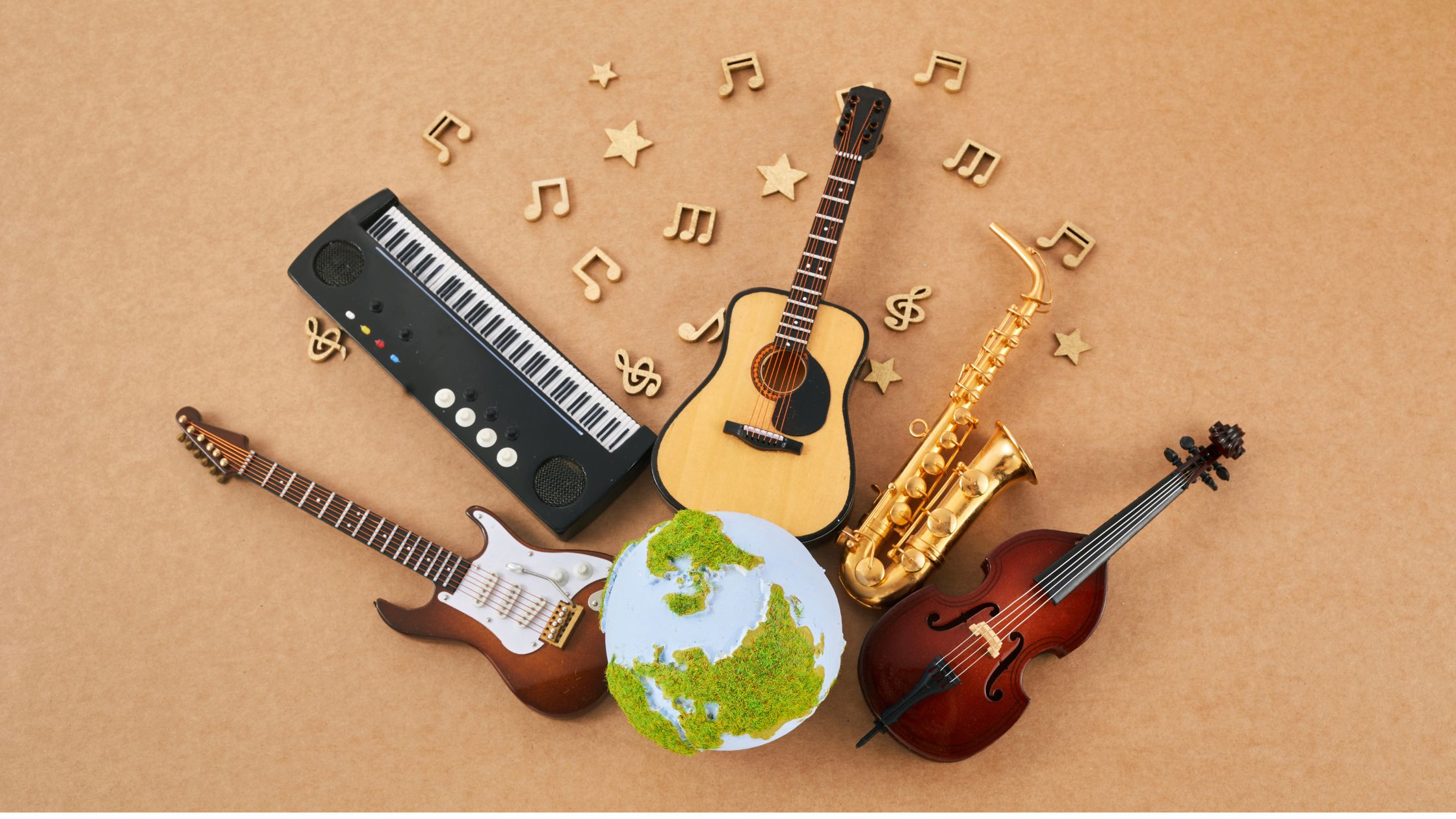
Have you ever noticed how a song can instantly change your mood? Whether it’s a soothing melody after a stressful day or an energetic beat that gets you dancing, music has a unique power to connect people across cultures, languages, and generations. This incredible influence is celebrated every year on World Music Day, a global event dedicated to the joy and importance of music.
Observed annually on June 21, World Music Day encourages people from all walks of life to create, share, and enjoy music. It is a day when streets become stages, parks transform into concert venues, and music lovers come together to celebrate the art that speaks directly to the soul.
What is World Music Day?
World Music Day, also known as Fête de la Musique, is an international celebration of music that invites both professional musicians and amateurs to perform freely in public spaces. The goal is simple yet powerful: make music accessible to everyone.
Unlike traditional music festivals that often require tickets and exclusive access, World Music Day promotes inclusivity. Anyone can participate, whether they are a trained musician, a beginner learning guitar, or simply someone who enjoys listening to music.
Origin of the Celebration
The concept of World Music Day was born in France. It was designed as a movement to encourage musical expression among ordinary people and to bring music into everyday life.
The slogan associated with the event is often interpreted as “Make Music,” emphasizing participation rather than passive consumption.
Why June 21 is Chosen
June 21 marks the summer solstice in the Northern Hemisphere, the longest day of the year. The extended daylight hours provide an ideal opportunity for outdoor performances and community celebrations.
The symbolic choice of this date reflects the spirit of openness, creativity, and cultural exchange that defines World Music Day.
History of World Music Day
The history of World Music Day is as fascinating as the music itself.
The French Connection
World Music Day was officially launched in France in 1982 under the guidance of the French Ministry of Culture. The initiative encouraged musicians to perform in public spaces free of charge, making music a shared public experience. The first event received overwhelming support and quickly became a cultural phenomenon.
Growth into a Global Event
What started in France soon spread beyond its borders. Today, World Music Day is celebrated in more than 100 countries and hundreds of cities worldwide. From Europe and Asia to Africa and the Americas, people participate through concerts, workshops, music competitions, and cultural festivals. The event has evolved into a global celebration that showcases the diversity of musical traditions around the world.
Importance of Music in Human Life
Music is more than entertainment. It is a powerful force that shapes emotions, strengthens relationships, and preserves cultural heritage.

Also read: Indian Handicrafts: Exploring the Rich Heritage of Madhubani, Pattachitra, and Warli Art
Emotional Benefits of Music
Have you ever listened to a song that perfectly captured your feelings? Music has an extraordinary ability to express emotions that words sometimes cannot.
Research suggests that music can:
- Reduce stress and anxiety
- Improve mood
- Enhance concentration
- Promote relaxation
- Boost motivation
Music acts like a trusted friend, accompanying us through life’s highs and lows.
Social and Cultural Impact
Music plays a significant role in bringing communities together. Festivals, weddings, religious ceremonies, and national celebrations often revolve around music.
It serves as a cultural archive, preserving traditions, stories, and values for future generations. Through music, people can learn about different cultures and develop a greater appreciation for diversity.
How World Music Day is Celebrated Around the World
One of the most exciting aspects of World Music Day is the variety of ways it is celebrated.
Street Performances
On World Music Day, streets come alive with music. Musicians set up in public squares, sidewalks, and parks, creating an atmosphere of joy and spontaneity. Passersby often stop to listen, dance, or even join in.
Community Concerts
Many cities organize free concerts featuring local artists, school bands, choirs, and professional performers. These events strengthen community bonds while giving emerging artists a platform to showcase their talent.
Online Music Festivals
Technology has expanded the reach of World Music Day. Virtual concerts and livestream performances allow people from different countries to participate without leaving their homes. This digital transformation has made music more accessible than ever before.
Traditional and Modern Music Together
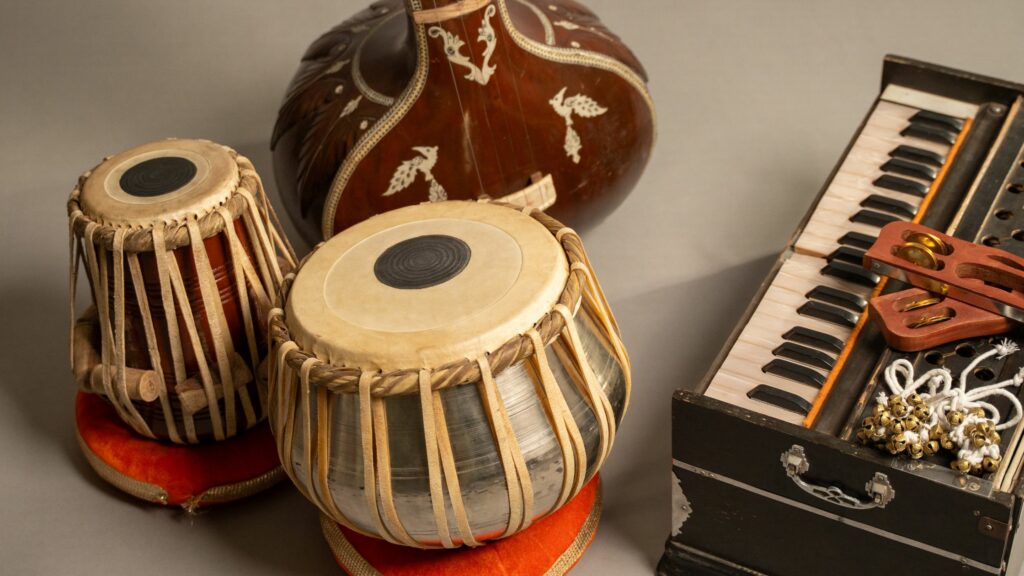
India celebrates the day through performances that blend classical, folk, and contemporary music styles. Audiences may enjoy everything from Hindustani and Carnatic music to Bollywood songs, indie bands, and fusion performances. This blend reflects India’s incredible cultural diversity.
Educational and Cultural Events
Schools, colleges, and cultural organizations often organize workshops, talent shows, and music appreciation sessions. These activities inspire young people to explore music not only as entertainment but also as an art form and career path.
Benefits of Participating in World Music Day
Participating in World Music Day offers benefits for everyone involved.
For Musicians
Musicians gain opportunities to:
- Reach new audiences
- Build confidence
- Network with fellow artists
- Receive public recognition
- Share their creativity
For many emerging artists, World Music Day can be a stepping stone toward greater visibility.
For Listeners
Listeners enjoy:
- Free access to diverse musical experiences
- Exposure to new genres
- Opportunities to support local talent
- A sense of community and belonging

It is a reminder that music is for everyone, regardless of age, background, or skill level.
Role of Technology in Music Celebration
Technology has revolutionized how people experience music.
Streaming Platforms
Music streaming services have made it possible to discover artists from virtually any part of the world. A listener in India can explore jazz from New Orleans, K-pop from South Korea, or flamenco from Spain within seconds.

Social Media and Global Reach
Social media platforms allow musicians to connect directly with audiences. On World Music Day, hashtags, livestreams, and short-form videos help spread musical performances globally, turning local celebrations into worldwide experiences.
Music as a Tool for Unity
Imagine the world as a giant orchestra. Each culture contributes its own instrument, rhythm, and melody. Alone, each sound is beautiful. Together, they create something extraordinary.
Music transcends barriers of language, nationality, and belief. It promotes understanding, empathy, and cooperation. World Music Day highlights this remarkable ability of music to unite humanity.
Challenges Faced by the Music Industry
While music brings joy to millions, the industry faces several challenges.
Some common issues include:
- Copyright infringement
- Digital piracy
- Unequal opportunities for emerging artists
- Financial instability for independent musicians
- Rapid changes in consumer behavior
World Music Day also serves as an opportunity to recognize and support the people who dedicate their lives to creating music.
How You Can Celebrate World Music Day
You don’t need to be a professional musician to participate.
Here are some simple ways to celebrate:
- Attend a local music event.
- Learn a new musical instrument.
- Support independent artists.
- Create a playlist featuring global music.
- Share your favorite songs with friends.
- Participate in online concerts.
- Sing, dance, or simply enjoy listening.
The spirit of World Music Day lies in participation, not perfection.
The Future of World Music Day
As technology continues to evolve, World Music Day is likely to become even more inclusive and global. Virtual reality concerts, AI-assisted music creation, and international digital collaborations may redefine how people experience music in the future. However, the core message will remain unchanged: music belongs to everyone. Whether performed on a grand stage or sung around a campfire, music will continue to inspire, connect, and enrich lives.

Conclusion
World Music Day is far more than a celebration of songs and performances. It is a tribute to one of humanity’s most powerful forms of expression. From its origins in France to its worldwide presence today, the event reminds us that music has the ability to heal, inspire, educate, and unite.
In a world often divided by differences, music serves as a common language that everyone can understand. As World Music Day arrives each year, it encourages us to pause, listen, create, and appreciate the melodies that bring color to our lives. After all, life without music would be like a sky without stars—complete, perhaps, but far less beautiful.
Also read: The World of Music and Fashion

