



Gastroenteritis in monsoon is one of the most common seasonal illnesses in India, and hospitals across the country see a spike in stomach infections every year. The mix of humidity, waterlogging and contaminated food makes it easy for this illness to spread, affecting children and adults alike.
Gastroenteritis is an inflammation of the stomach and intestine, usually caused by viruses, bacteria or parasites. Rotavirus and norovirus are among the most common triggers, along with bacteria like E. coli, Salmonella and Campylobacter, which spread easily when food or water gets contaminated. It shows up as diarrhoea, vomiting, abdominal pain and sometimes fever, along with tiredness and a general loss of appetite. Most cases clear up within a week or two, but the fluid loss can be serious if it is not managed early, especially for young children and older adults whose bodies handle dehydration less well.

Monsoon creates the perfect conditions for this kind of infection to spread. Water sources get contaminated more easily during heavy rain, street food is exposed to dust and moisture for longer, and the humid air allows bacteria to multiply faster on food left out at room temperature. Even something as small as drinking water from a source that looks clean but is not properly treated can be enough to trigger an infection.
Ayurveda links this seasonal pattern to weakened Agni, the body’s digestive fire. When digestion slows down, toxins called Ama build up and disturb the natural balance of the gut. This is connected to conditions Ayurveda describes as Atisara, or diarrhoea, and Visuchika, sudden vomiting paired with diarrhoea. Ayurvedic texts have long recognised monsoon as a season where digestion needs extra support, which is why so many traditional remedies for gut health are built around this time of year. Rather than waiting for symptoms to appear, the idea is to keep Agni strong through diet and simple daily habits, so the body is better equipped to handle whatever it comes into contact with.
Table of Contents

7 Ayurvedic Remedies for Gastroenteritis in Monsoon
1. Yogurt Whey with Rock Salt
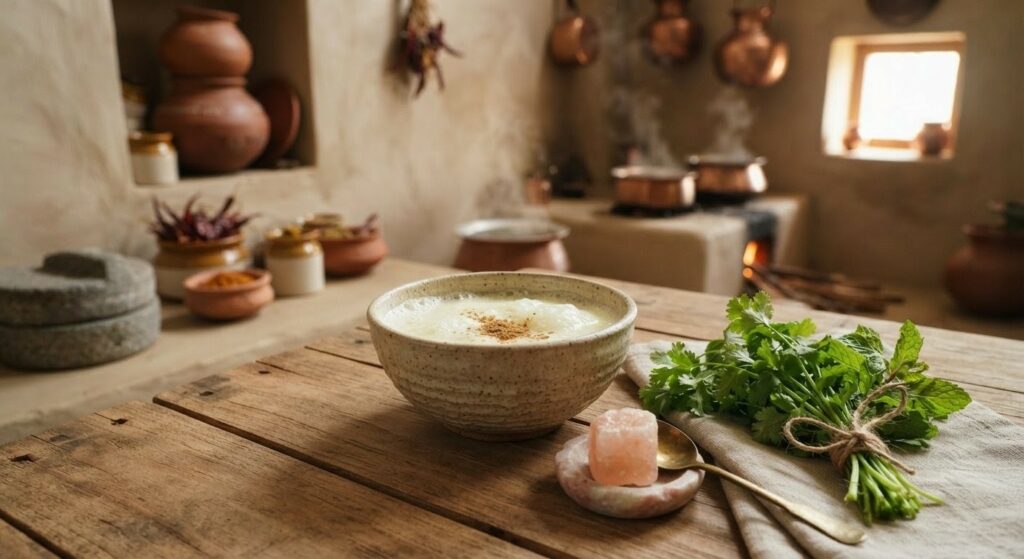
Yogurt whey is the liquid left behind after curd ferments, and it carries lactic acid, whey proteins and trace minerals. Its mildly acidic nature supports the growth of healthy Lactobacillus bacteria while keeping harmful ones in check. Rock salt adds back sodium, potassium and magnesium lost through diarrhoea, helping to ease electrolyte imbalance. In Ayurveda this combination is close to Takra, valued for being light and easy to digest during acute digestive upset. Many households in India already keep this remedy on hand during the monsoon months, often serving it chilled with a pinch of roasted cumin for added digestive support.
2. Panchakola Powder with Honey
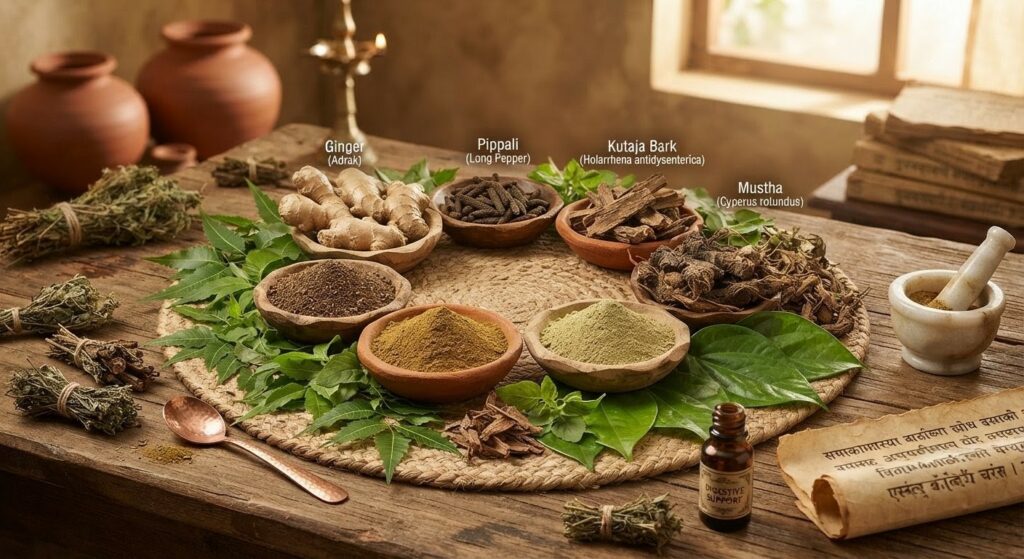
Panchakola is a blend of five warming herbs, Pippali, Pippalimula, Chavya, Chitraka and Shunthi, traditionally used to stimulate digestion and ease bloating. Each of these herbs contributes pungent compounds believed to improve gastric secretions and intestinal movement. Honey acts as a yogavahi, a carrier that helps the body absorb the herbs better while also bringing its own antibacterial and anti-inflammatory properties. Together they are traditionally used to support digestion and help the body process Ama, the toxic residue of incomplete digestion that Ayurveda considers a root cause of monsoon stomach troubles.
3. Honey with Water
A simple glass of honey dissolved in warm water is one of the oldest home remedies for an unsettled stomach. Honey is largely made up of glucose and fructose, along with small amounts of enzymes, proteins and antioxidants that become easier for the body to absorb when diluted in water. Some early research suggests honey may help support healthy gut bacteria and steadier blood sugar levels. Ayurveda regards Madhu as both cleansing and restorative, particularly useful for balancing Kapha and Pitta, and recommends it as a gentle way to soothe the gut lining while keeping the body hydrated.
4. Barley Porridge
Barley is rich in soluble fibre, particularly beta-glucans, which can help slow sugar absorption and support steadier bowel movements. Its soft, easy to digest texture makes it gentle on an inflamed gut, and it provides nourishment at a time when the body may struggle to tolerate heavier foods. Ayurveda describes Yava, or barley, as light and drying, making it a suitable food during diarrhoea and fever. A simple barley porridge cooked with a little water and no strong spices can be a good first meal once symptoms start to settle.
5. Pomegranate Peel with Buttermilk and Rock Salt
Pomegranate peel is rich in tannins and polyphenols, giving it a strong astringent quality along with antibacterial properties. Buttermilk brings probiotics that help rebalance gut flora, while rock salt replaces electrolytes lost through repeated diarrhoea. In Ayurveda this combination is described as grahi, meaning it helps the body absorb and hold fluid, and kapha-pittahara, meaning it helps balance Kapha and Pitta. This makes it particularly useful during recurring diarrhoea, when both fluid loss and disrupted gut flora need to be addressed together.
6. Fermented Kutaja Drink
Kutaja bark, drawn from the Holarrhena antidysenterica tree, contains conessine, an alkaloid studied for its traditional use in managing diarrhoea. Fermentation is believed to improve its absorption and adds beneficial lactic acid bacteria to the mix, giving it a dual role in traditional practice. Ayurveda describes Kutaja as grahi and stambhana, meaning binding and stabilising, a description that lines up with its traditional role in slowing excess gut motility. This remedy has a long history of use in Ayurvedic formulations aimed specifically at digestive disorders.
7. Mustha with Buttermilk
Mustha, known botanically as Cyperus rotundus, contains flavonoids and essential oils valued for their cooling, carminative and calming effect on the gut. Paired with buttermilk, it combines probiotic support with anti-inflammatory properties, offering relief for intestines that feel irritated or inflamed. Ayurveda calls it deepana and tridoshaghna, meaning it supports digestion and helps balance all three doshas, with a particular effect on excess Pitta. It is often recommended specifically for loose stools accompanied by abdominal discomfort.
These remedies are traditionally used to support hydration, digestion and recovery. They work best alongside proper medical care, not as a replacement for it, and none of them should delay a visit to the doctor if symptoms are severe or persistent.
Also Read: How to Take Care of Your Skin in Winters
How to Prevent Gastroenteritis During Monsoon
Prevention matters more during monsoon than at any other time of year, since the conditions that spread gastroenteritis are so widespread during the rainy months. A few consistent habits can meaningfully lower the risk of infection.
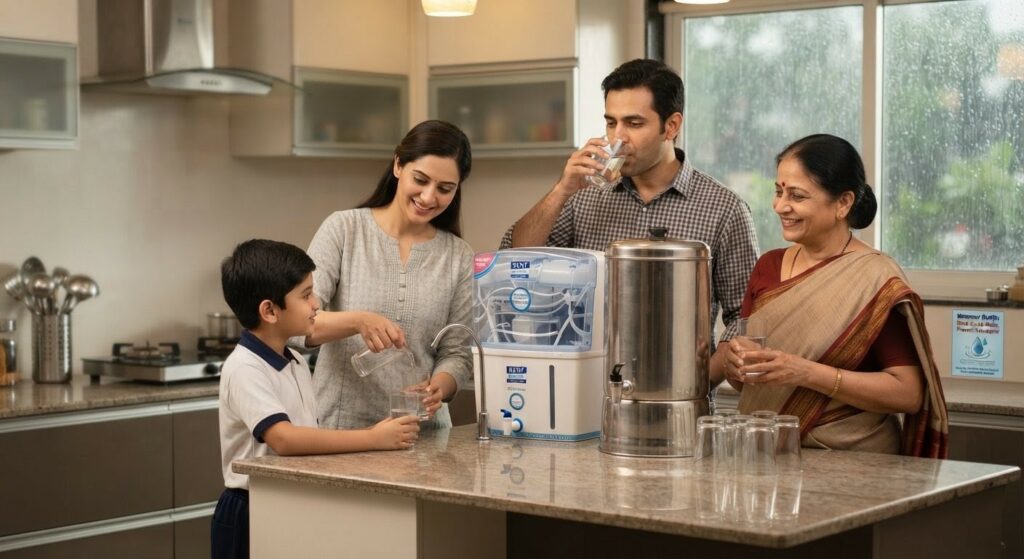
- Drink only boiled or filtered water
- Wash your hands before eating and after using the washroom
- Avoid street food during heavy rain
- Choose freshly cooked meals over food that has been sitting out
- Refrigerate leftovers promptly
- Wash fruits and vegetables thoroughly before eating
None of these habits require major lifestyle changes, but together they cut down most of the everyday ways gastroenteritis spreads during monsoon.
Frequently Asked Questions
What causes gastroenteritis during the monsoon?
Contaminated water and food are the main triggers. Waterlogging during monsoon makes it easier for viruses, bacteria and parasites to spread, especially in areas with poor sanitation or ageing water infrastructure. Rotavirus and norovirus are common viral causes, while bacteria like E. coli, Salmonella and Campylobacter tend to spread through improperly stored or undercooked food. Close contact with someone who is already infected can also pass the illness on.
How long does gastroenteritis usually last?
Most cases resolve within a few days to two weeks, depending on the cause and the person’s overall health. Viral infections tend to run their course faster than bacterial ones. Staying hydrated is the most important part of recovery, since most of the discomfort and risk comes from fluid loss rather than the infection itself.

When should you see a doctor?
See a doctor if there is blood in the stool, a fever that will not break, ongoing vomiting, or signs of dehydration such as dizziness, dry mouth or very little urine. Symptoms lasting more than two to three days also warrant a medical check, as do any symptoms in infants, elderly people, pregnant women or those with weakened immunity, since these groups are more vulnerable to complications.
What foods should you eat during gastroenteritis?
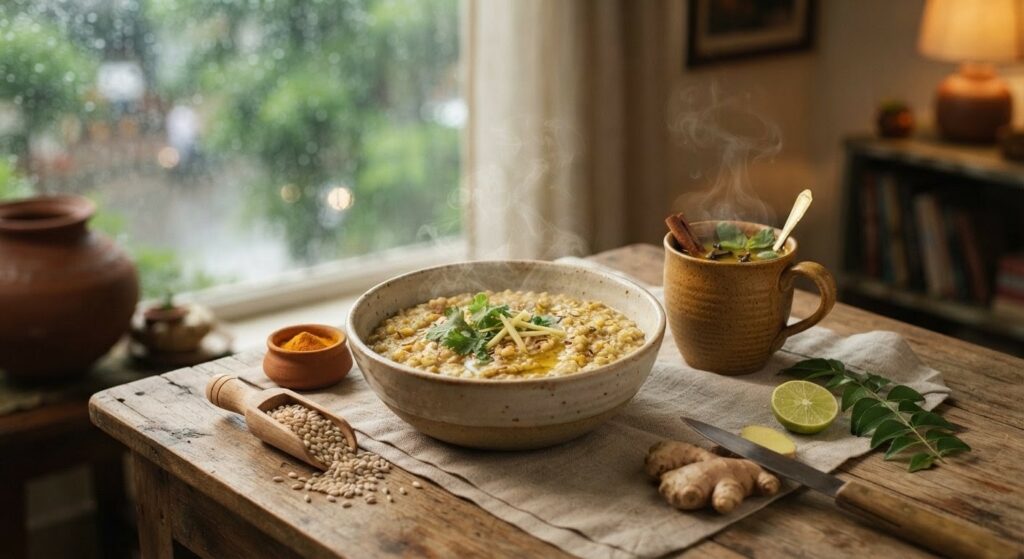
Light, easy to digest foods work best while the gut is recovering. Barley porridge, buttermilk and small, frequent sips of fluids like oral rehydration solution are good starting points. Bananas, rice and plain toast are also gentle on the stomach. Avoid oily, spicy or heavy foods until digestion settles, along with caffeine and carbonated drinks, which can irritate the gut further.
Can Ayurveda help with gastroenteritis?
Ayurvedic remedies can support digestion, hydration and recovery, and many of the ingredients used, such as buttermilk, honey and rock salt, have a long history of traditional use for digestive complaints. They are not a replacement for medical treatment, especially in severe or prolonged cases, and are best used alongside professional care rather than instead of it.
Also Read: Basic Lifestyle Changes for Cancer Survivors, Myth and Facts You Should Know

