

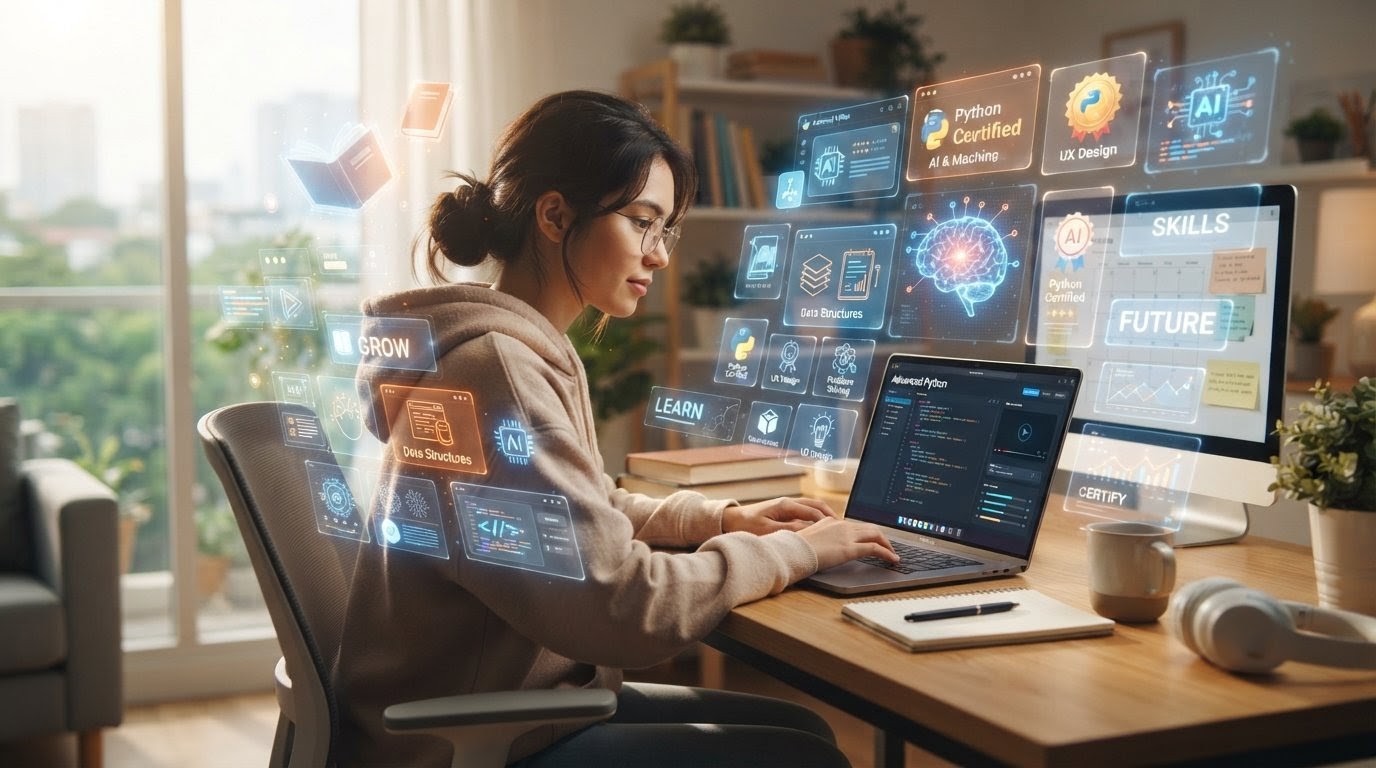
Is a college degree still the only path to learning something new? Why are millions of people turning to YouTube, Coursera, and AI tools instead of sitting in a classroom?
The internet has quietly rewritten the rules of education. A teenager in a small town can now learn coding from the same instructors as someone at a top university. A working professional can pick up a new skill on a lunch break instead of waiting for the next semester. This shift has a name. It is called self-learning, and it raises a real question. Can self-learning actually replace traditional education, or is it just a supplement to it?
This article breaks down what self-learning really means, why it is growing so fast, and how far it can realistically take you.
According to the World Economic Forum’s Future of Jobs Report 2025, employers expect 39 percent of workers’ core skills to change by 2030, and 50 percent of the global workforce has already completed some form of training, reskilling, or upskilling, up from 41 percent in 2023. Continuous learning is no longer optional in a fast-changing job market, and self-learning has become one of the main ways people are keeping pace.
Table of Contents

What Is Self-Learning?
Self-learning is the process of gaining knowledge or skills through your own effort, without a fixed classroom, syllabus, or instructor guiding every step. You choose what to learn, how to learn it, and at what pace.
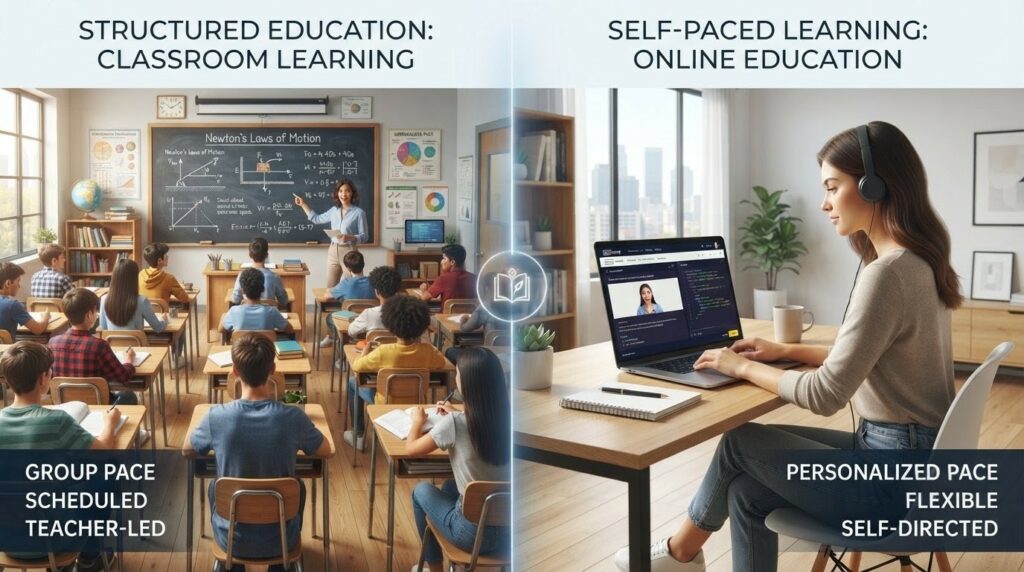
Traditional education follows a structured path. There is a curriculum, a teacher, deadlines, and exams. Self-learning flips this. You are the one setting the direction. This is why it is sometimes called self-education or independent learning.
Self-Paced Learning vs Instructor-Led Learning
Self-paced learning means you move through material on your own schedule. You can spend three hours on one concept or three days, depending on how quickly you grasp it. Instructor-led learning follows a fixed timeline set by someone else. Both have value, but self-paced learning is what gives self-learning its biggest appeal, flexibility.
Digital learning tools have made this shift possible. A decade ago, self-education meant library books and trial and error. Today it means structured video courses, interactive platforms, and instant access to expert-created content.

Why Is Self-Learning Growing So Fast?
A few forces are driving this shift together.
Access to knowledge has never been easier. YouTube alone hosts tutorials on almost every skill imaginable. MOOCs, or massive open online courses, bring university-level teaching to anyone with an internet connection. Podcasts and blogs add another layer, letting people learn during a commute or a workout.
Cost is another major factor. A single online course often costs a fraction of a college semester. For many, this makes online learning the only realistic option.
Flexibility matters too. People working full time cannot always attend fixed classes. Self-learning lets them study at night, on weekends, or in short bursts during the day.
Remote work has added fuel to this trend. Companies now hire based on demonstrated skill more than degrees alone, which pushes more people toward online learning to stay competitive.
AI-powered learning is the newest addition. Tools that explain concepts, answer questions, and adjust to your pace have made self-education faster and less isolating than it used to be.
Can You Really Educate Yourself Online?
For many skills, yes.
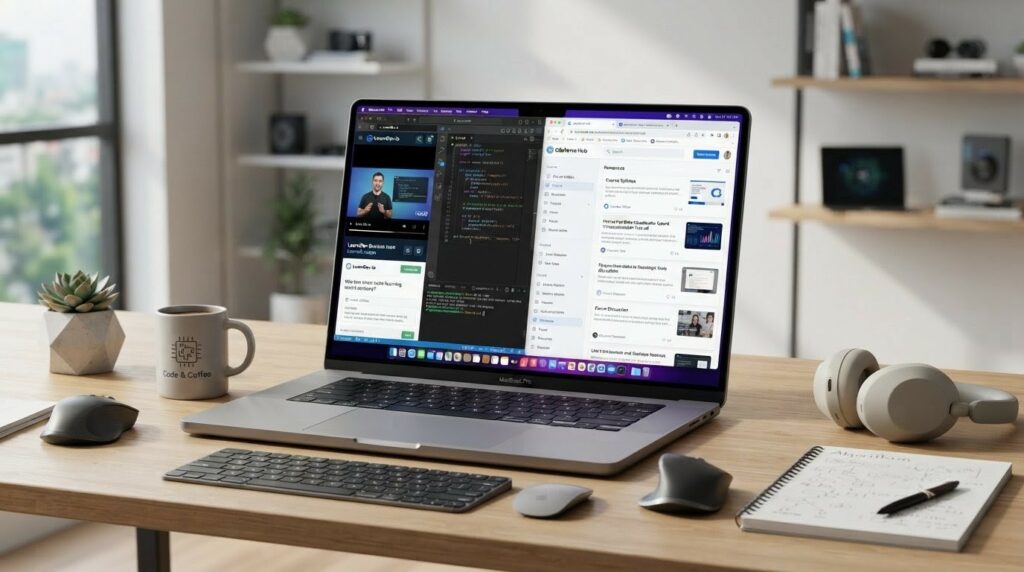
People have taught themselves programming, graphic design, digital marketing, new languages, writing, data science, photography, and core business skills entirely through online learning. The resources exist, the communities exist, and the results speak for themselves. Plenty of self-taught developers and designers now work at major companies without a traditional degree in the field.
But there are limits. Fields like medicine, law, and engineering require formal education because they involve licensing, hands-on clinical or lab training, and legal accountability. You cannot self-teach your way into a medical license. These professions need structured, verified education because the stakes involve public safety.
So the honest answer is this. Self-learning works exceptionally well for practical and creative skills, and it hits a hard ceiling where licensing and regulation are involved.
Is Self-Learning Right for You?
Self-learning works best if you enjoy solving problems independently, can stay motivated without constant supervision, prefer flexible schedules, are comfortable using digital tools, and learn best by building projects and practicing hands-on.
Traditional education may still be the better choice if you need structured guidance, practical lab experience, or a professional license to practice in your field.
Benefits of Self-Learning for Students and Professionals
Learn Anytime
There is no fixed class schedule dictating when you sit down to study. You can learn at 6 a.m. before work, during a lunch break, or late at night after everyone else has gone to sleep. This matters most for students juggling part-time jobs and professionals fitting learning around full-time careers. Since progress is not tied to a timetable, a single missed day does not derail the entire plan.
Learn at Your Own Pace
You are not held back by a slower classmate, and you are not rushed by a faster one either. If a concept takes three attempts to click, you can repeat a video or redo an exercise as many times as needed. Equally, if you already understand a topic, you can move ahead without waiting for the rest of a class. This kind of pacing tends to improve retention, since understanding is prioritized over simply keeping up.
Lower Costs
Many high-quality resources are free or available for a fraction of what a traditional course or degree would cost. Platforms like YouTube and Khan Academy offer entire subject areas at no cost, while paid platforms like Coursera and Udemy are still far cheaper than tuition fees. This makes self-learning especially valuable for students and early-career professionals who want to build skills without taking on debt.
Unlimited Resources
From video lectures to interactive coding platforms, ebooks, podcasts, and community forums, the range of available material is enormous and constantly expanding. If one explanation does not make sense, another creator or format usually will. This variety also means learners are not limited to a single teaching style, which helps when a particular explanation or textbook simply is not clicking.
Personalized Learning
You choose exactly what to focus on, skipping topics you already know and spending extra time on the ones that challenge you. A student preparing for a specific exam can study only what is relevant, while a professional picking up a new tool can skip the basics and go straight to advanced features. This level of control is difficult to replicate in a traditional classroom built around a fixed pace for everyone.
Continuous Skill Development
Self-learning does not stop the day a degree is handed out. It becomes an ongoing habit that keeps skills current as industries, tools, and job requirements evolve. For professionals, this often means the difference between staying relevant in a role and falling behind as technology changes. Over time, this habit compounds, making each new skill easier to pick up than the last.

Challenges of Online Self-Learning and How to Overcome Them
Self-learning is not without its problems, and a balanced view has to include them.
Discipline is the biggest hurdle. Without deadlines or a teacher checking in, it is easy to fall behind. Information overload is another issue. With so much content available, choosing where to start can feel overwhelming.
Misinformation is a real risk online, especially on unmoderated platforms. Without a structured curriculum, learners can end up with knowledge gaps they do not even realize exist.
Networking is harder too. Traditional education offers built-in peer groups and mentors, something self-learners often have to build manually through online communities.
Certification concerns also come up often. Not every employer values a course completion certificate the same way they value a degree. And without external accountability, motivation can dip over time.
Most of these challenges have practical fixes. A fixed weekly schedule builds discipline where a classroom would normally provide it. Sticking to one or two trusted platforms at a time reduces information overload and exposure to misinformation. Joining an online community or study group restores some of the networking and accountability that self-learning lacks on its own.
Also Read: Importance of Internships for Students: Why Practical Experience Matters
Real-Life Examples of Successful Self-Learners
Steve Jobs famously audited a calligraphy course outside his formal coursework, an interest that later shaped Apple’s approach to typography and design. Many software developers now working in professional roles started out learning through free online resources before landing their first job in tech. Countless freelancers have also built entire careers in graphic design, writing, and digital marketing purely through self-directed learning, often without a related degree.
These examples do not mean self-learning guarantees success. They show that with consistency and the right digital literacy skills, independent learning can lead to real, tangible outcomes.
| Platform | Best For |
| Coursera | University-style courses |
| edX | Professional certificates |
| Khan Academy | School and college subjects |
| Udemy | Practical, skill-based courses |
| YouTube | Free tutorials on almost anything |
| LinkedIn Learning | Professional development |
| Codecademy | Coding fundamentals |
| freeCodeCamp | In-depth programming practice |
| Skillshare | Creative skills like design and illustration |
How AI Is Transforming Self-Learning
AI has added a new layer to self-education that did not exist a few years ago.
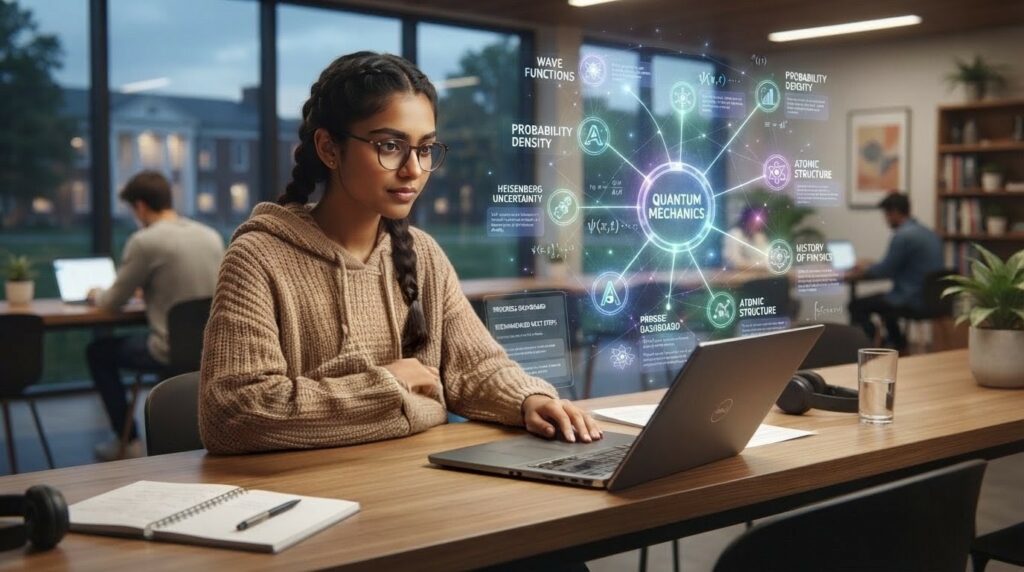
Tools like ChatGPT act as on-demand tutors, breaking down complex topics into simpler explanations whenever you get stuck. AI tutors can adjust explanations based on how you respond, offering a level of personalization that pre-recorded videos cannot match. Feedback that once took days from a teacher can now come instantly, which speeds up the learning loop considerably.
AI can also help build a learning roadmap, suggesting what to study next based on your current level. Language learning apps powered by AI now adjust difficulty in real time based on your responses, something static textbooks were never able to do.
AI in education now stretches across several practical use cases. It can generate personalized quizzes to test what you have retained, run mock practice interviews, give writing feedback, assist with coding problems, hold language conversation practice, build out full study plans, and explain difficult concepts in simpler terms on demand.
The limitation is worth mentioning honestly. AI tools can occasionally generate inaccurate information, and they do not replace the accountability of a real mentor or the depth of hands-on, supervised training. Used well, AI is a powerful learning companion that sharpens critical thinking. Used blindly, it can reinforce mistakes.
| AI Tool | Best Use |
| ChatGPT | Explanations, study plans, writing help |
| Claude | Long-form summaries and reasoning |
| Gemini | Research assistance |
| Perplexity | Finding cited information |

Common Mistakes Self-Learners Make
- Learning without a clear goal
- Jumping between too many courses at once
- Watching videos without practicing
- Ignoring feedback
- Relying on only one source
- Giving up too early
Avoiding these mistakes often comes down to basic time management and productivity habits, not talent or intelligence.
Tips to Become a Successful Self-Learner
- Set clear, specific goals before you start
- Build a realistic study schedule and stick to it
- Choose reliable, well-reviewed resources
- Take notes instead of passively watching content
- Practice consistently rather than in occasional bursts
- Join online communities related to your skill
- Build real projects to apply what you learn
- Track your progress regularly
- Avoid multitasking while studying
- Treat learning as an ongoing habit, not a one-time task

Does Online Self-Learning Help Your Career?
It can, and increasingly does.
Self-learning helps build a portfolio of real work, which matters more in many industries than a transcript. Freelancers frequently rely entirely on self-taught skills to build client-ready expertise. People changing careers often use self-learning to break into a new field without going back to full-time education.
Skill-based hiring is becoming more common, especially in tech, design, and marketing, where employers care more about what you can do than where you studied. Certifications from recognized platforms can add credibility, though they rarely carry the same weight as a formal degree in regulated fields.
Employer perspectives vary. Many companies now openly welcome self-taught candidates, provided they can prove their skills through a portfolio, test, or interview. Others still lean on traditional qualifications, particularly for licensed or highly technical roles.
Organizations like UNESCO and the OECD have long promoted lifelong learning as a core policy goal, while the World Bank continues to fund digital education access in developing regions. Harvard Business Review has also published extensively on the shift toward skill-based hiring, reinforcing that this is not a passing trend but a structural change in how careers are built.
Self-Learning vs Traditional Education
| Self-Learning | Traditional Education |
| Flexible timing | Fixed schedule |
| Generally affordable | Often expensive |
| Self-paced | Structured pace |
| Wide resource choice | Limited, fixed curriculum |
| Requires personal discipline | Guided by instructors |
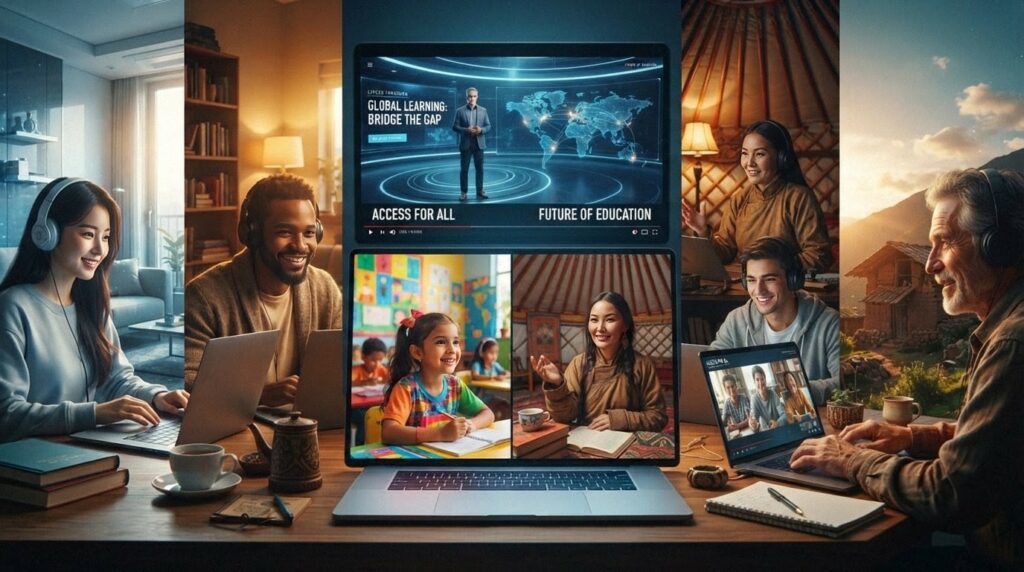
The internet has democratized education in a way that was unimaginable a generation ago. Self-learning has become one of the most powerful ways to build knowledge and develop skills throughout life, from coding and design to writing and business strategy. It will not replace every form of formal education, especially in licensed professions like medicine and law, but for most practical skills, it has proven itself as a legitimate and often faster path forward. In the end, success depends less on where you learn and more on your consistency, curiosity, and willingness to apply what you learn.
The biggest advantage of self-learning is not simply that it is affordable or convenient. It is that it puts education in your hands. Whether you want to switch careers, develop a new hobby, or keep up with a changing world, the internet offers more opportunities to learn than ever before. The challenge is no longer finding knowledge. It is staying curious, consistent, and committed enough to use it.
Frequently Asked Questions
Can you educate yourself completely online?
For many practical and creative skills, yes. For licensed professions like medicine or law, formal education remains necessary.
Is self-learning better than college?
It depends on the goal. Self-learning offers flexibility and lower cost, while college offers structure, credentials, and networking that self-learning cannot fully replicate.
What are the best websites for self-learning?
Coursera, edX, Khan Academy, Udemy, YouTube, and freeCodeCamp are among the most widely used platforms for self-education.
Do employers value self-taught skills?
Many do, especially in tech, design, and marketing, provided the skills are backed by a strong portfolio or demonstrated results.
Can AI replace teachers?
AI can support learning through instant feedback and personalized explanations, but it does not fully replace human mentorship, accountability, or hands-on training.
Is online education effective?
Research and real-world outcomes suggest it can be highly effective, particularly when learners stay consistent and choose reliable resources.
How long does it take to learn a skill online?
This varies by skill and effort. Basic proficiency in something like a programming language or design tool can take a few months of consistent practice, while deeper mastery takes longer.
Are free online courses worth it?
Yes, many free courses on platforms like YouTube and Khan Academy are created by credible instructors and cover material just as well as paid alternatives, though paid courses often add structure, certificates, and mentorship.
Can online certificates get you a job?
They can strengthen an application, especially alongside a portfolio or demonstrated skill, though they rarely replace a degree entirely in regulated or licensed fields.
Also Read: Why Brand Storytelling Matters More Than Traditional Marketing in 2026

