


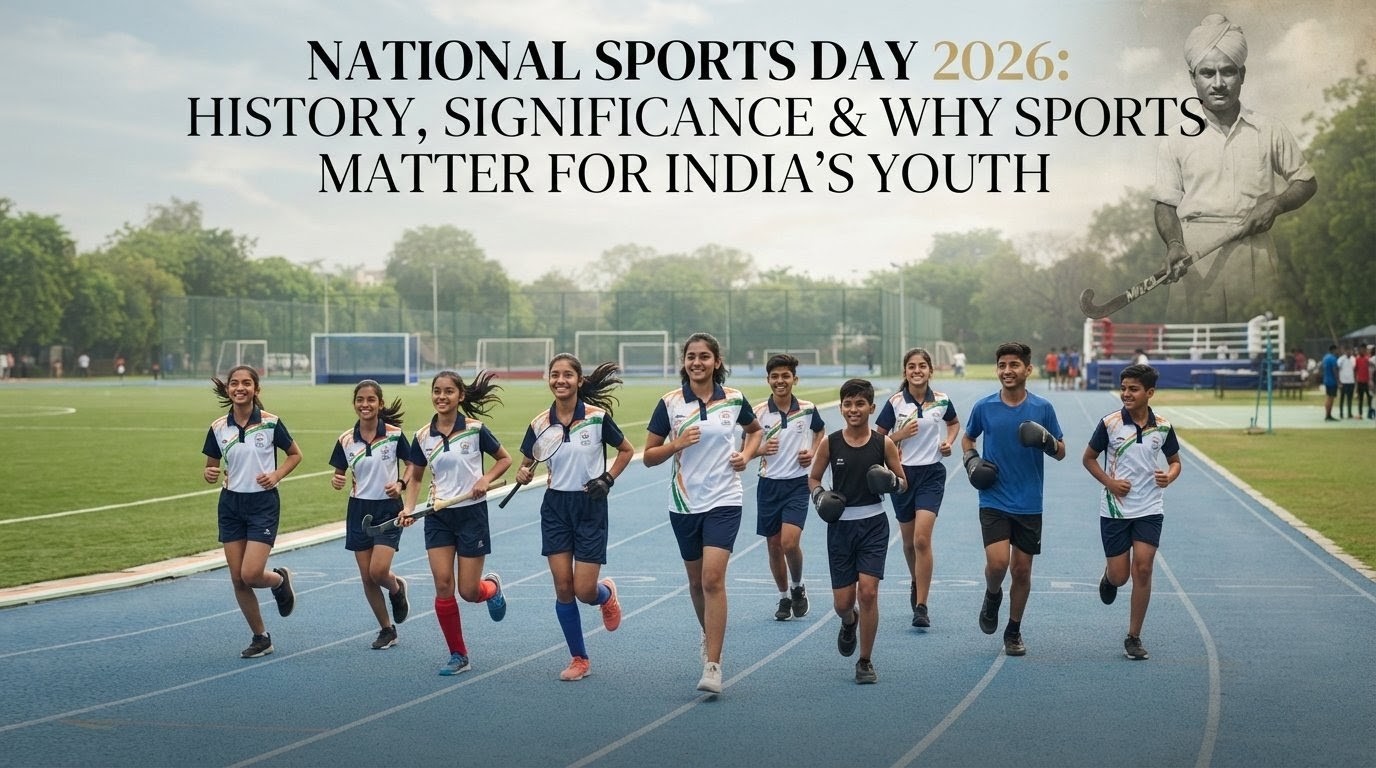
Every year on 29 August, India comes together to celebrate National Sports Day, a day set aside to honour the country’s sporting heritage and the athletes who have carried its name across the world. The date marks the birth anniversary of Major Dhyan Chand, the legendary hockey player whose skill on the field earned India three Olympic gold medals and a permanent place in the history of the sport.
But National Sports Day is about far more than remembering one man’s brilliance. It is a reminder that sport shapes health, discipline, confidence and character, and that these lessons matter just as much for a schoolchild picking up a ball for the first time as they do for a professional athlete on the world stage.
Table of Contents
What Is National Sports Day?
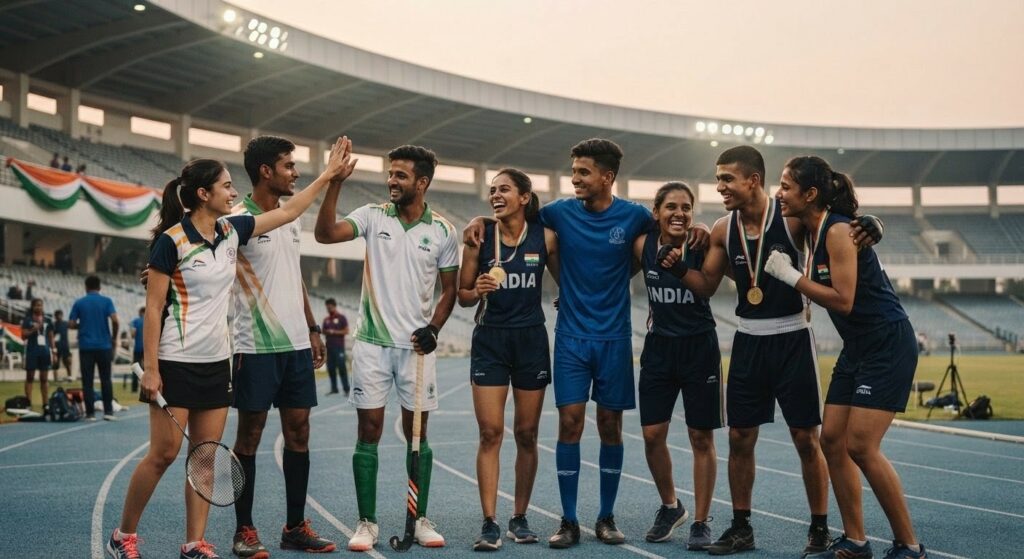
National Sports Day 2026 is India’s annual tribute to sporting excellence, observed on 29 August across schools, colleges, sports academies and communities nationwide. The day was introduced to recognise the contribution of athletes to national pride and to encourage citizens, especially young people, to take an active interest in physical activity and competitive sport.
The date was chosen to coincide with the birth anniversary of Major Dhyan Chand, whose extraordinary command over the hockey stick made him one of the most admired sportsmen India has ever produced. His story is often used to introduce the day, but the occasion has grown into something broader. It now serves as a platform to highlight India’s sporting culture as a whole, from grassroots initiatives in small towns to the achievements of athletes competing on international podiums.
On this day, schools organise matches and fitness drills, sports bodies felicitate outstanding performers, and government institutions often use the occasion to announce new schemes aimed at strengthening sports infrastructure. The underlying idea is simple. Sport is not a side activity. It is central to building a healthier and more confident nation.
Why Is National Sports Day Celebrated on 29 August?
The choice of 29 August is deeply tied to the life of Major Dhyan Chand, who was born on this date in 1905. Known widely as the Wizard of Hockey, Dhyan Chand’s stick work was so precise and so difficult to counter that opposing teams reportedly checked his hockey stick for magnets, convinced that no human being could control the ball with such ease.
He led India to Olympic gold in 1928, 1932 and 1936, and his individual performances during these tournaments remain some of the most talked about moments in Indian sporting history. Beyond the medals, Dhyan Chand represented a kind of quiet discipline and mastery that came from years of practice rather than shortcuts. His legacy became a natural symbol for a day meant to inspire sporting excellence, which is why National Sports Day in India continues to be linked so closely with his name even decades after his playing days ended.

History of National Sports Day in India
National Sports Day in India was first observed in 1928, the same year Dhyan Chand helped India win its first Olympic hockey gold, though the formal national observance came later as a way to institutionalise recognition of sporting talent. Over time, the day has evolved from being a tribute limited to hockey into a wider celebration covering every sport played and followed in the country.
Each year, the President of India presents national sports awards on this occasion, including honours for outstanding athletes, coaches and sports organisations. These awards, along with media coverage and school level events, have helped keep the spirit of National Sports Day alive in public consciousness. What began as a tribute to one athlete has gradually become an annual checkpoint for the country to reflect on its sporting progress and the work still left to do.
Significance of National Sports Day
The real value of National Sports Day 2026 lies in what it encourages people to do differently, even if only for a day. It nudges families to step outside, schools to prioritise physical education, and communities to recognise local sporting talent that might otherwise go unnoticed.
Promoting a Culture of Sports
At its core, the day is an invitation to make physical activity a regular part of daily life rather than an occasional hobby. When schools and neighbourhoods organise matches, walks or fitness sessions around this date, it helps normalise the idea that sport belongs in everyone’s routine, not just in the lives of professional athletes.
Recognising Sporting Excellence
National Sports Day 2026 gives India a formal moment to applaud its athletes, coaches and support staff. Public recognition, whether through national awards or a simple mention in a school assembly, reinforces the message that sporting achievement deserves respect on par with academic or professional success.
Encouraging Young Talent
Many children never get the chance to try a sport simply because no one introduces them to it. Days like this create small openings, a school tournament, a community coaching camp, a local awareness drive, that can help identify talent early and give it room to grow.
Building a Healthier Society
Physical activity has a direct link to better health outcomes, lower stress levels and improved sleep. A day dedicated to sport is also, indirectly, a day dedicated to public health, especially in a country where lifestyle related illnesses are becoming more common among younger populations.
Also Read: How Sports Help Youth in Their Career Development
Why Sports Matter for India’s Youth
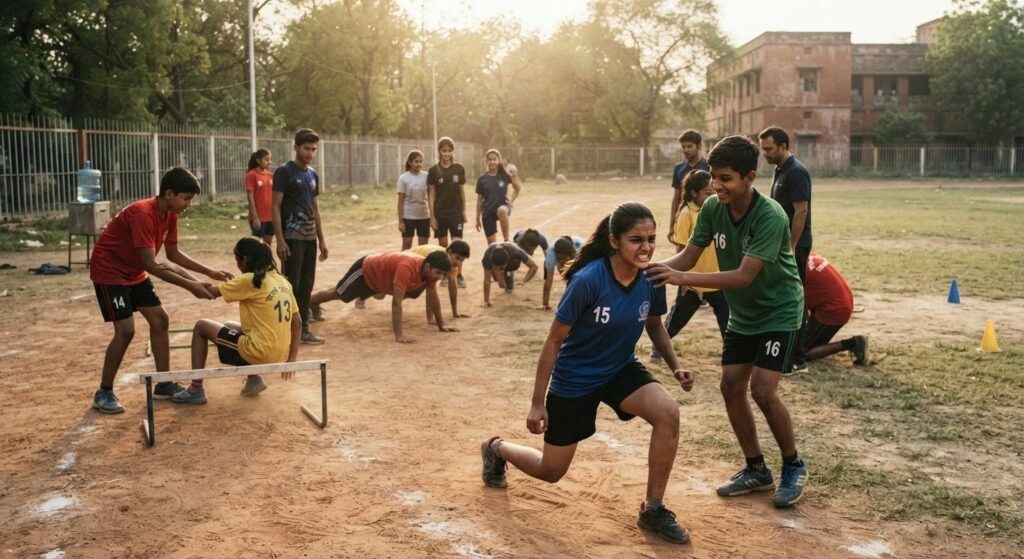
If National Sports Day 2026 has one lasting message, it is that the importance of sports for youth goes far beyond winning matches or collecting medals. Sport shapes young people in ways that stay with them long after they stop playing competitively.
Physical fitness naturally comes first. Regular participation in any sport builds strength, stamina and coordination, and it establishes habits that often carry into adulthood. A teenager who plays badminton twice a week is far more likely to stay active as an adult than one who has never developed the habit at all.
Mental well-being follows closely behind. Sport offers young people a healthy outlet for stress, frustration and the pressures of academic life. The focus required during a match or training session gives the mind a break from constant overthinking, and the endorphins released through physical exertion genuinely improve mood.
Discipline and consistency are built through the routine that sport demands. Turning up for practice even on days when motivation is low teaches a kind of commitment that classroom learning alone rarely provides.
Teamwork and communication develop naturally in group sports, where young people learn to coordinate with others, accept feedback and contribute to a shared goal rather than working in isolation.
Leadership and decision-making are sharpened every time a young athlete has to make a split second call on the field, whether that means choosing to pass, defend or take a shot. These are decisions made under pressure, and the ability to think clearly in such moments transfers well into other areas of life.
Confidence and resilience grow through the natural cycle of practice, competition and improvement. Losing a match and coming back stronger teaches young people that setbacks are not permanent, a lesson that proves valuable well beyond the sporting arena.
Time management becomes second nature for young athletes who must balance training schedules with schoolwork and family responsibilities, often resulting in better organisational habits overall.
Finally, sport teaches young people how to handle both success and failure with grace, an emotional skill that many adults still struggle with.
How Sports Help Students Beyond the Playground
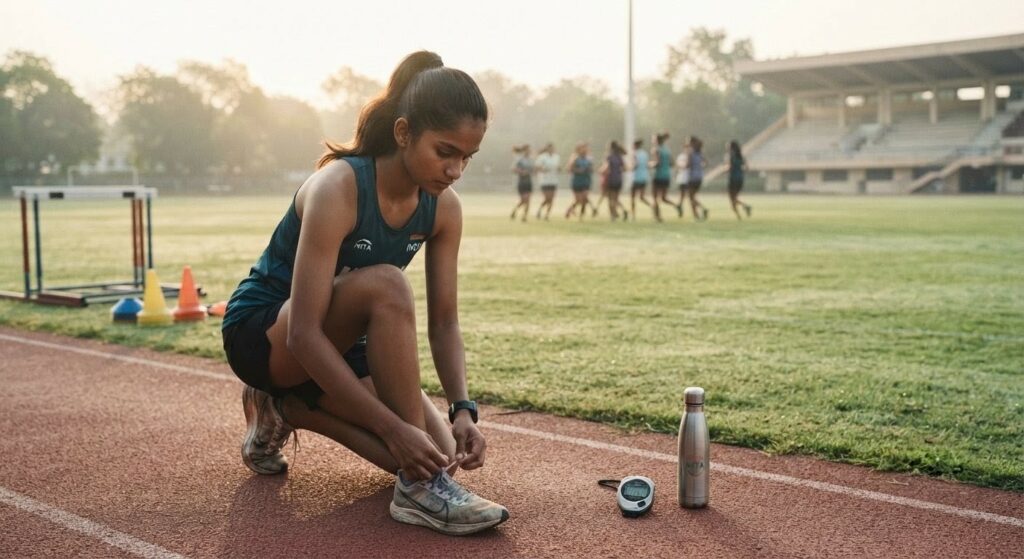
The benefits of sport are not confined to the field or the court. Students who participate regularly in sport often show better concentration in the classroom, largely because physical activity improves blood flow and alertness. A structured training schedule also encourages a more disciplined daily routine, which tends to spill over into study habits.
Balancing academics with extracurricular activities forces students to plan their time carefully, a skill that serves them well long after school ends. Team sports in particular help students develop social skills, since they interact regularly with peers from different backgrounds and learn to navigate group dynamics.
Responsibility comes naturally when a student is part of a team that depends on their punctuality and effort. Perseverance is built through the repeated cycle of training, competing and improving, even when progress feels slow. For some students, sport even opens the door to discovering a genuine passion, one that later shapes their choice of career, whether as an athlete, coach, sports physiotherapist or sports administrator.
India’s Growing Sporting Culture
As National Sports Day 2026 approaches, it is worth noting how much India’s relationship with sport has changed over the past two decades. Cricket and hockey once dominated public attention almost entirely, but that picture looks different today. Badminton has found new fans following strong performances on the international circuit. Athletics, wrestling, boxing and shooting have all gained visibility as Indian competitors continue to make their mark at global events.
Schools and private academies are playing a growing role in this shift, offering structured coaching in sports that were previously accessible only to a small number of dedicated athletes. Community sports programmes, often run by local clubs or non-profit organisations, have also helped bring training opportunities to areas that previously had none.
None of this progress happens without proper facilities and qualified coaching. Access to decent grounds, equipment and trained mentors remains one of the biggest factors separating regions where sporting talent flourishes from those where it struggles to take root.
Challenges Facing Young Athletes in India
Even as National Sports Day is celebrated with enthusiasm, a fair picture of India’s sporting landscape has to include the obstacles that still hold many young athletes back.
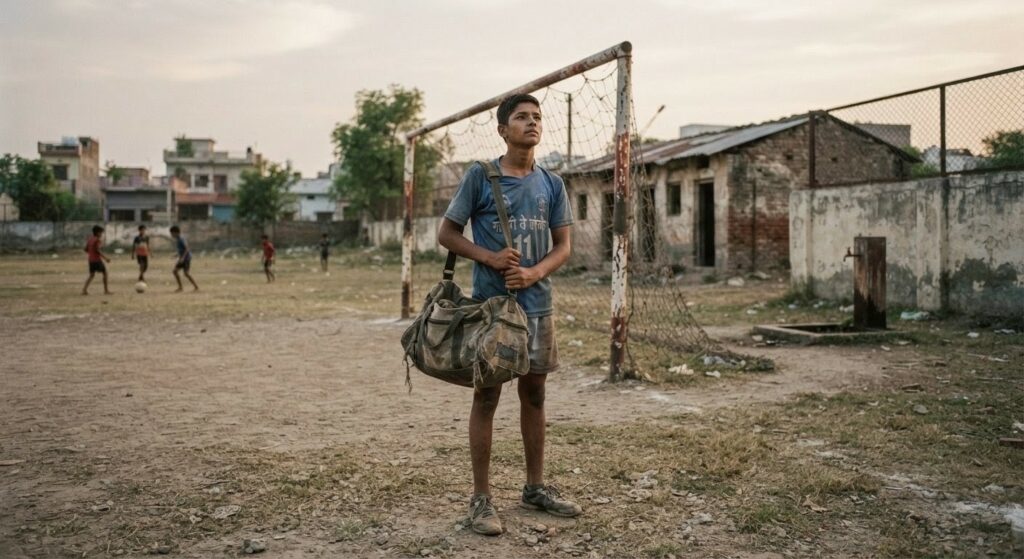
Lack of sports infrastructure remains a persistent problem in smaller towns and rural areas, where even basic grounds or equipment can be hard to come by. Limited access to quality coaching compounds this issue, since talent without guidance rarely develops into skill.
Academic pressure often forces families to choose between schoolwork and sport, particularly once a child reaches the higher grades. Financial constraints add another layer of difficulty, since serious training, travel to tournaments and proper equipment all come at a cost many families cannot easily bear.
Unequal opportunities across regions and social groups mean that a child’s chances of pursuing sport seriously can depend heavily on where they were born and what resources their family has access to. This is felt most acutely in rural and underserved communities, where facilities are scarce and coaching is often informal at best.
Many young people also remain unaware of the career pathways sport can offer beyond becoming a professional athlete, from coaching and sports science to event management and physiotherapy.
How India Can Encourage More Young People to Take Up Sports
Addressing these challenges requires practical, sustained action rather than one day of celebration each year.
Improving school sports facilities should be a starting point, since schools are often a child’s first exposure to organised sport. Making regular physical activity part of the school day, rather than an optional extra, would help normalise fitness from an early age.
Supporting grassroots sports programmes at the community level can widen access for children who would otherwise never encounter structured coaching. Improving access to trained coaches, particularly outside major cities, would go a long way in helping raw talent develop properly.
Encouraging participation in a wider range of sports, beyond the handful that dominate media attention, gives more children the chance to find something they genuinely enjoy. Creating dedicated opportunities for girls and children from underserved communities is equally important, since these groups are often the first to be left out when resources are limited.
Finally, helping parents understand the long-term value of sport, not just as a hobby but as a contributor to health, discipline and personal growth, can shift attitudes at the household level, where many decisions about a child’s activities are ultimately made.
National Sports Day 2026: How You Can Celebrate
Marking National Sports Day 2026 does not require anything elaborate. Taking part in a sport or physical activity, even something as simple as a walk or a game with friends, is a meaningful way to honour the occasion. Schools and communities can organise sporting events that bring people together, while families can use the day to introduce children to a new activity.
Learning about Major Dhyan Chand and his contribution to Indian hockey is a fitting way to understand where the day comes from. Encouraging children to try a sport, supporting a local sporting initiative, or simply sharing stories of Indian athletes who have inspired the next generation are all small but genuine ways to participate. For those looking for something different, trying a new sport altogether can be a fun way to step outside a familiar routine.
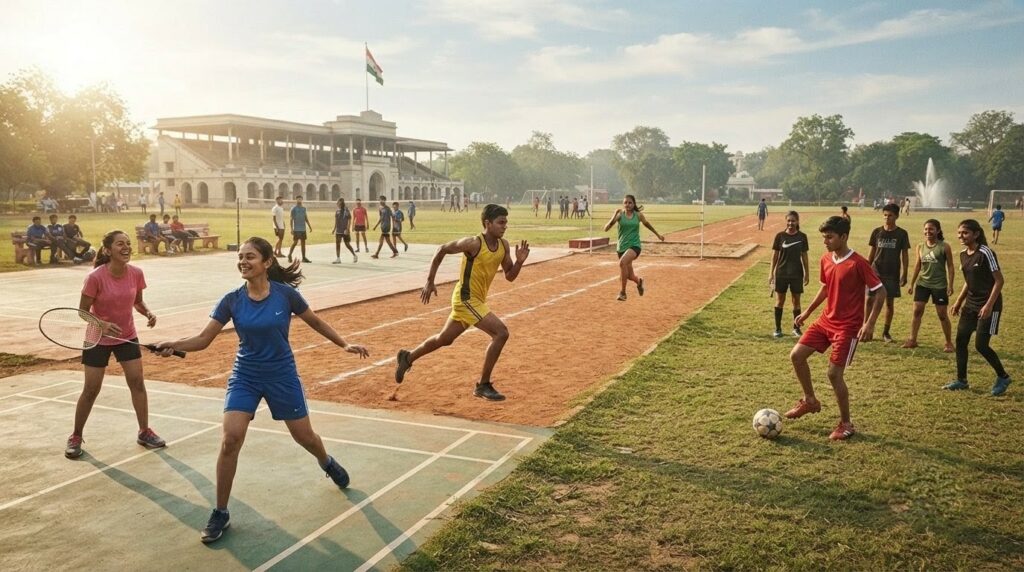
National Sports Day 2026 should not be viewed simply as a day to remember sporting legends of the past. It is an opportunity to recognise the role sport can play in shaping healthier, more disciplined, confident and resilient young people across the country. As India’s sporting culture continues to grow, the real measure of progress will not be found only in medal counts but in how many children get the chance to play, learn and grow through sport.
A stronger sporting culture does not begin with a medal. It begins with a child stepping onto the field.
Frequently Asked Questions About National Sports Day 2026
When is National Sports Day celebrated in India?
National Sports Day is celebrated every year on 29 August, marking the birth anniversary of hockey legend Major Dhyan Chand. Schools, sports bodies and government institutions across the country organise events and award ceremonies to mark the occasion each year.
Why is National Sports Day celebrated on 29 August?
29 August was chosen because it is the birth date of Major Dhyan Chand, whose exceptional skill helped India win three Olympic gold medals in hockey. His legacy became a natural symbol for a day dedicated to celebrating sporting excellence across the country.
Who was Major Dhyan Chand?
Major Dhyan Chand was an Indian hockey player widely regarded as one of the greatest the sport has ever seen. He led India to Olympic gold in 1928, 1932 and 1936, earning the nickname the Wizard of Hockey for his remarkable stick control.
Why are sports important for young people?
Sports help young people build physical fitness, mental resilience, discipline and teamwork skills that extend well beyond the playing field. They also teach valuable lessons in leadership, time management and handling both success and failure with maturity.
What is the significance of National Sports Day?
National Sports Day 2026 highlights the role of sport in building a healthier, more disciplined and confident society. It recognises athletes and coaches for their achievements while encouraging ordinary citizens, particularly young people, to take up physical activity and sport more seriously.
How can students celebrate National Sports Day?
Students can celebrate by taking part in a school sporting event, trying a new activity, or simply spending time being physically active with friends. Learning about Major Dhyan Chand’s achievements is another meaningful way to mark the day’s significance.
Also Read: Career Counselling in India for Students and Parents

