


Plastic pollution has become one of the most pressing environmental issues of our time. With over 300 million tons of plastic produced every year, much of it for single-use purposes, the planet is drowning in waste. From oceans and rivers to soil and wildlife, plastic has found its way into every corner of the earth—and even into our own bodies through micro plastics. In response, the plastic-free movement is gaining momentum, encouraging individuals, businesses, and governments to shift toward sustainable alternatives.
Living plastic-free may sound daunting at first, but it’s not about being perfect. It’s about making consistent, conscious choices that minimize plastic use and help protect our environment. This article explores how everyday actions can contribute to this vital cause.
Understanding the Impact of Plastic
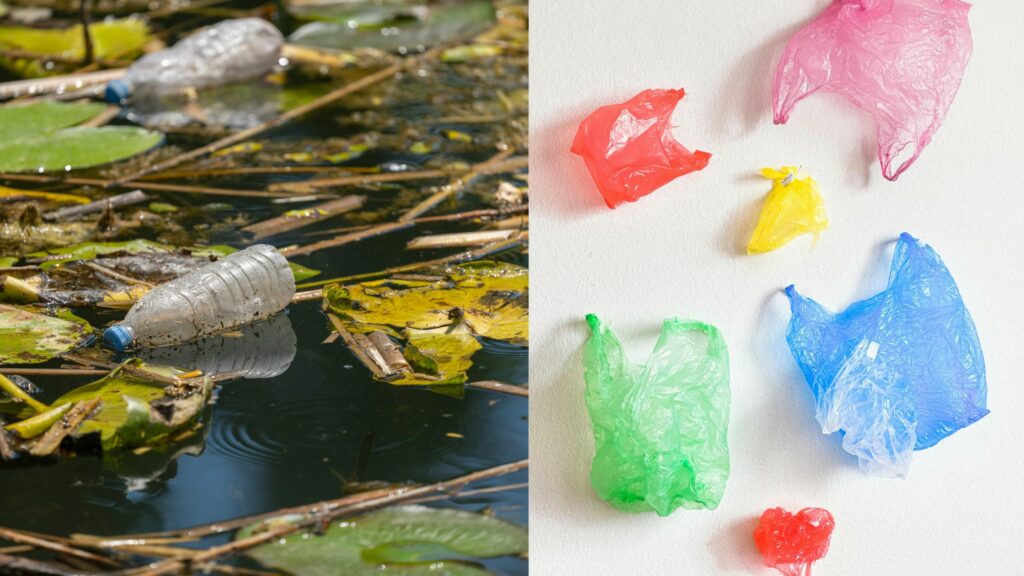
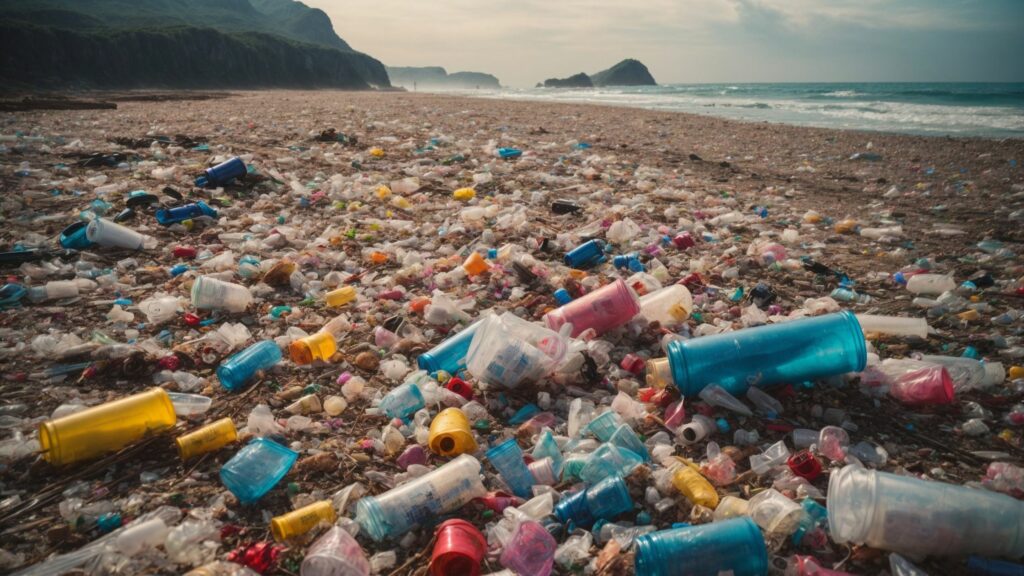
Plastic takes hundreds of years to decompose, and in the process, it breaks down into tiny microplastics that persist in the environment. These micro plastics contaminate soil and water, harm marine life, and are even found in human bloodstreams. Moreover, plastic production contributes significantly to greenhouse gas emissions, accelerating climate change.
Beyond environmental damage, plastic waste also creates socio-economic issues, especially in countries without proper waste management systems. Landfills overflow, burning plastic pollutes the air, and communities near dumping sites suffer from poor health.
Also read: Best Solutions to the Plastic Waste Problem
Common Sources of Plastic in Daily Life
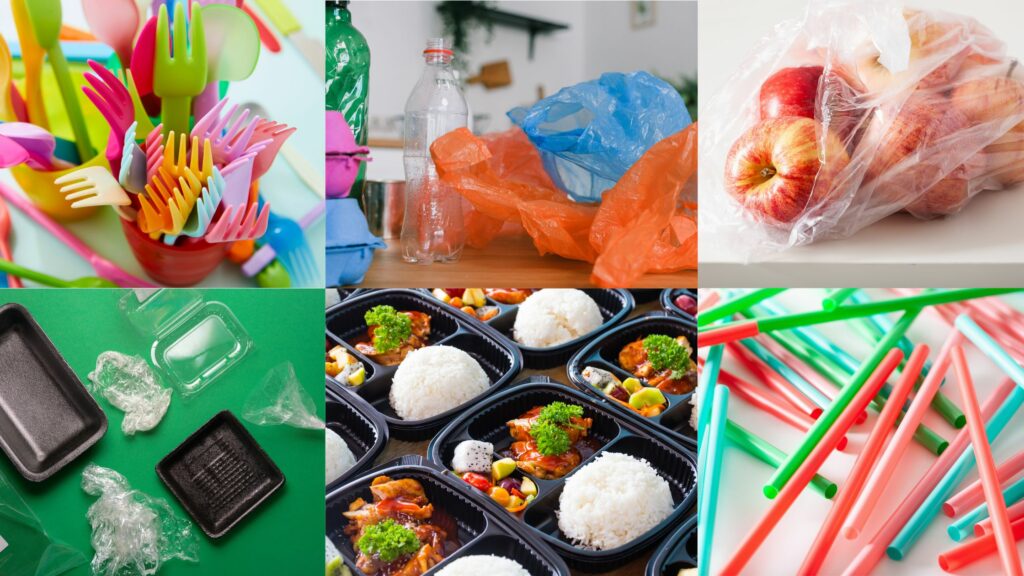
Many people are unaware of just how much plastic they use every day. Here are some of the most common sources:
- Plastic bags from grocery and retail stores
- Bottled water and beverages
- Food packaging and takeout containers
- Toiletries and cosmetics in plastic bottles
- Single-use cutlery, straws, and plates
- Online shopping packaging
- Household cleaning supplies
- Synthetic clothing and textiles
Simple Daily Swaps to Reduce Plastic Use
Reducing plastic in daily life doesn’t require a complete lifestyle overhaul. Start with small, manageable swaps and build habits over time.
1. Reusable Shopping Bags
Replace plastic grocery bags with cloth or jute bags. Keep a few reusable bags in your car or backpack so you’re always prepared.
2. Say No to Bottled Water
Invest in a good-quality stainless steel or glass water bottle. Use filtered water at home or refill stations while out.
3. Ditch Single-Use Cutlery
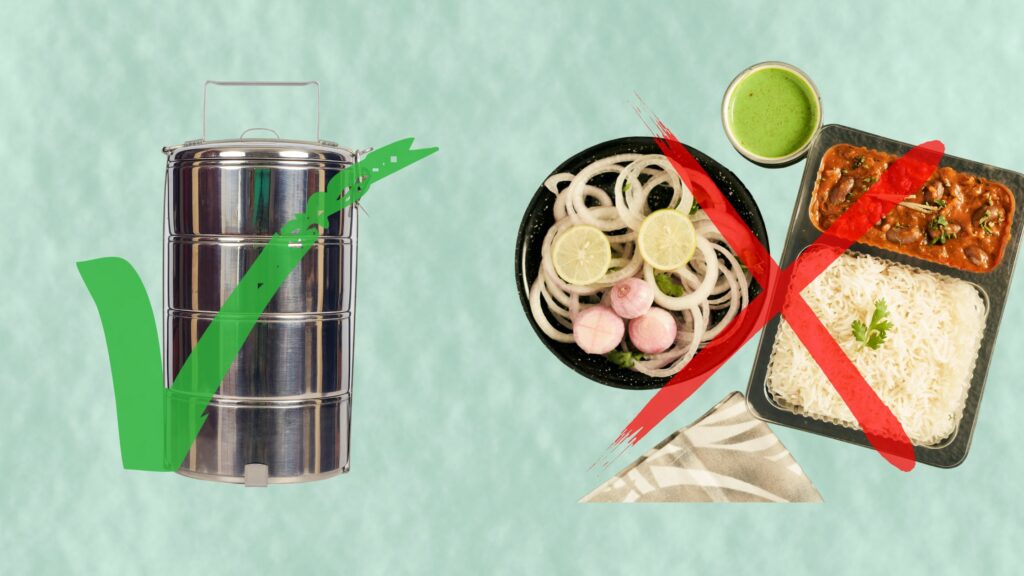
Carry a travel cutlery kit made of bamboo or stainless steel. This is especially useful for office lunches or street food.
4. Choose Bulk and Loose Produce
Buy grains, spices, and snacks from bulk stores that allow you to use your own containers. Opt for fruits and vegetables without plastic wrapping.
5. Use Bar Soaps and Shampoo Bars
Solid soaps, shampoos, and conditioners often come with zero or minimal packaging and last longer than liquid versions.
6. Switch to Glass or Metal Containers
Store leftovers and dry goods in glass jars or metal tins instead of plastic boxes or zip-lock bags.
7. Buy in Bulk or Concentrates
Buying larger quantities of products or using refill stations for items like detergent reduces packaging waste.
Sustainable Alternatives Worth Trying
The market for eco-friendly alternatives is growing. Here are some useful plastic-free products to consider:
- Beeswax wraps instead of cling film
- Compostable trash bags
- Bamboo toothbrushes
- Refillable deodorant and cosmetics
- Wooden or metal combs and razors
- Plant-based cleaning sponges
- Fabric menstrual pads or menstrual cups
Tips for a Plastic-Free Kitchen
The kitchen is one of the most plastic-heavy areas in the house. Here’s how to make it more sustainable:
- Avoid individually wrapped items and go for bulk snacks
- Store food in glass jars, not plastic tubs
- Use cloth napkins instead of paper towels
- Compost food scraps to avoid plastic trash bags
- Replace plastic dish scrubbers with coconut or natural fibre brushes
Reducing Plastic While Eating Out
Dining out often leads to unintentional plastic use. To avoid it:
- Carry a reusable water bottle and straw
- Say no to plastic cutlery or napkins with your takeaway
- Ask for drinks without plastic stirrers or lids
- Bring your own food containers for leftovers
Involving Family and Community
Encouraging friends and family to join the plastic-free movement amplifies the impact. Organise local clean-up drives, workshops, or zero-waste challenges. Support businesses that use eco-friendly packaging and write to brands urging them to cut down on plastic use.
Teaching children early on about the environmental cost of plastic helps nurture long-term sustainable habits.
Policy Support and Corporate Responsibility
While individual efforts are crucial, real change must come through systemic reforms. Governments must regulate single-use plastics, and corporations need to adopt sustainable packaging and manufacturing practices. Consumers can support these efforts by voting with their wallets – buying from ethical brands and avoiding plastic-heavy products.
The Plastic-Free Mindset
Being plastic-free isn’t about perfection. It’s about awareness, progress, and intention. Every plastic item you refuse, reuse, or replace contributes to a cleaner, healthier planet.
The goal is not to eliminate every trace of plastic from your life overnight but to make thoughtful decisions that, over time, reduce your environmental footprint.
Conclusion
The plastic-free movement is a global call to action, but it begins at home. By adopting a few simple changes in your daily routine, you can make a real difference. From switching to reusable bags to supporting zero-waste brands, your choices matter. As more people join this movement, the world moves closer to a sustainable, plastic-free future.
Also Read: Plastic Pollution: World is Drowning in Plastic Pollution

