


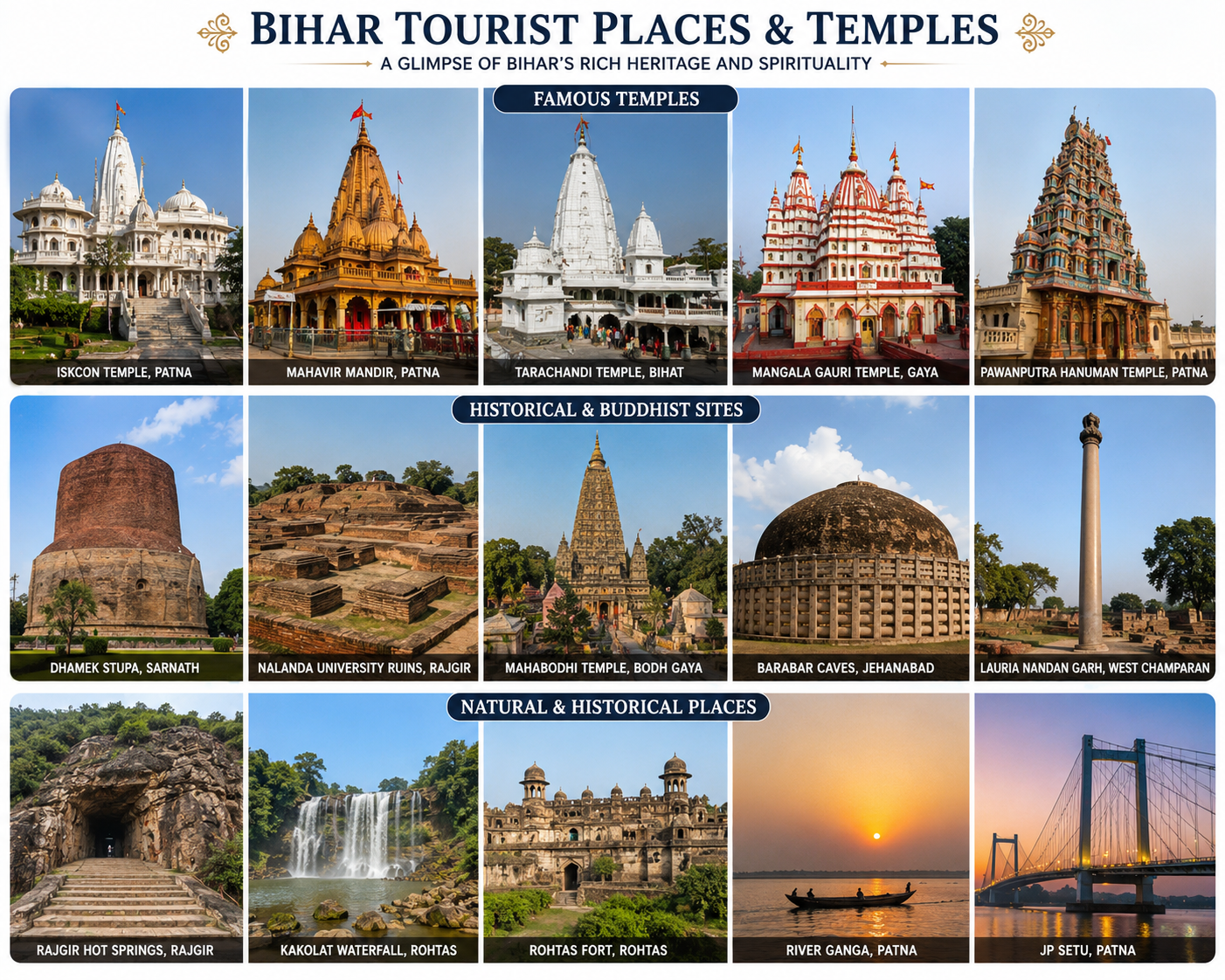
Tourism in Bihar holds a unique position in India’s tourism landscape because of the state’s deep historical, cultural, and religious roots. Bihar is the land of ancient civilizations, powerful empires, and spiritual movements that shaped not only India but also large parts of Asia. From Buddhism and Jainism to ancient universities and freedom struggle sites, Bihar’s tourism heritage is exceptionally rich
Despite this, tourism in Bihar has not developed in proportion to its historical importance. Poor infrastructure, weak promotion, and governance challenges have kept the sector underperforming. Yet, with focused planning and investment, tourism in Bihar can emerge as a major driver of employment, income, and regional development.
Current State of Tourism in Bihar
At present, tourism in Bihar is underdeveloped but steadily growing. The state receives a significant number of domestic tourists, mainly pilgrims, while foreign tourist inflow remains limited and concentrated in a few locations. Data trends show that:
- Bihar receives over 3–4 crore domestic tourists annually, largely for religious and cultural reasons.
- Foreign tourist arrivals form a very small share and are mostly concentrated in Bodh Gaya, due to its global Buddhist significance.
- In 2024, around 7.36–7.37 lakh foreign tourists visited Bihar, showing a strong rebound after the pandemic and growth compared to previous years.
- Tourism’s contribution to Bihar’s economy remains much lower than the national average, indicating underutilization of potential.
Tourist inflow is seasonal and site-specific, which means economic benefits are unevenly distributed and limited in duration.
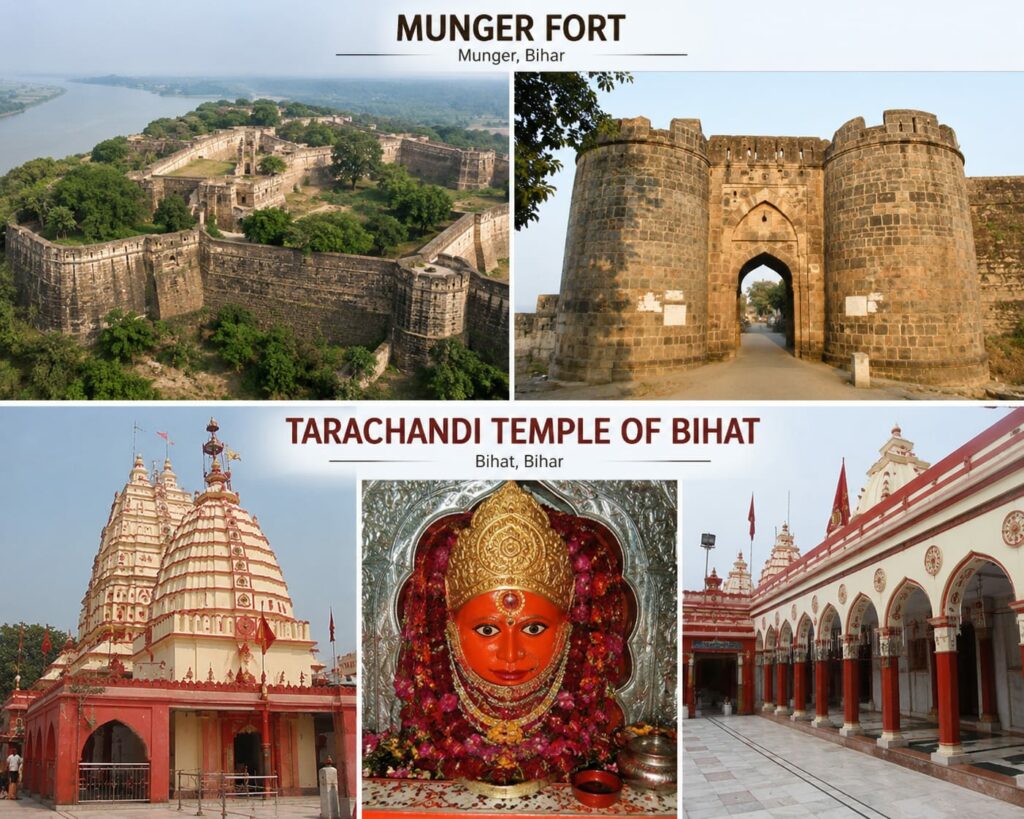
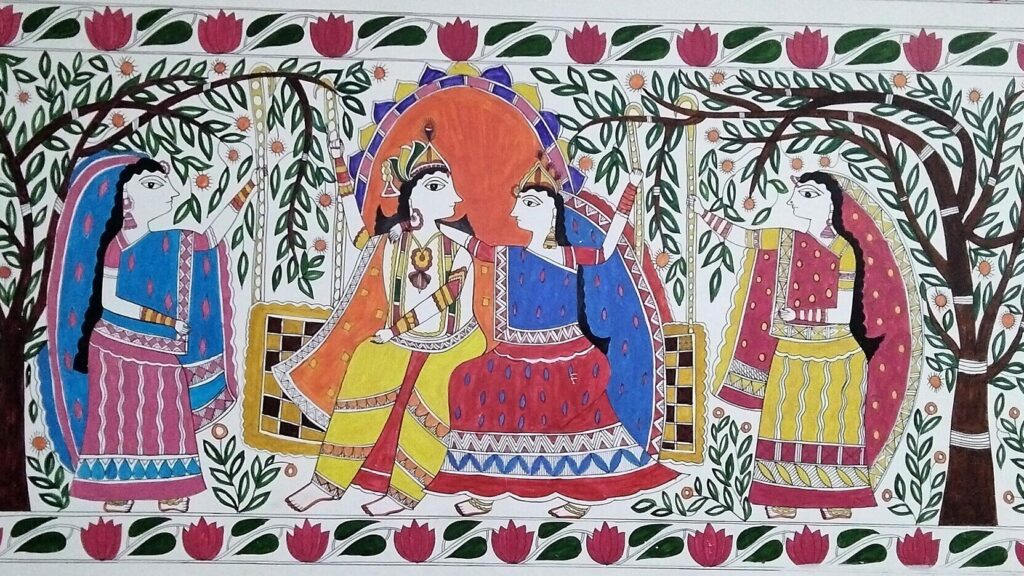
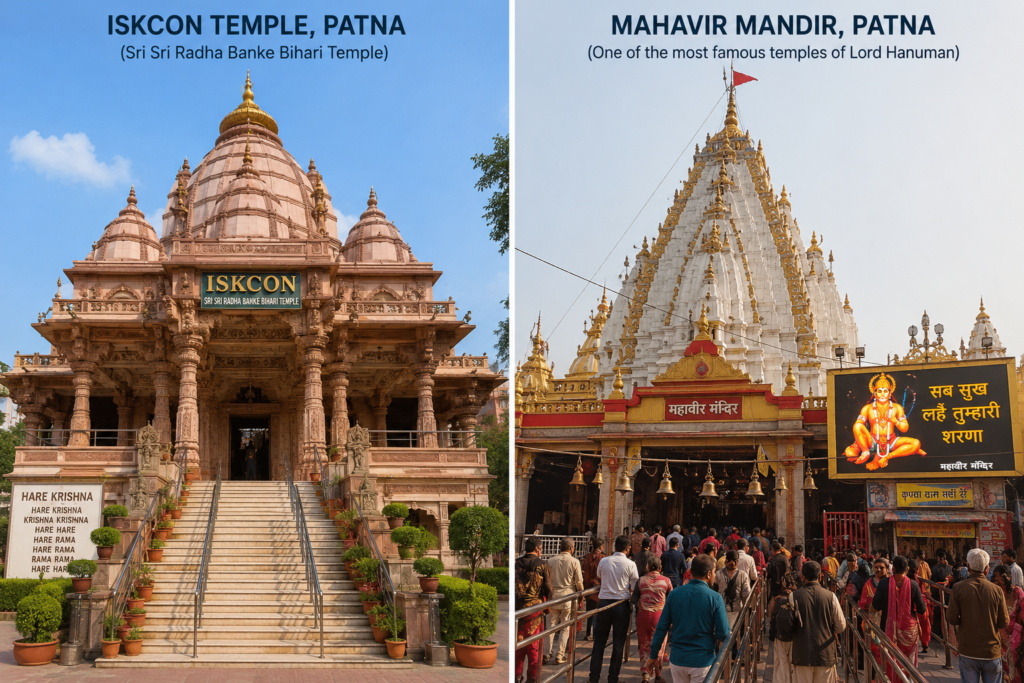
Tourism Potential in Bihar
- Religious Tourism:
- Bodh Gaya – Buddha’s enlightenment site, attracts millions globally.
- Nalanda & Rajgir – Ancient Buddhist learning centers.
- Vaishali – Birthplace of Lord Mahavira, central to Jainism.
- Cultural Heritage: Patna’s museums, ancient ruins, and Mughal-era sites.
- Eco-Tourism: Hills, rivers, and wildlife sanctuaries are being promoted.
- Adventure Tourism: Trekking and rural tourism initiatives showcased at SATTE 2026.
Also read: Most Fascinating Facts About Nalanda University
Reasons for Backwardness of Tourism in Bihar:
Despite rich potential, tourism in Bihar remains backward due to structural weaknesses.
The most important issue is poor infrastructure, including roads, accommodation, sanitation, and last-mile connectivity at tourist sites. Many heritage locations lack basic facilities.
Weak marketing and branding have also hurt tourism. Bihar’s image is not promoted effectively at national and international levels, unlike other states with similar heritage.
Law and order concerns, though improved in recent years, have historically discouraged tourists. In addition, limited private sector participation and low investment in hospitality have constrained growth.
Key constraints (brief):
- Inadequate infrastructure
- Poor promotion and branding
- Limited tourist facilities
- Concentration on few sites only
Government Initiatives to Boost Tourism in Bihar:
The Bihar Government has identified tourism as a priority sector and has taken several policy and infrastructure measures to strengthen tourism in Bihar, especially after 2015.
One major initiative is the development particularly the Buddhist Circuit, connecting Bodh Gaya, Rajgir, Nalanda, and Vaishali. This circuit is actively promoted to attract foreign tourists from Buddhist countries.
To improve accessibility, the state has introduced tourist bus services connecting major tourist destinations and improved road connectivity to heritage sites. The government has also promoted river and water-based tourism, including projects like the Karamchat Dam houseboat initiative, aimed at diversifying tourism beyond religious sites.
Budgetary allocation for tourism has increased steadily in recent years. In the Bihar Budget 2025–26, the tourism department’s allocation was increased significantly from around ₹462.44 crore in 2024–25 to over ₹1,103 crore, marking more than a 2.5-fold rise to boost tourism infrastructure and services.
- Infrastructure at tourist destinations
- Tourist amenities such as guest houses, interpretation centers, and ghats
- Promotion through festivals, fairs, and digital platforms
Special emphasis has been laid on public–private partnership (PPP) for hotels, resorts, and tourism services. Together, these initiatives reflect a shift from neglect to planned tourism-led development in Bihar, though outcomes are still evolving. Ent in hotels, resorts, and tourism services have been introduced to improve tourist experience and employment generation.
Conclusion
Tourism in Bihar is a sector of immense promise but limited performance. The state possesses globally significant religious, cultural, and historical assets that very few regions in the world can match. However, poor infrastructure, weak promotion, and policy gaps have kept tourism underdeveloped. Wit focused governance, infrastructure investment, and diversification, tourism in Bihar can emerge as a powerful tool for economic growth, employment generation, and cultural diplomacy. Developing tourism is not just about attracting visitors; it is about reclaiming Bihar’s rightful place in global history and heritage.
Also Read: 8 Famous Places to Visit in Varanasi: Where Time and Faith Flow Together

