


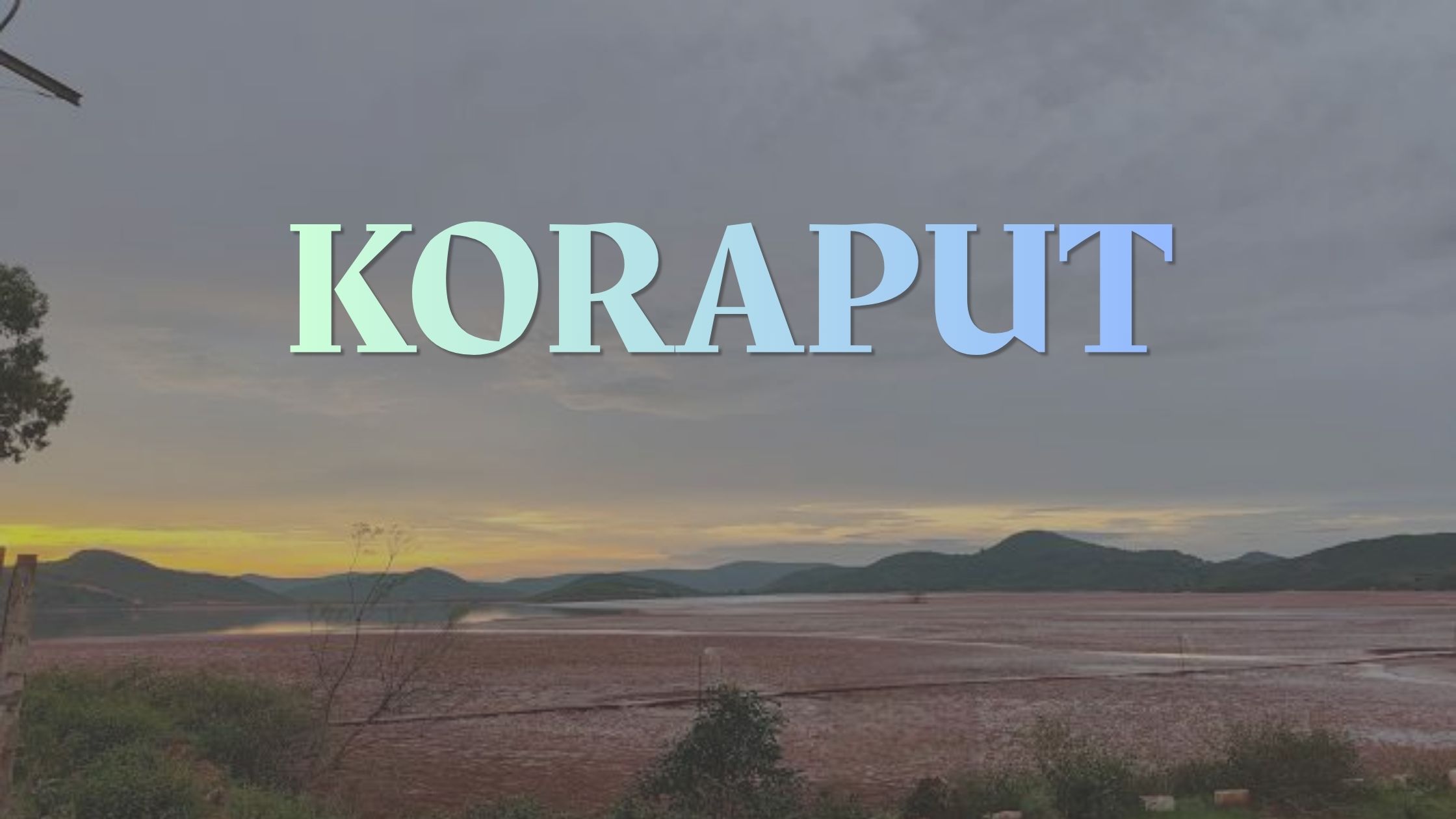
During the eighties, the hills and hillocks were green with Cashew nut trees and other vegetation and undergrowth. We used to walk past the foot ways to reach the Shiva temple constructed on top of the hill near Chikapaar, about 15 Km from Koraput district headquarters, Odisha. Sometimes, we used to collect the cashew nuts on our way to the temple and eat them on the way.
Then within a few years, all the trees were gone. No idea what happened and we could see the hills completed bald and denuded. Sighting of various birds like Mynah, Sparrows, Pigeons, Eagles, Vultures were a common sight.
Deforestation and Soil Erosion
The footways were clearly visible from a distance, the landscape had changed completely, looking all brown. There were more pebbles and moorum on the foot hills. Heavy soil erosion had taken place and even the forest undergrowth was gone and which never regenerated due to the complete loss of the top soil. During the rainy season, it was even worse for the devotees to climb up the hill and do the puja at the Shiva temple. This was a classic case of deforestation and environmental disaster, which we could witness as a child some four decades ago.
Mining and Unplanned Development
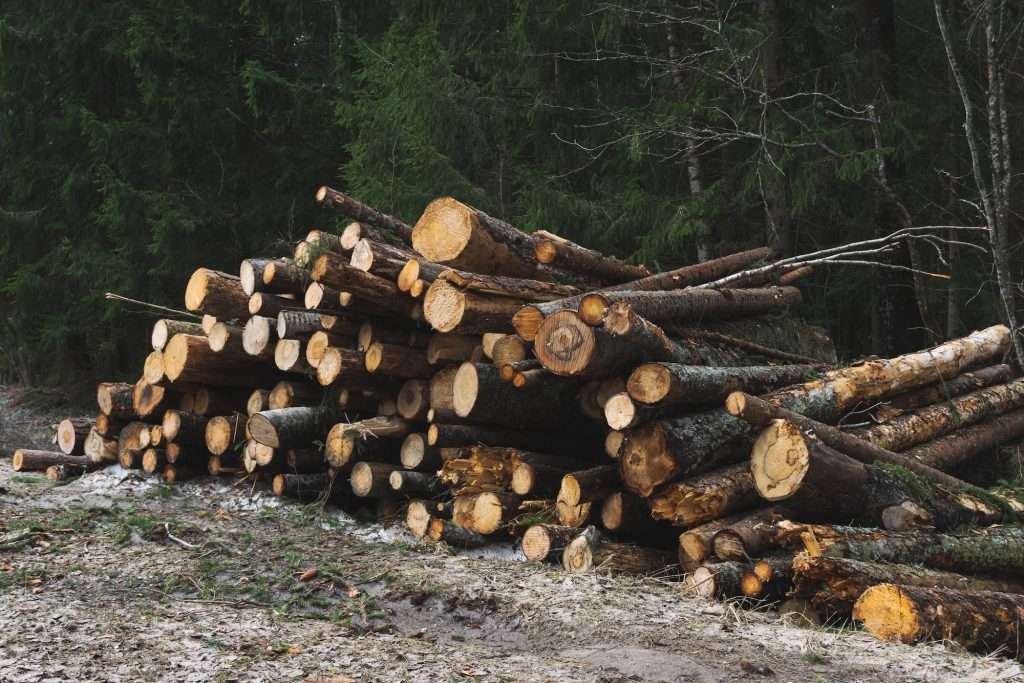
Within another decade, the entire Koraput district hills all looked bald and denuded. Massive deforestation due to mining in the nearby Damanjodi area and unplanned development was responsible for all the local devastation to the landscape.
The entire biodiversity of the region was affected including the flow of streams and rivers nearby. The Government, especially the Soil Conservation Department tried to do some afforestation project with planting of Agave sisaliana but these were all failure projects, excepting a few roadside plantation projects.
Also read: Pancham: A Journey To The Nondescript Tribal Village
Impact on Biodiversity and Agro-Ecology
The fragile agro-ecology of the district was impacted adversely and we could observe the significant reduction in the number of flora, fauna, insects, reptiles and birds. For example, the Grewellia robusta (Silver Oak trees) and the Eucalyptus inflorescence had a lot of honey but now either the size of the inflorescence is reduced or the honey is almost non-existent.
Loss of Traditional Livelihoods
Charcoal was available during the eighties and nineties but no longer now. Local tribal communities used to sell the Charcoal at Sunabeda and earn a few money. But now, this livelihood option is no longer there. We could find Sloth Bears, Squirrels, Hare, Deer, Wild Boar, Jackals and snakes earlier and even eagles and vultures. But now, their number is very limited.
Changes in Rainfall and Climate
It used to rain continuously for days and weeks together. It used to rain heavily during the monsoon season for four months. The average annual rainfall was over 1200 mm. We used to not even go outside and buy our provisions and vegetables from the market. Our schools used to be closed due to the heavy rains. There would be rainfall continuously for seven days at a stretch.
However, now, the rainfall in the region had reduced considerably with more number of dry spells and acute shortage of drinking water. Summers were hot and winters were warm.
Rising Temperatures and Lifestyle Changes
I remember, we used to not even switch on the fans even during the summer months. But now, it is difficult to live in the houses without fans, coolers and AC. Even, I do not find people wearing warm clothes like sweater and shawls even during peak winter months.
Climate Change and Health Impacts
Climate change impacts are evident, triggered by unplanned development and rampant destruction to the forests and natural resources. Incidences of Gastro Enteritis, Cholera, Diarrhea, Meningitis, Malaria and other vector-borne diseases were on the rise in the district with many human causalities, primarily not reported. These could be clearly attributed to the changing climate and human interferences.
Neglect of Local Communities
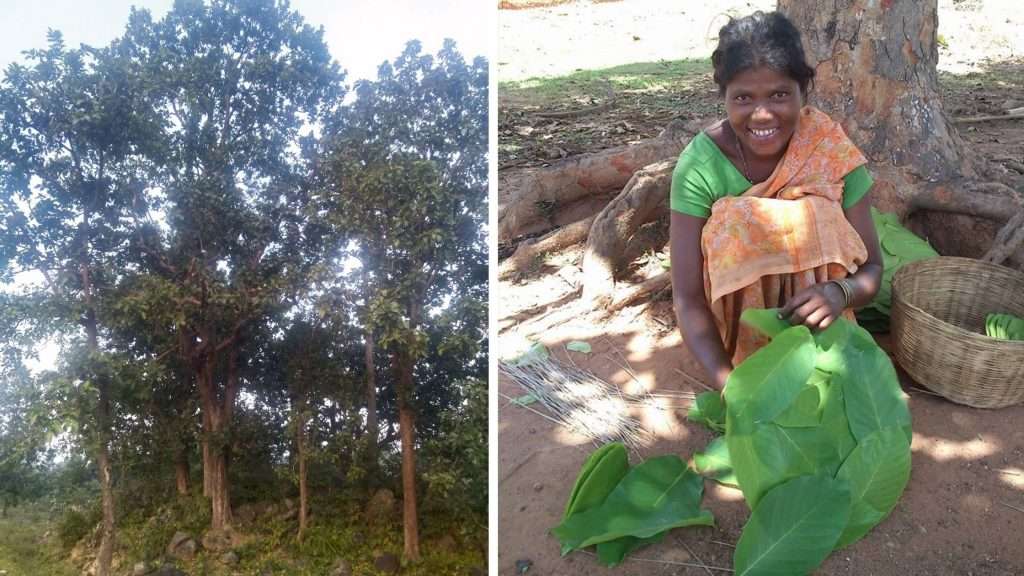
The local communities were never consulted during the entire process and were mere spectators to the entire devastation process. The local communities suffered due to the loss of forest cover as they depend on the forest for many things including food, firewood, fodder etc. The Government, Public Sector Undertakings like HAL and NALCO, private sector and political leadership never bothered about it and turned a blind eye towards all the destruction process.
Loss of Medicinal Plants and Traditional Knowledge
Koraput region was rich in many medicinal plants and herbs. But now they are no longer to be found. These have been systematically documented in the District Gazettes by a Forest Officer.
However, if we make an assessment of the medicinal plants currently available now in Koraput district, we would find out what all we have lost. The local traditional knowledge available with the “Dissary” (traditional healers) and village elders and women on the simple home treatments for common diseases etc., is more or less lost. They used to treat the local communities with little or no cost from the local herbs and medicinal plants. But now, people have to depend on the allopathic systems, which is costly, most of the times.
Also read: Exploring the Juang Tribe: Culture, Livelihoods, and Food Security

