


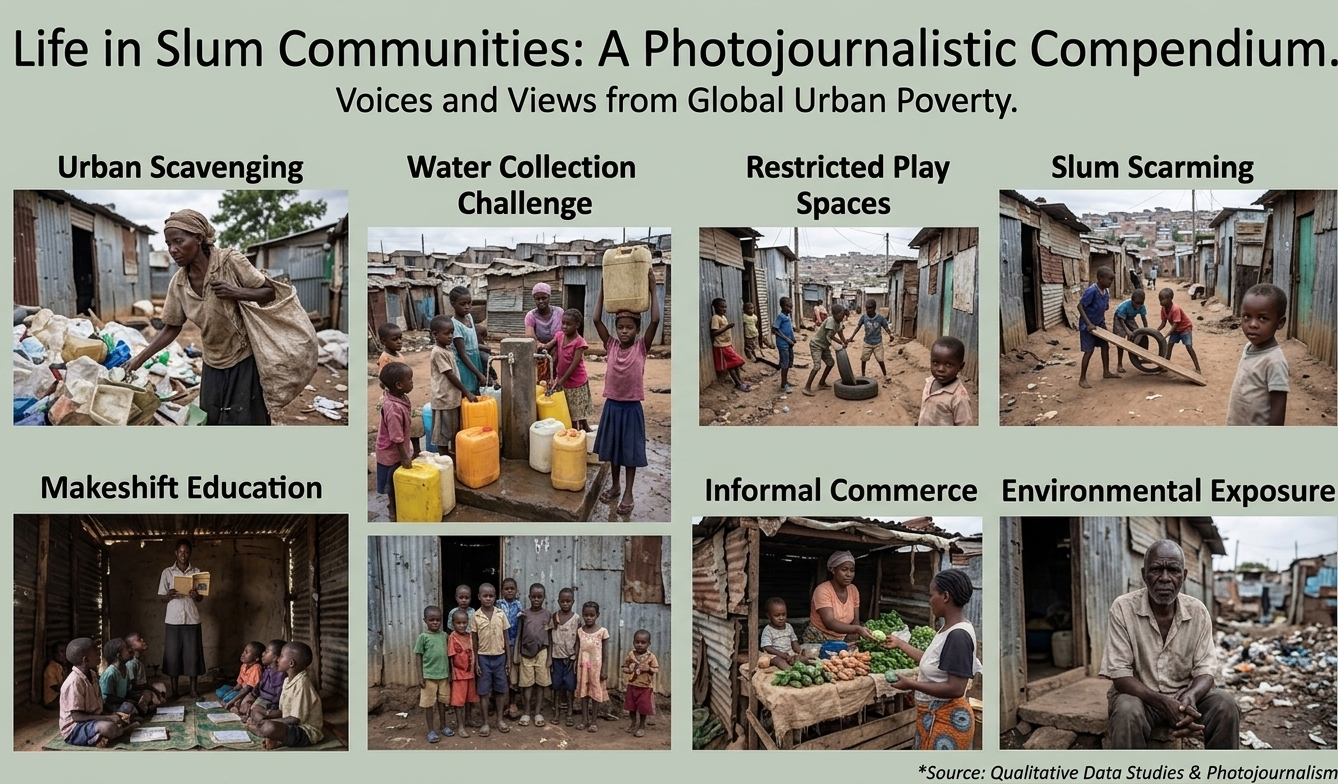
History of higher education in India as old as ancient universities like Nalanda, Taxila, Vikaramshila. These centers made India a global hub of learning. This wasn’t possible without the flourishing system of female education along with male education. But female education in India has undergone a fascinating and complex journey. girl’s education is a crucial concept of societal development, yet it remains significantly challenged in disadvantaged areas .while Higher Education serves as a beacons of progress, their proximity does not always translated into improve red educational outcomes for girls in neighboring communities.

Historical Background of Higher Education in India
India has a rich tradition of higher education dating back thousands of years. The development of higher education can be understood through different historical periods.
1. Ancient Period (Vedic and Buddhist Era)
Education was imparted through the Gurukul system, where students lived with their teachers (gurus).Subjects included philosophy, religion, mathematics, astronomy, medicine, and literature. Renowned ancient universities such as Nalanda University, Taxila University, and Vikramashila University attracted students from different parts of Asia. Education emphasized holistic development, moral values, and intellectual growth.
2. Medieval Period
Education was influenced by Islamic traditions. Madrasas and Maktabs became important centers of learning. Subjects included theology, law, literature, mathematics, astronomy, and languages such as Persian and Arabic. Hindu educational institutions also continued to function alongside Islamic institutions.
3. Colonial Period (British Rule)
Modern higher education began under British administration. Macaulay’s Minute on Education promoted English-medium education. Wood’s Dispatch is often called the “Magna Carta of English Education in India.” In 1857, universities were established in Calcutta, Bombay, and Madras. Higher education focused mainly on producing administrative personnel for the colonial government.
4. Post-Independence Period (After 1947)
Expansion of universities and colleges across the country. Establishment of the University Grants Commission in 1956 to coordinate and maintain standards in higher education. Creation of premier institutions such as Indian Institutes of Technology and Indian Institutes of Management. Increased focus on scientific research, technical education, and social inclusion.
5. Contemporary Period
Rapid growth of public and private universities. Emphasis on digital learning, multidisciplinary education, skill development, and research. Implementation of the National Education Policy 2020 to transform higher education through flexibility, innovation, and global competitiveness.
Also read: NEP 2020 and Its Impact on Indian Education System
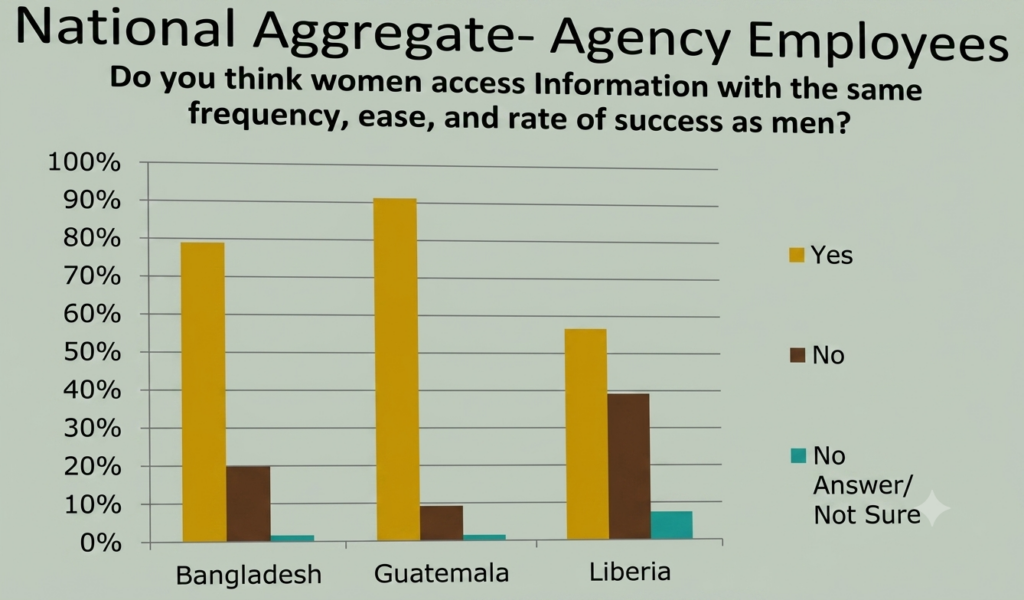
Girls living in marginalized communities often face multiple barriers that limit their access to quality education. Some major challenges include:
1. Poverty and Economic Constraints
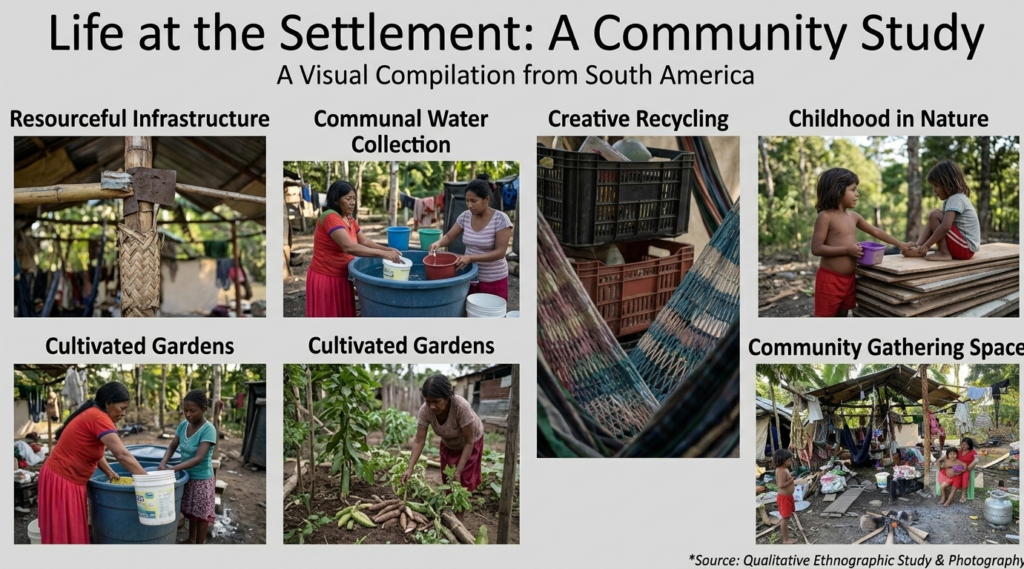
Families may prioritize boys’ education over girls due to limited financial resources. Girls are often required to contribute to household work or income-generating activities. Girls are heavily relied upon for unpaid care work—fetching water from miles away, gathering firewood, cooking, and babysitting younger siblings enabling their parents to work in fields .
2. Gender Discrimination
Traditional beliefs and patriarchal norms may view girls’ education as less important than boys’ education. Expectations of early marriage and domestic responsibilities reduce educational opportunities. From childhood, girls are socialized to believe their ultimate fulfillment lies in being a wife and mother. n highly patriarchal communities, girls have little to no say in their own life paths. Decisions regarding their mobility, social circles, and future are entirely dictated by male guardians or elder family members, neutralizing a girl’s personal ambition to study.
3. Early Marriage and Adolescent Pregnancy
Many girls leave school due to child marriage or pregnancy. Married girls often face social pressure to discontinue their education and Once a girl is married, she enters a completely different social category. She is suddenly expected to manage a household and prove her fertility.
4. Lack of Educational Infrastructure
Schools may be located far from villages, making travel difficult and unsafe. Inadequate classrooms, teaching materials, and learning facilities affect educational quality. The absence of female educators in remote schools removes vital role models for girls. Furthermore, many conservative parents will refuse to let their developing daughters be taught exclusively by men, especially in unsupervised environments.
5. Safety and Security Concerns:
For girls in disadvantaged communities, the journey to and from school and sometimes the school environment itself—can be a threats. Fear of harassment, violence, or unsafe travel routes discourages school attendance. When a community becomes unsafe parents instinctively revert to a protectionist mindset. Because a compromised reputation or physical harm severely damages a girl’s marriageability, parents prefer to lock them indoors, withdrawing them from school entirely to protect them.
6. Poor Sanitation and Menstrual Hygiene Facilities:
Millions of girls in marginalized areas miss up to 20% of the school year simply because they are menstruating. Without clean, private, and secure toilets with running water, managing a period at school is humiliating and unhygienic. with the lack of a private space to change or dispose of materials, forces girls to stay home for 4 to 5 days every month. Eventually, falling so far behind academically leads them to drop out completely.
7. Cultural and Social Barriers:
As soon as a girl hits puberty, her freedom of movement is drastically curtailed. The community begins to hyper-scrutinize her interactions. To prevent any perceived “moral compromise,” communities enforce strict boundaries that keep girls localized to the domestic sphere. Certain communities restrict girls’ mobility and participation in public life. Social norms may discourage higher education for girls.
8. Limited Access to Technology:
During emergencies, pandemics, or localized school closures, education transitions to digital platforms. Girls in marginalized areas often have less access to smartphones, computers, and internet connectivity. The digital divide became particularly evident during online learning periods.
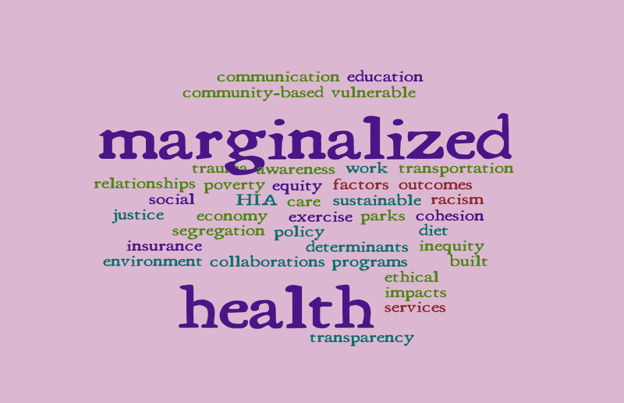
To truly solve this issue, interventions cannot just focus on one element. Building a school does not help if girls are kept home to fetch water; providing free tuition does not work if there are no private toilets for them when they menstruate. True progress requires an integrated approach that addresses infrastructure, economic policy, and cultural mind shifts simultaneously.
Also read:Food Security – Understanding “The Pillars” And Nuances
Conclusion
The history of higher education in India reflects a transition from the ancient Gurukul and university traditions to modern, technology-driven institutions. Throughout its evolution, higher education has played a crucial role in preserving knowledge, promoting social progress, and supporting national development. Girls’ education in marginalized areas is affected by economic, social, cultural, and infrastructural challenges. Addressing these barriers requires coordinated efforts from governments, communities, schools, and families to ensure equal educational opportunities and empower girls for social and economic development.
Also read:Basic Lifestyle Changes for Cancer Survivors, Myth and Facts You Should Know

