


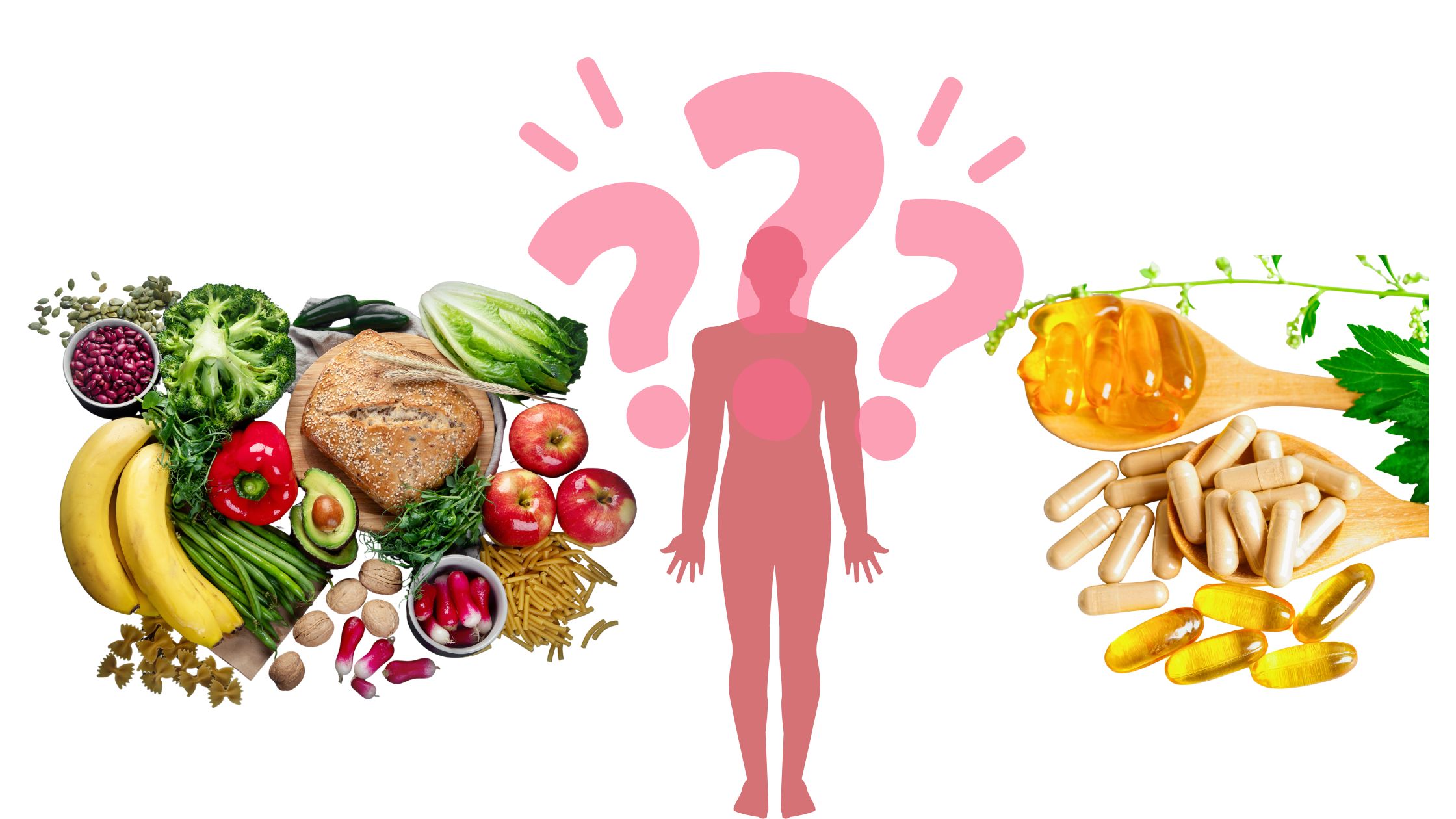
There was a time when a meal did not include powders, pills, or promises in a bottle. Today, the story has shifted. Shelves are lined with supplements claiming to repair what diets lack. But somewhere along the way, people may have mistaken support for substitution.
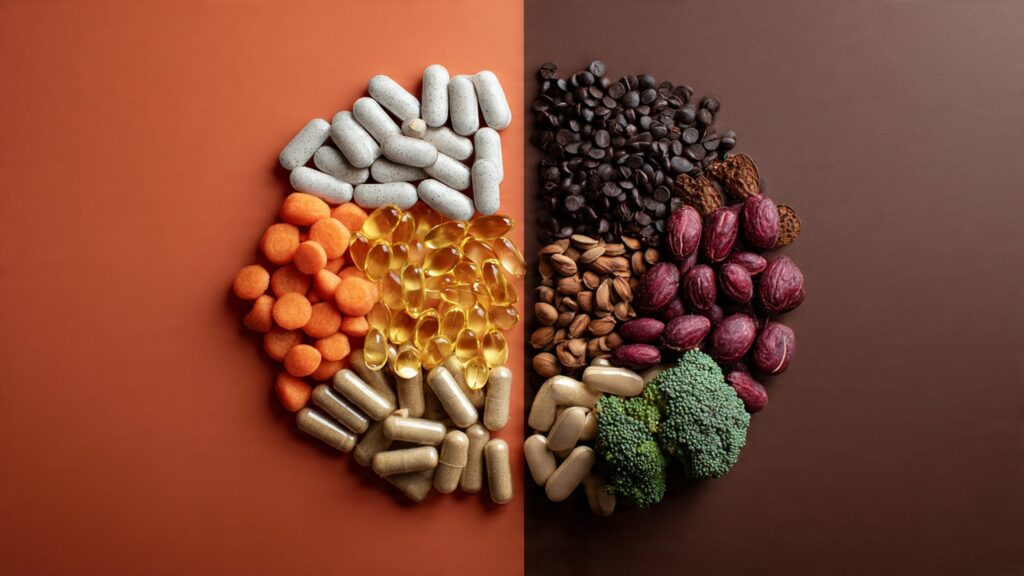
The Power of Whole Foods
Whole foods have long been the quiet workhorses of health. They do far more than simply deliver nutrients. Inside a handful of greens or a bowl of grains lies a complex network of fibre, enzymes, fats, and plant compounds working in harmony. This natural process shapes how the body absorbs and uses what it receives.

Food carries a context that supplements simply cannot replicate. It is not just about what you consume, but how those nutrients are delivered and processed by the body. Take something as simple as iron from leafy vegetables, it is accompanied by vitamin C and supportive compounds that aid absorption. Proteins from whole foods come balanced with amino acids and fats. Also, fibre, often overlooked, plays a vital role in gut health, something no capsule can truly replicate.
Aslo Read: Importance of Fruits and Vegetables in Regular Diet for a Healthy Body
Why Supplements Have Become Common
However, supplements are becoming common in modern living. Irregular meals, long working hours, and convenience-driven diets have disrupted traditional eating patterns. Add to that declining soil quality, and even familiar foods may not deliver the same nourishment they once did.

Even when we eat well, stress and lifestyle factors can affect how nutrients are absorbed. This is where supplements begin to play a role, not as replacements, but as support. According to the National Institutes of Health (NIH), several nutrient deficiencies remain common even in modern diets, particularly vitamin D, iron, vitamin B12, calcium, magnesium, potassium, folate, and iodine. The NIH suggests that while these deficiencies are widespread, they are largely preventable through a varied, nutrient-rich diet, with supplements used selectively to address specific gaps rather than as a replacement for whole foods.
Support, Not Shortcut
The trouble begins when supplements are seen as an easy fix.
“A tablet cannot make up for a fibre-poor diet. Protein powders cannot correct a complete imbalance. And certainly, no supplement can undo the effects of poor sleep, chronic stress, or inactivity,” she says. This growing dependence creates a dangerous illusion that health can be outsourced to a bottle. Supplements should never become a way to compensate for poor habits. They are most effective when used intentionally, based on actual needs, not trends.
What Needs to Change in the Way We See Supplements
Food Is More Than Nutrients
Whole foods provide a complete nutritional ecosystem, including fibre, enzymes, and bioactive compounds.
Supplements Cannot Fix Lifestyle Habits
No pill can replace balanced meals, adequate sleep, or regular movement. Treating supplements as quick fixes leads to misplaced confidence rather than meaningful health improvements.
Supplements Should Be Used Intentionally
Supplements should address specific deficiencies and should not be consumed simply to follow trends.
“The goal is not dependence on supplements, but informed use. Food remains the foundation, always,” she concludes.
FAQs on the Disadvantages of Relying on Supplements for Nutritional Needs
1. Can supplements replace a balanced diet?
No, supplements cannot replicate the full range of nutrients, fibre, and beneficial compounds found in whole foods.
2. What nutrients are missing in supplements?
They often lack fibre, antioxidants, and phytonutrients that are naturally present in fruits, vegetables, and whole grains.
3. Is it harmful to rely only on supplements?
Yes, over-reliance can lead to nutrient imbalances and may negatively affect overall health.
4. Can supplements cause side effects?
Yes, excessive intake of certain vitamins or minerals can lead to toxicity or unwanted side effects.
5. Do supplements get absorbed as well as food nutrients?
Not always — nutrients from whole foods are generally better absorbed due to their natural combinations.
Also Read: Junk Food Vs Healthy Food: Good and Bad

