


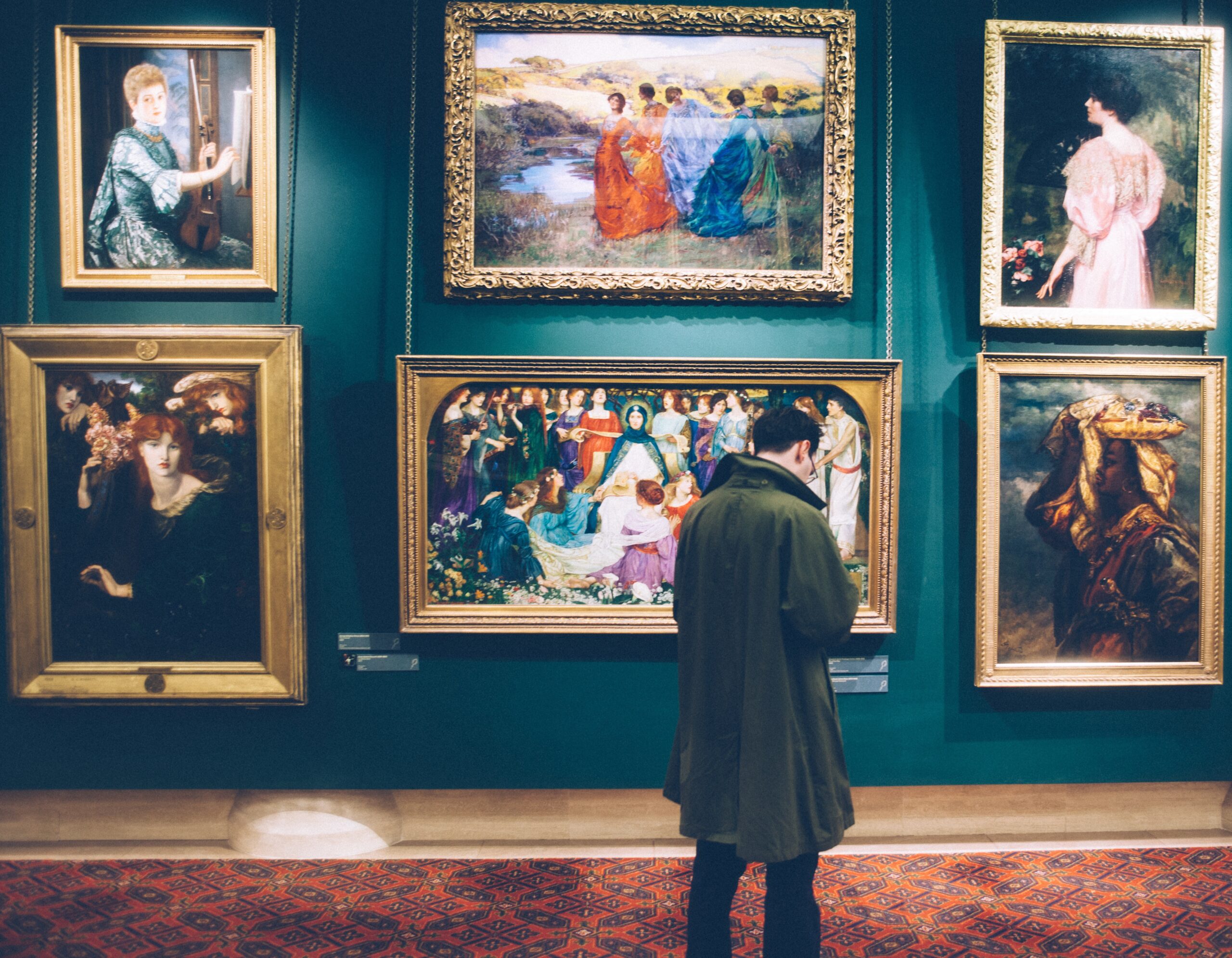
Museums are an important part of modern society because they help preserve history, culture, art, and knowledge for future generations. They are not just places where old objects are displayed; museums are educational and cultural spaces that allow people to learn about civilizations, traditions, creativity, and human achievements. In today’s fast-changing world, museums continue to remain relevant because they connect people with the past while also encouraging curiosity, learning, and cultural awareness.
They also provide a space where people from different backgrounds can come together to explore shared histories and experiences. Museums help communities understand how societies have evolved over time and how culture influences everyday life. Through exhibitions, collections, and educational programs, museums encourage people to think critically, ask questions, and appreciate the achievements of earlier generations. They play an important role in inspiring young minds and creating awareness about the importance of preserving heritage, art, and historical knowledge in an increasingly modern and digital world.
Museums Preserve Cultural Heritage
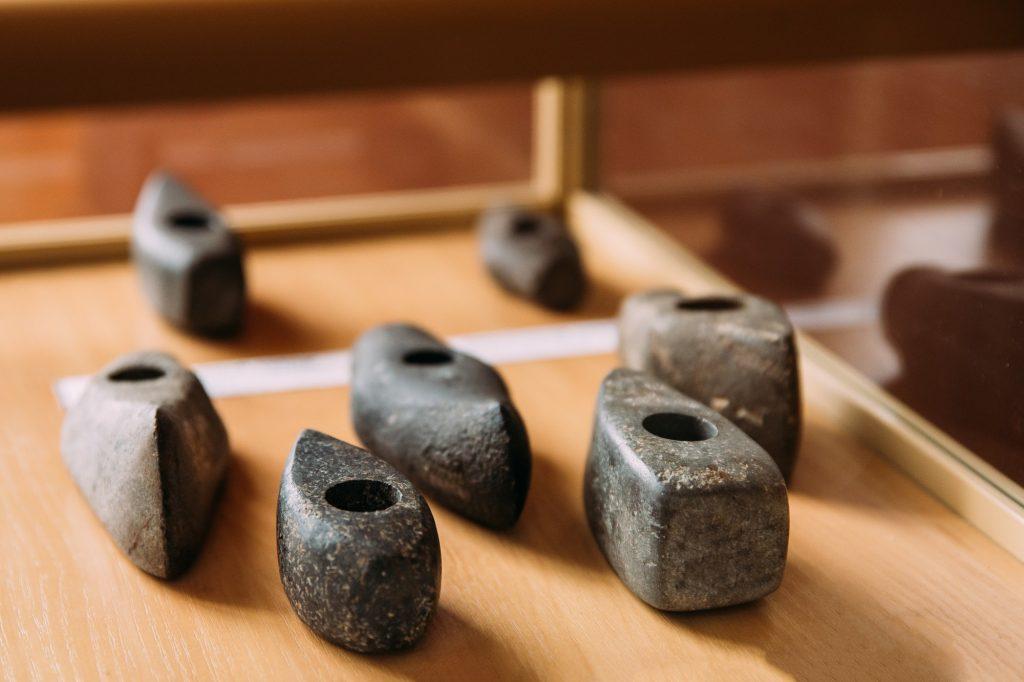
One of the biggest reasons museums matter is that they protect and preserve cultural heritage. Ancient sculptures, paintings, manuscripts, textiles, coins, tools, and historical artifacts are carefully maintained so future generations can understand the history and identity of different communities and nations. Without museums, many valuable objects and stories could disappear over time. Museums help keep traditions and memories alive by making them accessible to the public in meaningful ways.
Museums Support Education
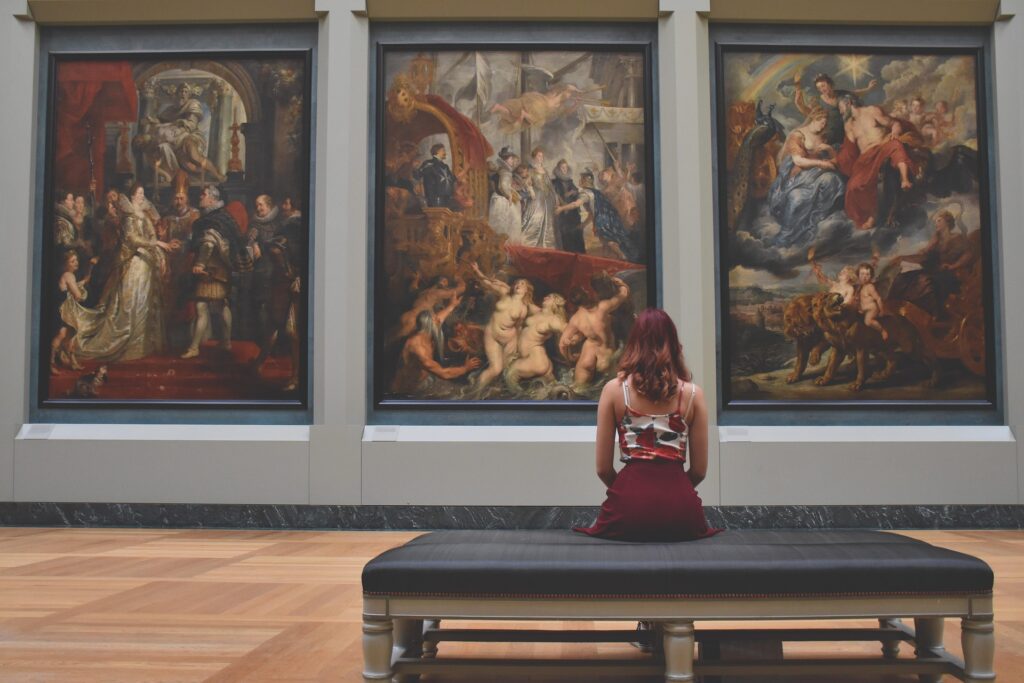
Museums are also important for education because they provide practical and visual learning experiences. Instead of only reading from textbooks, visitors can see real objects related to history, science, and art. This makes learning more engaging and easier to understand, especially for students and children. Many museums now include interactive displays, documentaries, audio guides, and digital experiences that make visits more interesting and informative for people of all ages.
Museums Inspire Creativity
In addition to education, museums inspire creativity and artistic appreciation. Artists, photographers, designers, and researchers often visit museums to study artistic techniques, cultural symbols, and historical styles. Seeing artworks and artifacts from different cultures and time periods can inspire new ideas and help people better understand the importance of creative expression. Museums encourage people to appreciate diversity in art, design, and culture.

Also Read: Danda Nata: A Traditional Dance Festival
Museums also help individuals develop a deeper emotional and intellectual connection with art and history. By observing original paintings, sculptures, and handmade objects closely, visitors can better understand the effort, creativity, and craftsmanship behind each work. This experience often inspires young artists and students to experiment with their own creative ideas and artistic styles. Many museums organize exhibitions, workshops, art talks, and cultural programs that encourage public participation and creative learning.
For creative professionals, museums serve as valuable sources of research and inspiration. Fashion designers may study traditional textiles and patterns, photographers may observe historical storytelling techniques, and architects may draw inspiration from ancient structures and decorative styles. Museums also introduce visitors to lesser-known artists, tribal traditions, and regional art forms that are often overlooked in mainstream media. This exposure helps preserve artistic diversity and encourages respect for different creative traditions from around the world.
Museums Promote Tourism
Museums also contribute to tourism and economic growth. Famous museums attract visitors from around the world and help promote cultural tourism. People travel to different cities and countries to explore museums that showcase local history and heritage. In India, places such as National Museum, Indian Museum, and Salar Jung Museum are popular attractions that introduce visitors to India’s rich cultural and artistic traditions.
Museums Encourage Cultural Understanding
Another important role of museums is promoting cultural understanding and social awareness. Museums display stories, objects, and traditions from different communities and civilizations, helping people understand and respect cultural diversity. In a globalized world where people from different backgrounds interact regularly, museums create opportunities for learning, reflection, and cultural exchange.
Modern Museums and Technology
Modern museums are also adapting to new technology and changing visitor expectations. Many museums now offer virtual tours, digital archives, augmented reality experiences, and online exhibitions that make knowledge accessible to people around the world. These innovations help museums stay engaging and relevant, especially for younger generations who are more connected to digital platforms.
Overall, museums matter in modern society because they preserve history, support education, inspire creativity, encourage tourism, and promote cultural understanding. They help people connect with the past while learning valuable lessons for the future. Visiting museums can be both educational and inspiring, making them an essential part of cultural and social development.
Museums also remind people of the importance of protecting heritage and respecting different cultures and traditions. They create spaces where knowledge, art, and history can be shared with people of all ages and backgrounds. In a world where technology and lifestyles are changing rapidly, museums continue to act as bridges between the past, present, and future. Whether someone visits a museum for learning, research, inspiration, or curiosity, the experience often leaves a lasting impact and encourages a deeper appreciation for human creativity, history, and cultural diversity.
Also read: Indian Handicrafts: Exploring the Rich Heritage of Madhubani, Pattachitra, and Warli Art

