



Agroforestry is transforming the fields, improving livelihood opportunities and restoring nature. In Anantapur district of Andhra Pradesh, farmers have stopped waiting for the monsoon to behave. For years, erratic rainfall and rising temperatures pushed many smallholders into cycles of debt and uncertainty. Crops failed. Soils thinned. Wells ran dry. The climate crisis was no longer an abstract debate, it was a lived reality.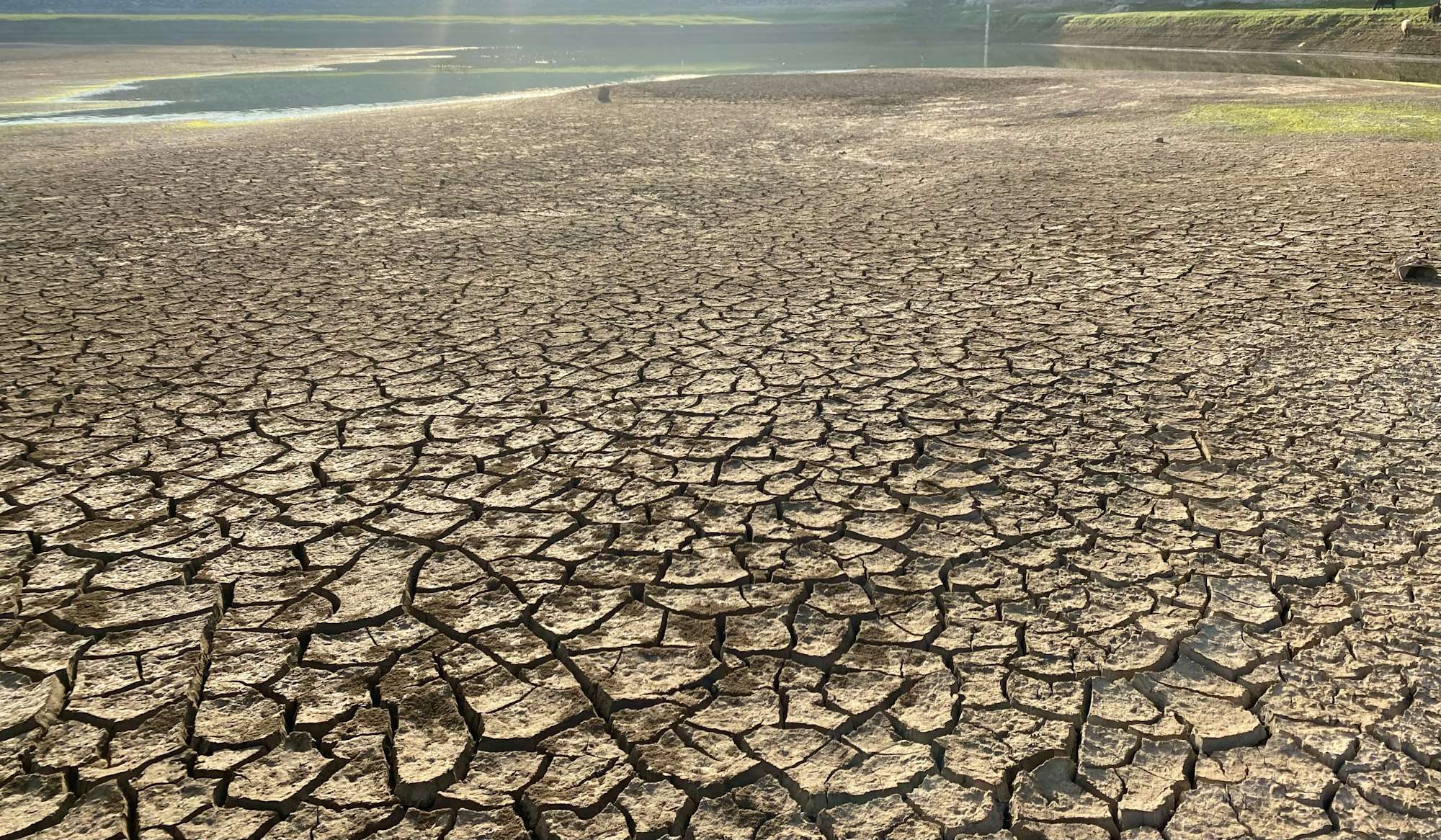
Today, something has shifted. On several farms, rows of Pongamia trees now stand between crops of millets and pulses. The trees are not ornamental. They are strategies. They are insurance. They are climate policy rooted in soil. This is agroforestry, integrating trees into farmland, and it may be one of the most transformative practical climate tools India already has.
Unlike conventional monocropping, agroforestry turns farms into multi-layered ecosystems. Trees moderate heat, reduce wind damage, hold soil in place and help retain moisture during dry spells. Their roots improve soil structure and increase groundwater recharge. Their leaves enrich organic matter. Farmers harvest not just grain, but fuelwood, fodder, fruit, oilseeds and timber over time.
This shift is already visible on the ground clearly in multiple areas. In parts of southern and central India, initiatives like SayTrees Environmental Trust’s agroforestry programme have supported over 25,000 farmers and planted more than 9 million trees across 20,000 hectares of farmland, helping diversify farm income while restoring soil health and climate resilience.
In parts of semi-arid India, including regions of Karnataka, Telangana and Andhra Pradesh, studies have shown that well-designed agroforestry systems can increase soil carbon and improve soil organic matter while crop productivity remains stable or improves. Research in Odisha, for example, found that one-acre farms under integrated tree-crop systems sequestered measurable carbon dioxide equivalent over nine years while maintaining food production and generating income for families.
Global science is clear. India has one of the largest agroforestry areas in the world, together with Indonesia accounting for roughly 70% of global agroforestry land with millions of hectares under integrated farming systems. The Indian government’s climate plans, under its Nationally Determined Contributions (NDCs), explicitly aim to expand carbon sinks by billions of tonnes of CO₂ equivalent, with tree-based systems playing an important role.
For a small or marginalised farmer, the shift to agroforestry is not about carbon credits. It is about not losing an entire year’s income to a failed monsoon. It is about having fodder when the pasture dries up. It is about a tree that continues to grow even when crops struggle. It is solely about the only source of earning their families survive on.
Agroforestry also challenges the way India approaches climate action. Much of our public discourse focuses on urban emissions, renewable energy targets and electric mobility. These are essential. But nearly half of India’s workforce still depends on agriculture. Climate resilience cannot be built only in cities; it must be cultivated in fields where the foundation of the country’s future is being shaped everyday.
This is where corporate climate responsibility intersects with rural regeneration. Too often, corporate social responsibility (CSR) funds support short-term plantation drives, saplings planted, photographs taken, reports filed. Survival rates remain uncertain. Ecological impact is rarely sustained.
Tree-based farming systems offer a different model. When companies invest in community agroforestry, they are not funding symbolic plantations; they are helping create long-term ecological assets embedded in rural economies. Carbon sequestration, biodiversity restoration, water conservation and income diversification occur simultaneously. Farmers become custodians of living climate infrastructure.

In a country where land is scarce and livelihoods are fragile, this integrated approach matters.Agroforestry is not new to India. Traditional farming systems long combined trees with crops and livestock. What is new is the scale of climate stress we now face, and the opportunity to reimagine farms as carbon sinks rather than climate victims.
If supported through policy incentives, accessible finance and technical extension, agroforestry could transform millions of hectares of degraded land into productive, climate-resilient landscapes. It can convert vulnerability into stewardship creating a stronger and and more responsible connection between farmers, citizens, climate and land.
India does not need to import every climate solution. Some of our most powerful and practical responses are already rooted in our soil. In a climate-hit future, the real shift may not be from fossil fuels to renewables alone, but from extractive farming to regenerative landscapes. From cities carrying the burden of emissions to farms carrying the promise of restoration. On the ground in places like Anantapur, that future is already taking root, one tree at a time. And that future can be made a quick reality with the right approach towards climate and agriculture.
Also read – Promoting Sandalwood Cultivation for Sustainable Agroforestry in India
To put it simple, Agroforestry has is own environmental as well as socioeconomic benefits and will be sustainably rewarding in the long term. The more quickly we adapt and the more better results it will impart. Along with the climate, forests, farmers will also get benefitted. Improvement in livelihood of the farmer communities will further strengthen India’s socioeconomic backbone. Agroforestry with right approach, strategies and implementation can be impactful for the land and the future generation.

