


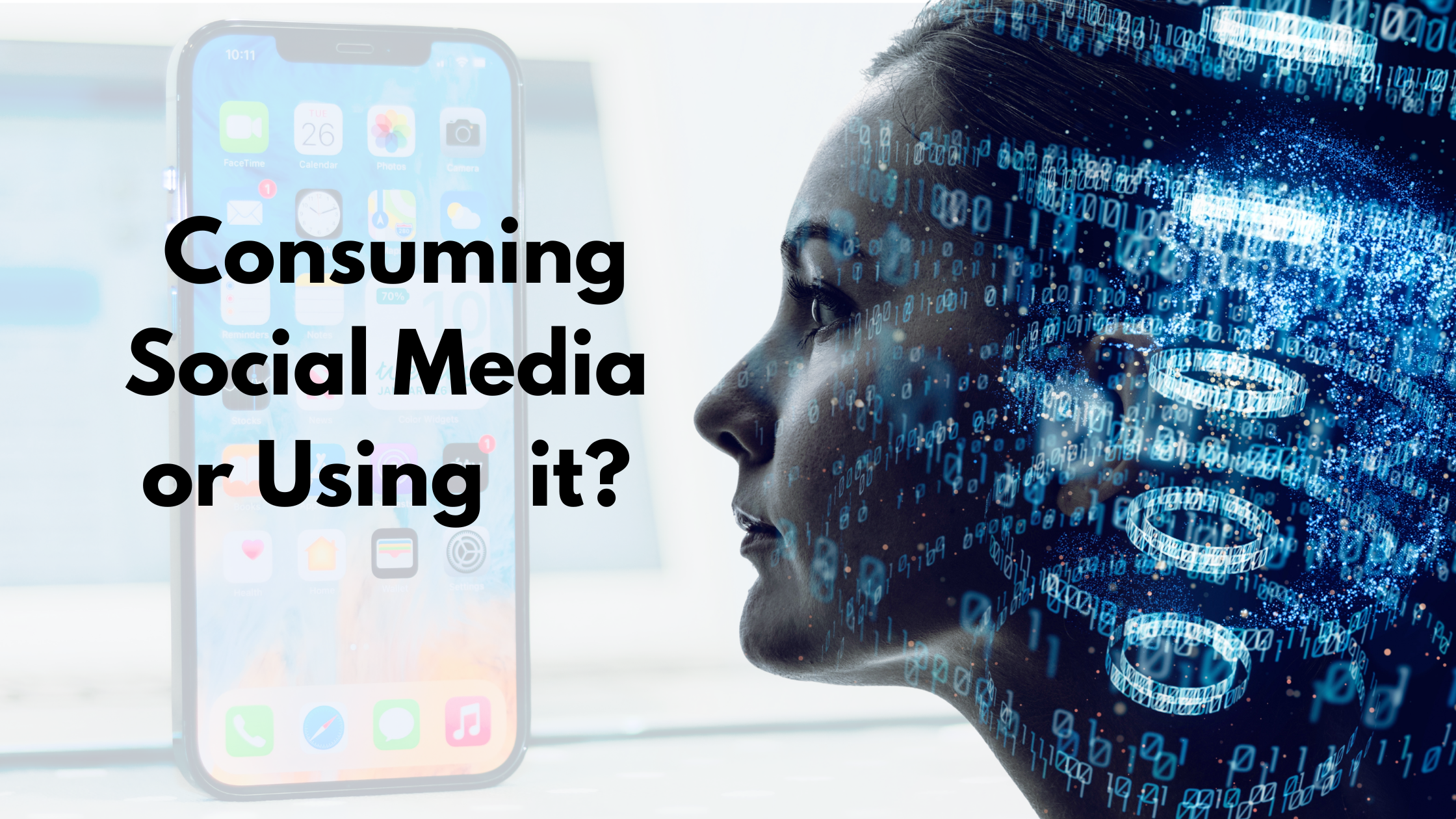
Social media has become an inseparable part of modern life. It helps us stay connected with friends and family, discover new ideas, learn skills, build businesses, and even create careers. For many, it is the first place to look for news, inspiration, or entertainment. Yet, despite all its benefits, there’s a subtle shift that often goes unnoticed: the moment social media stops being a tool and starts becoming a habit.
Most people don’t plan to spend hours scrolling. It usually begins with a simple intention—replying to a message, checking a notification, or watching one video. A few minutes later, you’re still on the app, moving from one reel to the next, with little memory of what you’ve actually seen.
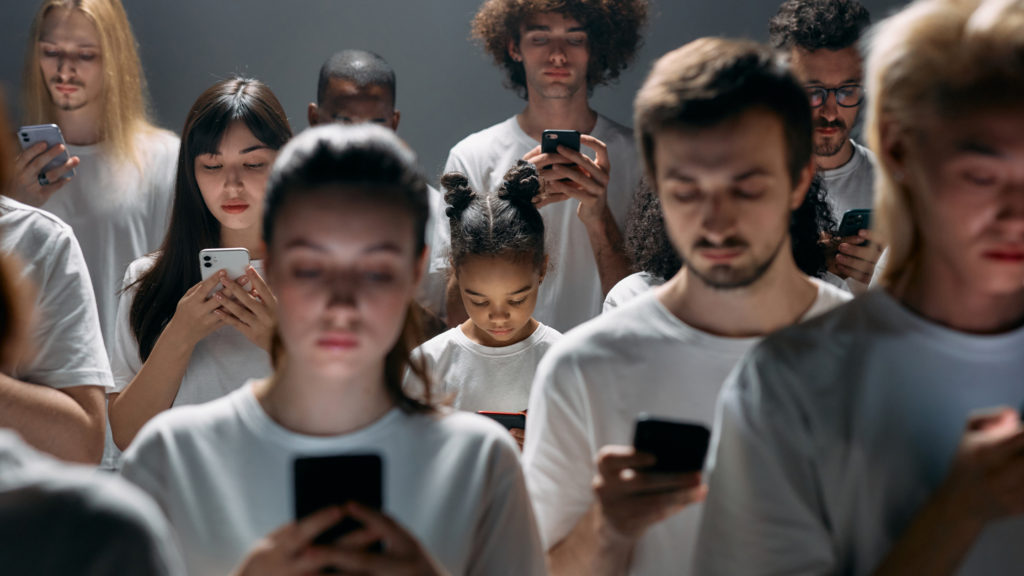
The issue isn’t that social media exists. The real question is whether you’re using it intentionally or simply consuming whatever it places in front of you. If you’ve ever wondered where your time goes online, these signs might help you understand your relationship with social media a little better.
What Does It Mean to Use Social Media?
Using social media means having a purpose before opening an app. You might be looking for industry updates, promoting your work, learning a new skill, connecting with friends, or sharing something meaningful. Once you’ve achieved that purpose, you move on with your day. In this situation, social media works for you. It supports your goals instead of distracting you from them.
Consuming social media is different. It often happens without intention. The app decides what you see next, how long you stay, and what captures your attention. Instead of actively choosing your experience, you passively follow it.
1. You Open Social Media Without Knowing Why
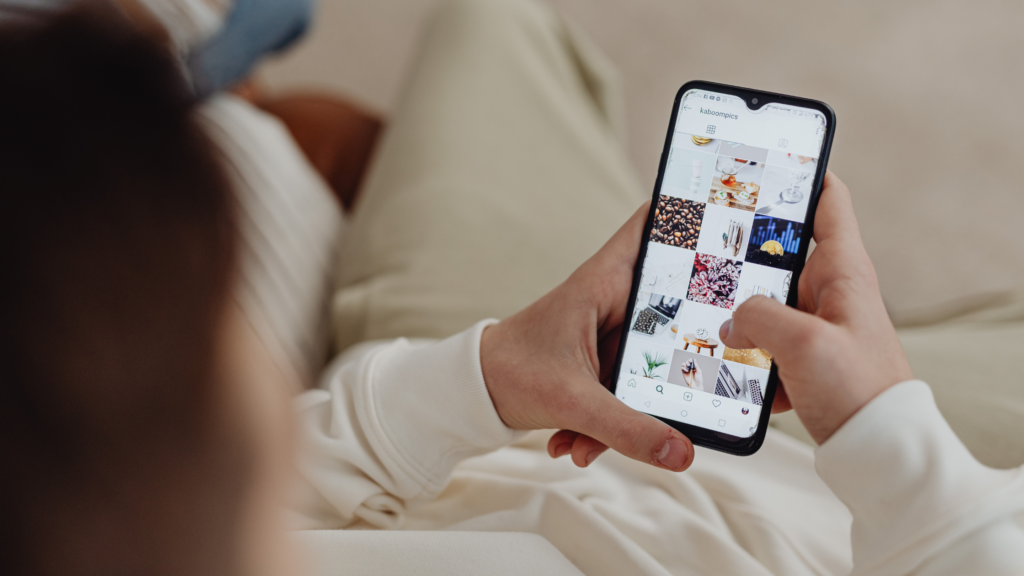
Have you ever unlocked your phone and opened Instagram or Facebook almost automatically? Not because you needed to check something, but simply because your thumb knew where to go.
This is one of the earliest signs that social media has become a habit rather than a conscious choice. When you can’t identify why you’re opening an app, there’s a good chance you’re doing it out of routine instead of purpose.
2. A Five-Minute Scroll Always Becomes Thirty
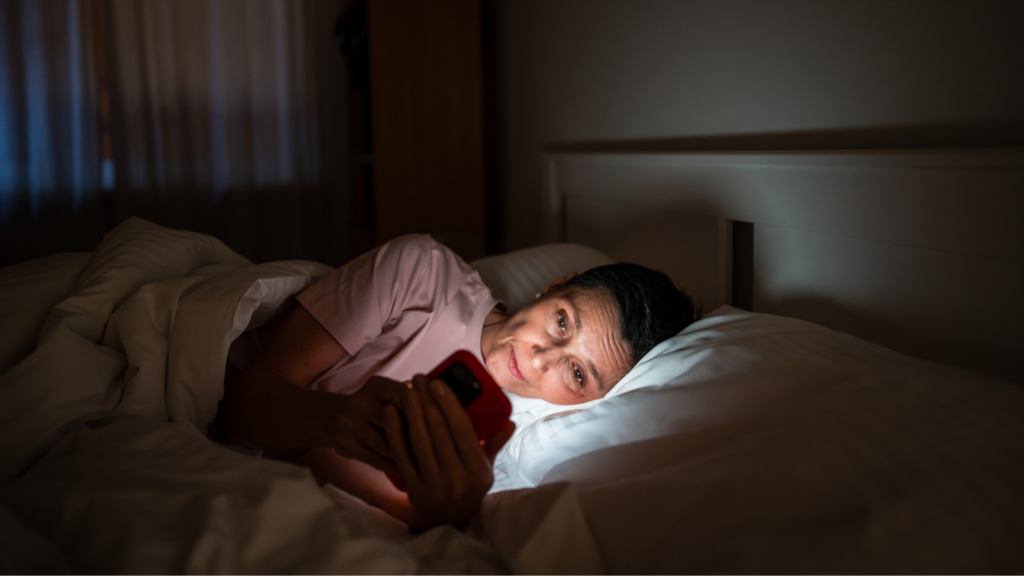
Almost everyone has experienced this. You tell yourself you’ll spend just a few minutes checking updates, but one post leads to another, then another video begins playing automatically, and suddenly half an hour has disappeared.
Losing track of time occasionally is normal. When it becomes a daily pattern, however, it’s worth asking whether you’re controlling your screen time or whether the platform is controlling your attention.
3. You Remember Almost Nothing You Just Saw
Think about the last twenty posts you scrolled through.
How many can you remember? If most of the content disappears from your memory within minutes, it suggests you’re consuming information without really engaging with it. Passive scrolling often creates the feeling of being busy without leaving you with anything meaningful to take away.
4. Every Free Moment Sends You Back to Your Phone
Waiting for your coffee. Standing in a queue. Sitting in a cab. Taking a short work break.
If every small pause in your day automatically becomes scrolling time, you’ve stopped allowing yourself moments of stillness. Social media quietly fills every empty space, leaving very little room for reflection, observation, or even simple boredom—which often sparks creativity.
5. You Compare Your Reality With Someone Else’s Highlights
Social media rarely shows everyday life. It shows achievements, celebrations, vacations, promotions, perfectly edited photos, and carefully selected moments.
When you’re constantly exposed to these highlights, it’s easy to compare your ordinary Tuesday with someone else’s biggest milestone. Over time, this comparison can make your own progress feel smaller than it really is, even when you’re doing well.
6. Notifications Decide Where Your Attention Goes
You’re focused on work when your phone vibrates. You decide to check “just one notification.” Ten minutes later, you’re still scrolling.
Notifications are designed to capture attention. The problem isn’t receiving them—it’s allowing every alert to interrupt your priorities. When your phone constantly dictates where your attention goes, you’re no longer deciding how to spend your time.
7. You Save Content but Rarely Use It
Many people have hundreds of saved posts filled with productivity tips, healthy recipes, business ideas, travel guides, or educational videos.
Saving content feels productive because it creates the impression that you’ll return to it later. In reality, most saved collections are rarely revisited. Learning doesn’t happen when you save information. It happens when you apply it.
8. You Consume Much More Than You Create
Whether you’re a student, entrepreneur, artist, or working professional, social media gives you opportunities to contribute.
You can write thoughtful comments, share ideas, build conversations, showcase your work, or help someone learn something new.
If your online activity consists almost entirely of scrolling while creating very little, you’re missing one of the platform’s greatest strengths. Social media becomes far more valuable when it’s used for participation rather than passive consumption.
9. You Feel Mentally Drained Instead of Inspired
One of the simplest ways to evaluate your digital habits is to notice how you feel after using social media.
Do you feel inspired to try something new? Have you learned something useful? Did you enjoy meaningful conversations?
Or do you simply feel mentally tired, distracted, and strangely unfulfilled?
The emotional impact of your scrolling sessions often reveals more than the amount of time you’ve spent online.
10. You Can’t Clearly Explain What You Gained
Imagine someone asks you what you got from the last hour you spent on social media. Could you answer confidently? Perhaps you learned a new skill, discovered an interesting article, connected with someone important, or found an opportunity.
Or perhaps you simply watched hundreds of short videos without remembering any of them.
When the value of your time becomes difficult to identify, it’s a sign that your attention may be serving the platform more than it is serving you.
Also Read: Social Media and Stress
How to Take Back Control
The goal isn’t to quit social media altogether. For most people, that’s neither practical nor necessary. The objective is to become more intentional.
Before opening an app, pause for a moment and ask yourself why you’re opening it. Follow creators who genuinely educate, inspire, or challenge your thinking instead of accounts that leave you feeling overwhelmed or constantly comparing yourself. Turning off unnecessary notifications can reduce interruptions, while setting a time limit for recreational scrolling can help you become more aware of how quickly time passes online.
If you use social media professionally, spend more time creating than consuming. Share your ideas, participate in meaningful discussions, and build genuine relationships instead of endlessly moving through content. The more actively you engage, the more likely you are to leave the platform feeling that your time was well spent.
Social media isn’t the enemy. In many ways, it has transformed how we communicate, learn, work, and build communities. The challenge is remembering that it was designed to be a tool—not a destination where our attention quietly disappears.
Every time you unlock your phone, you’re making a small decision about how you’ll spend one of your most valuable resources: your attention. Some of those moments help you learn, create, connect, and grow. Others simply fade into an endless stream of content you’ll barely remember tomorrow.
The difference between using social media and letting it use you isn’t measured by your screen time alone. It’s measured by whether you leave the platform with something meaningful—new knowledge, stronger relationships, fresh ideas, or genuine inspiration.
The next time you open your favourite app, ask yourself one simple question: Am I here with a purpose, or am I just here because the algorithm expected me to be? The answer might change the way you use social media from today onwards.
Also Read:L How Social Media Is Affecting Our Mindset and Style of Living?

