


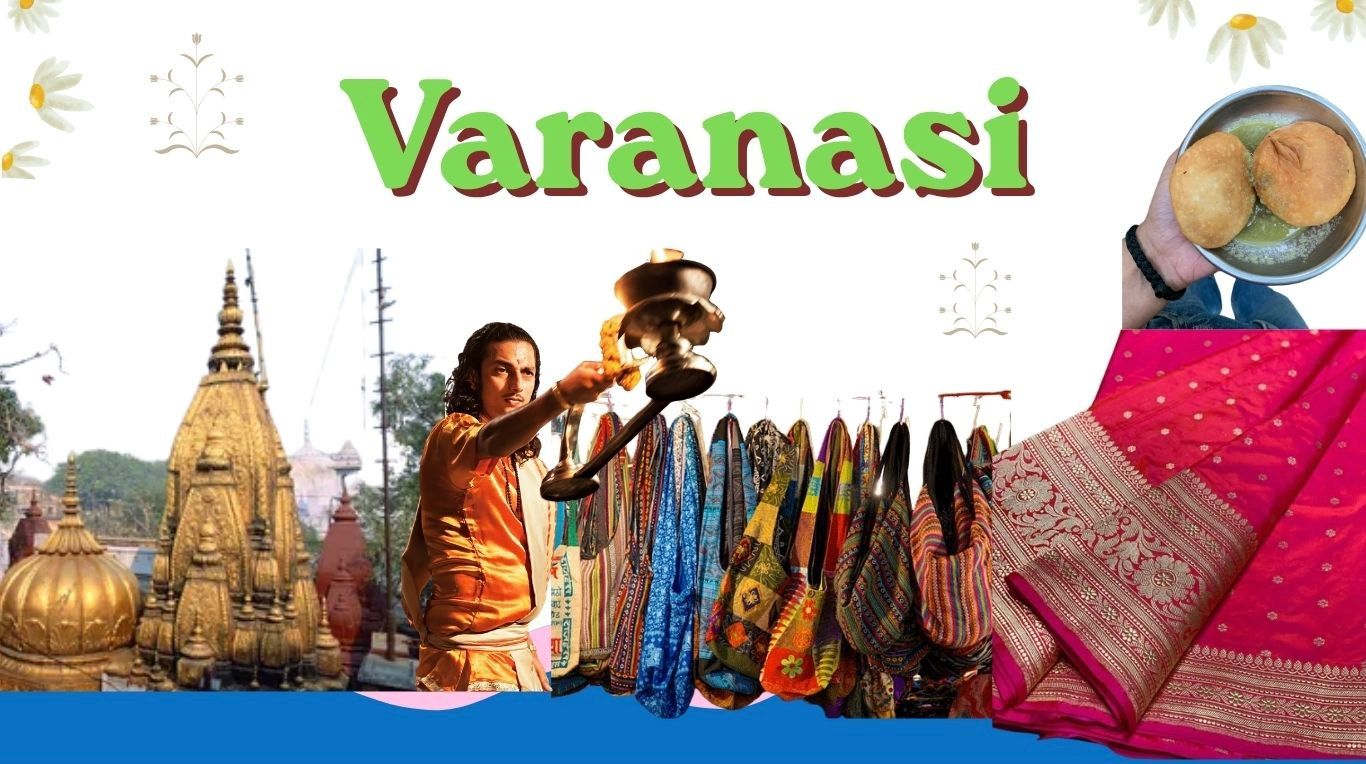
Varanasi is not a city you “visit.” It is a city you absorb slowly, deeply, and often unexpectedly. Known as the oldest living city in the world, Varanasi exists beyond time. Here, life and death unfold side by side, rituals become rhythm, and every narrow lane feels like a story waiting to be understood. For a traveller, it offers spirituality. For a seeker, it offers stillness. And for an artist, it offers endless inspiration—textures, colours, contrasts, and human emotion in its rawest form.
If you are planning a journey, these are the most meaningful and famous places to visit in Varanasi—each carrying its own energy, history, and quiet intensity.
Kashi Vishwanath Temple: The Sacred Core of the City
At the heart of Varanasi lies the Kashi Vishwanath Temple, dedicated to Lord Shiva, the destroyer and transformer. But beyond its religious identity, the temple feels like the spiritual pulse of the city.
The newly built Vishwanath corridor has opened up space, yet the essence remains unchanged: chants echoing, bells resonating, and thousands of people carrying faith in their eyes. Standing here, you don’t just witness devotion—you feel its weight.
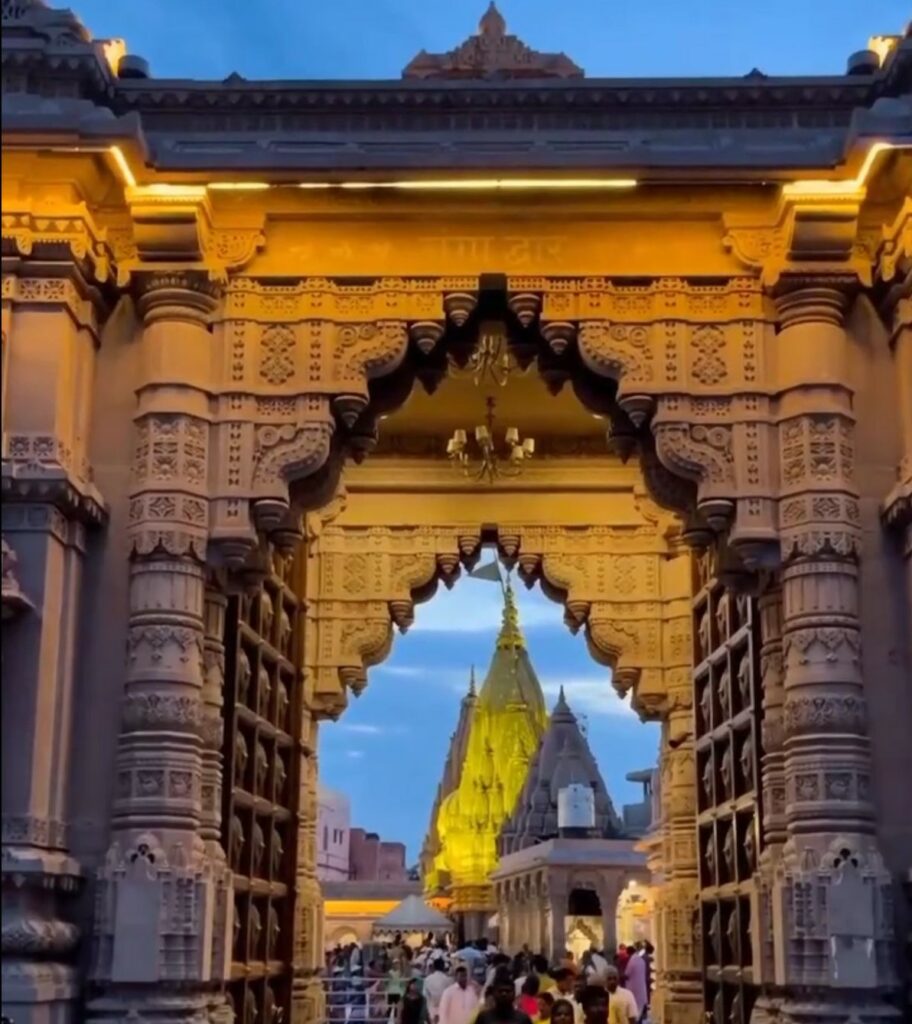
Why it matters: This is not just a temple; it is where centuries of belief converge into a single, powerful presence.
Assi Ghat: The Gentle Side of Varanasi
While many ghats are intense and overwhelming, Assi Ghat offers something softer. Mornings here are unhurried, people practicing yoga, sipping chai, sketching, or simply watching the sun rise over the Ganga.
There’s a creative energy in the air, making it a favourite for students and youth.

Why it matters: It reminds you that Varanasi is not only about rituals—it’s also about quiet, everyday beauty.
Manikarnika Ghat: The Truth of Impermanence
Manikarnika Ghat is perhaps the most misunderstood yet profound place in Varanasi. It is a cremation ground where the fire is said to have been burning for centuries. There is no performance here. No attempt to beautify. Just the quiet acceptance of life’s most certain truth.
Why it matters: It shifts your perspective—not through words, but through experience.
Also Read: Top 10 Mythological Places To Visit In India
Sarnath: Where Silence Speaks
Just a short distance from Varanasi lies Sarnath, where Lord Buddha delivered his first sermon. The contrast is immediate, where Varanasi is dense and vibrant, Sarnath is open and meditative. Walking among ancient ruins and monasteries, you feel a different kind of spirituality , one rooted in silence rather than sound.
Why it matters: It offers balance to the intensity of Varanasi.
Ramnagar Fort: Echoes of Royal Time
Across the river stands Ramnagar Fort, slightly worn yet deeply atmospheric. Its museum holds relics of a different era—vintage cars, royal costumes, antique weapons. The fort doesn’t try to impress; instead, it quietly tells stories of a time that once was.
Why it matters: It connects you to Varanasi’s historical and royal dimensions.
Banaras Hindu University: Space to Breathe
Amid the density of Varanasi, Banaras Hindu University feels like an exhale. Wide roads, greenery, and a slower pace define this space. It’s also home to the New Vishwanath Temple, where spirituality feels more open and less crowded.
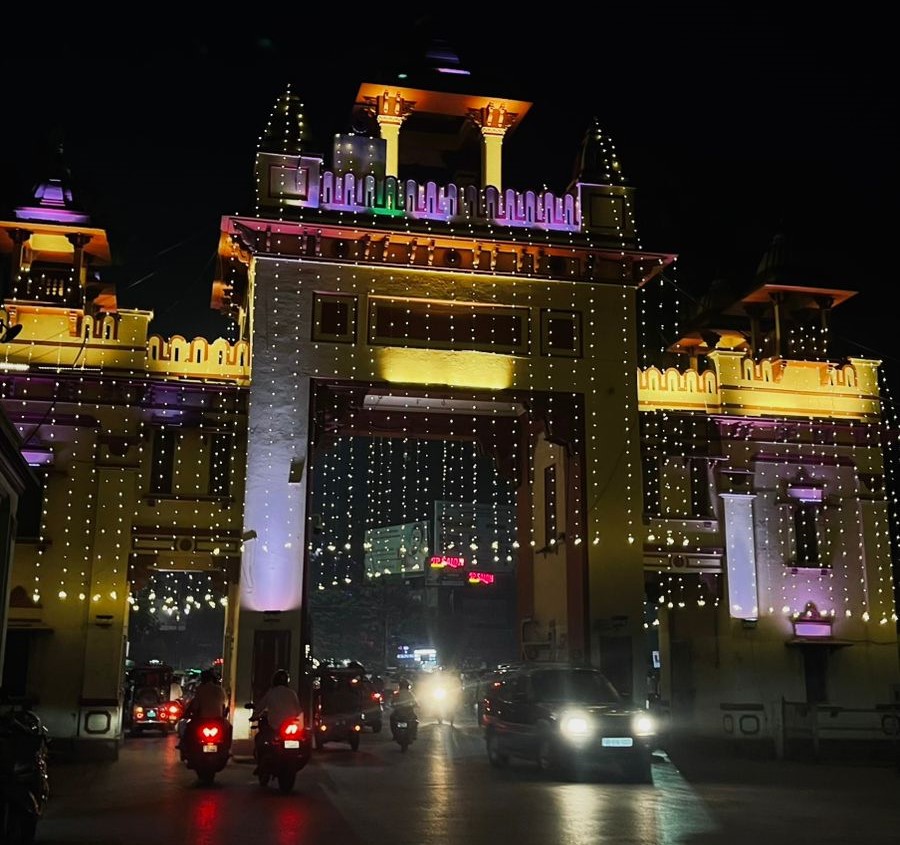
Why it matters: It gives you a pause—a necessary contrast to the city’s intensity.
Tulsi Manas Temple: Poetry in Stone
Built where Tulsidas is believed to have written the Ramcharitmanas, this sacred temple is unique in its expression. Verses from the epic are engraved on its walls, turning architecture into literature.
Why it matters: It blends devotion with storytelling, making spirituality more accessible and intimate.
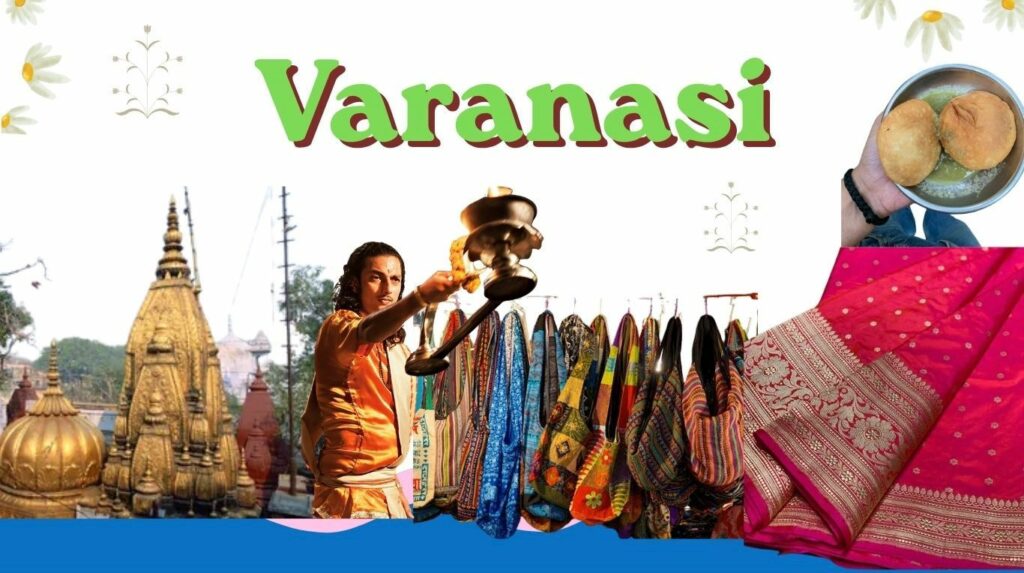
Varanasi doesn’t try to impress you, and that is exactly why it stays with you. It doesn’t slow down, it doesn’t organize itself neatly for visitors, and it certainly doesn’t try to look perfect. It is loud, crowded, emotional, and at times overwhelming, but beneath all of that, there is a kind of honesty that is rare to find anywhere else. Nothing here feels staged. Life simply unfolds as it is, right in front of you.
As you move through the city, you begin to notice things you might usually overlook. Faith is not something people talk about here. It is something you see in small, unconscious actions. In the way someone folds their hands while passing a temple, or pauses for a second near the river. Life feels constant and uninterrupted, flowing through crowded streets, narrow lanes, and along the ghats without ever really stopping. And beauty doesn’t come from perfection. It appears in moments. The way sunlight touches the Ganga in the morning, the sound of temple bells blending into everyday noise, or the quiet expressions on people’s faces.
What makes Varanasi truly special is not just its famous places, but its lanes. When you walk through Vishwanath Gali, you may feel overwhelmed at first. It is narrow, busy, and full of movement, with small shops lined closely together, fabrics hanging above, and the smell of incense in the air. But if you slow down, you start to feel its rhythm. A little further, Godowlia Market brings a different kind of energy. Faster, louder, almost chaotic, yet strangely organized in its own way. Then there are areas like Gurubagh, where everything softens just a bit, allowing you to notice details that usually go unseen. Around the Kashi Vishwanath Corridor, you witness a more open and structured side of the city, but even there, the deeper spirit of Varanasi remains unchanged.
These streets are also where you discover some of the most meaningful parts of your journey. The small shops and local vendors offer handmade items that feel personal. Banarasi fabrics, handcrafted idols, simple souvenirs, and everyday objects created with care. Street shopping here is not about collecting things. It feels more like collecting moments. You might not plan to buy anything, but you often end up carrying something back, a piece that reminds you of how the city felt.
Staying in Varanasi also becomes a part of the experience, especially if you choose a local homestay instead of a typical hotel. Many homestays near the ghats or inside the old city give you a closer look at everyday life. You wake up to temple bells, hear the sounds of morning aarti from a distance, and sometimes share conversations with hosts who have lived in the city for generations. These spaces feel warm, simple, and personal, making your visit feel less like a trip and more like a lived experience.
And then there is the food, which is impossible to ignore. Varanasi’s street food is not just about taste, it is about culture and habit. Early mornings often begin with hot kachori sabzi served fresh, followed by crisp and sweet jalebi that melts in your mouth. Small food stalls tucked into corners or busy lanes serve recipes that have been passed down for years. Eating here is not planned. You walk, you notice, you stop, and you taste. It becomes part of the rhythm of the city.
In the end, Varanasi doesn’t ask you to understand it. It doesn’t try to explain itself or make things easy. Instead, it invites you to experience it slowly, in your own way. And without realizing it, you leave with more than memories. You leave with a feeling, one that stays quietly with you long after you have gone.
Also read: Ghats of Varanasi – A Conflux of Nature and Devotion

