


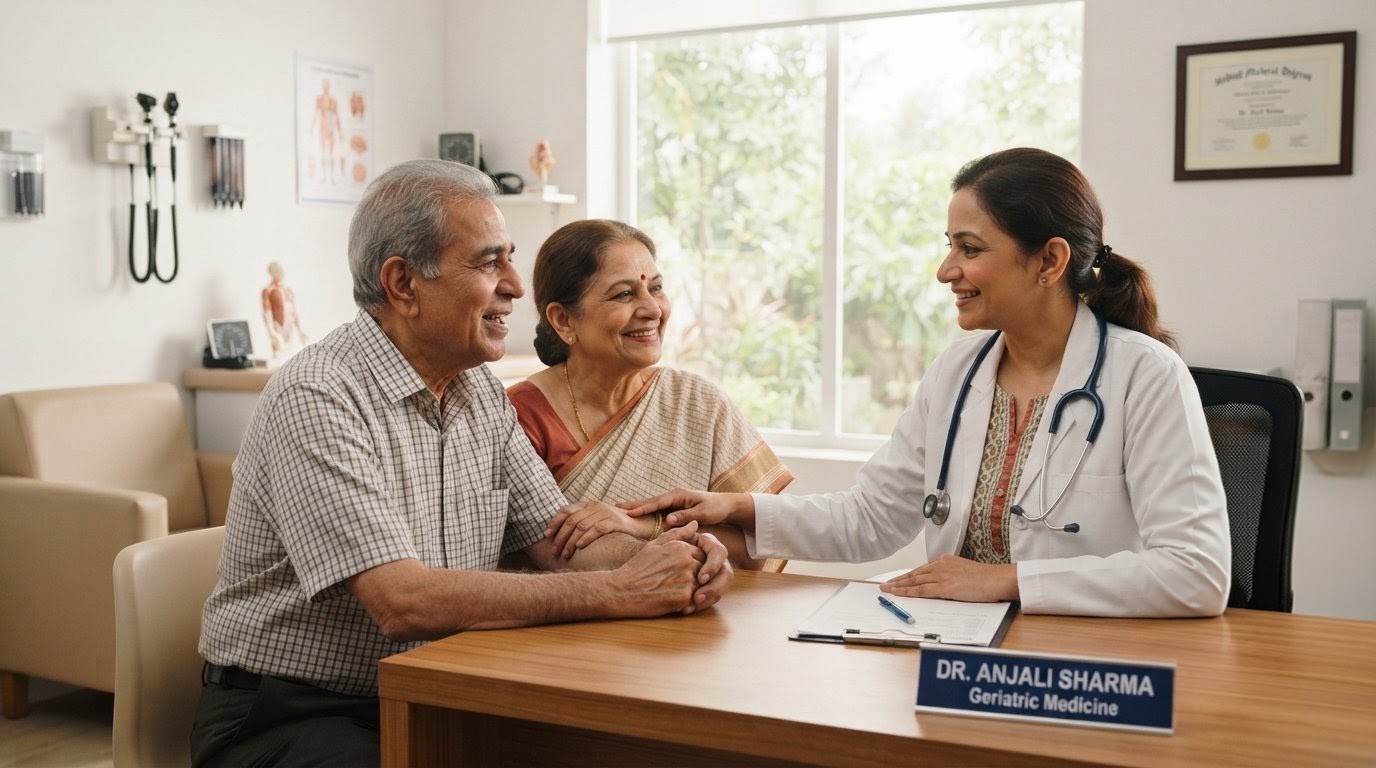
Watch a parent forget where they kept their glasses three times in one afternoon, or see a grandparent come home from the hospital weaker than when they went in, and you start to understand why geriatric care in India has become such an urgent conversation. Families are quietly stepping into caregiving roles nobody trained them for, often while still figuring out what’s actually wrong.
Geriatric care in India is medicine built around older adults specifically, people who are usually dealing with more than one health issue at a time and whose bodies react to illness and treatment in ways that don’t always follow the usual playbook. This piece walks through what geriatric medicine really involves, why it’s becoming harder to ignore across the country, and what families can actually do to help the elderly patients in their lives.
Table of Contents
What Is Geriatric Care?
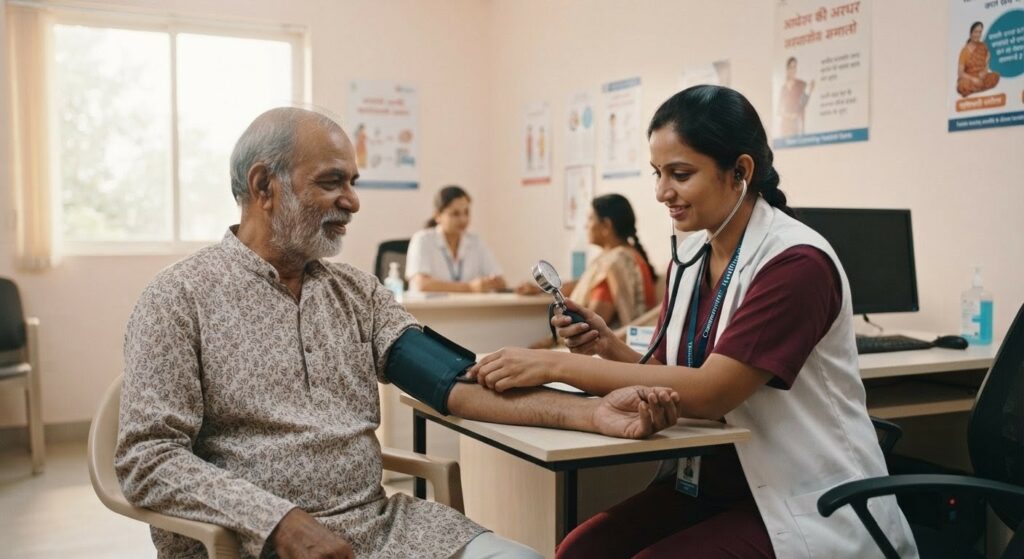
Geriatric care is medical treatment built specifically for older adults, particularly those juggling chronic illness, age-related conditions, or caregiving needs that have gotten harder to manage at home. There’s no set age when someone suddenly needs a geriatrician. It usually comes down to how much is going on medically and how much support the people around them can realistically give.
Two terms get mixed up a lot here. Gerontology is the study of aging itself, the slow decline in how organs function over the years. Geriatrics, sometimes called medical gerontology, is what happens when that knowledge translates into actual patient care.
A lot of geriatric medicine comes down to one question: what does this specific patient actually want? Some people care most about staying independent. Others would rather feel comfortable than live longer. A good geriatrician figures out which one matters more to that person, instead of running through the same checklist for everyone.
Why Geriatric Care Matters in India
India’s elderly population is growing faster than the system meant to care for it. For a long time, elderly healthcare in India just meant adult children looking after aging parents at home, with no formal training required. That’s changing now, and a lot of families are realizing they need real medical support they were never really taught how to give.
Geriatric care in India isn’t some small, specialized corner of medicine anymore. It’s turning into something that millions of households actually need, often with little guidance on where to start. Knowing what this care involves is a decent first step toward making better calls for the older people in your life.
Difference Between Adult Medicine and Geriatrics
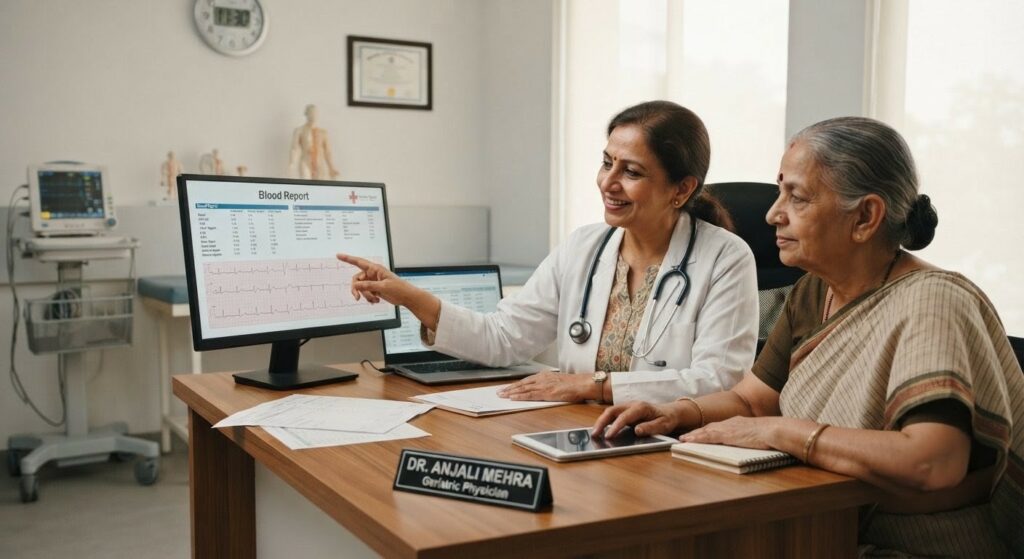
General adult medicine tends to treat one problem at a time. Geriatric medicine starts from a different assumption, that older patients are probably dealing with several things at once, something doctors call multi morbidity.
A few things really separate the two.
- The same disease can look completely different in an older patient. Pneumonia might show up as confusion instead of a fever and cough.
- Physiological reserve drops with age, so something as small as dehydration can spiral fast.
- Older patients sometimes struggle to explain what’s wrong, especially when cognitive impairment is part of the picture.
- Geriatric teams pull in more than one specialty by default, nursing, pharmacy, social work, physical therapy, rather than leaving it to one doctor.
This is also why a simple fever in an older person deserves more attention than people give it credit for. What looks minor on day one can turn into confusion, then a fall, then a fractured hip within a week.
Common Health Problems in Older Adults
Older adults deal with a fairly specific set of health challenges, most of them tied to declining physiological reserve. These problems rarely show up alone. They tend to stack on top of each other, which is exactly why geriatric care looks at the whole person instead of chasing one symptom at a time.
The usual suspects include reduced mobility, chronic pain, hearing and vision decline, slower recovery after illness or surgery, and a higher chance of something going wrong with medication. Elderly patients are also more prone to delirium, sudden confusion that can be triggered by something as small as constipation or as serious as a heart attack.
Cognitive Health and Dementia
What Causes Cognitive Decline in Older Adults
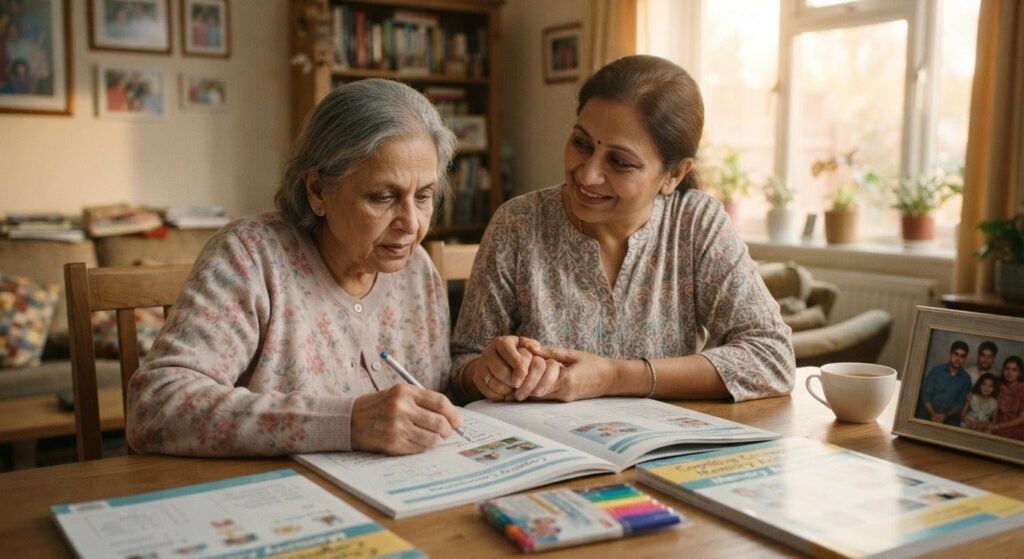
Cognitive aging usually shows up as slower thinking, a shakier working memory, and weaker executive function, while long term knowledge tends to hold steady. Brain scans of older adults often show more activity in the prefrontal and parietal regions during mental tasks, which researchers think might be the brain compensating for areas that have worn down elsewhere.
Mild Cognitive Impairment, or MCI, sits somewhere between normal aging and dementia. It affects roughly 10 to 20 percent of adults over 65 and shows up especially often in older adults dealing with depression. Not everyone with MCI ends up with dementia, but doctors still treat it as a real warning sign worth watching.
Dementia itself touches a large share of geriatric patients, and Alzheimer’s disease accounts for 40 to 80 percent of those cases. Most elderly patients with dementia are also managing other conditions at the same time, which is exactly why care needs to be coordinated rather than piecemeal.
Doctors lean on a handful of tools to check cognitive function, including the MMSE, the Montreal Cognitive Assessment, and GERRI, which looks at cognitive function, social behavior, and mood all at once.
Medication Challenges
Why Older Adults Are More Sensitive to Medication
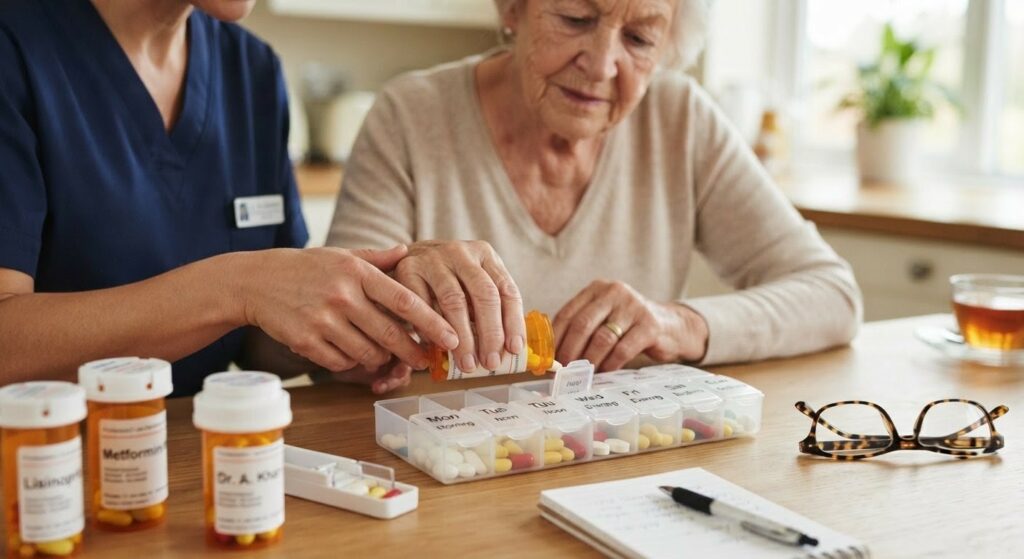
Older adults often end up on several medications at once, something doctors call polypharmacy. Add in herbal remedies or over the counter drugs people take on their own, and the odds of a dangerous interaction climb quickly.
Age changes how the body handles medication at every step: absorption, distribution, metabolism, and elimination. A slower liver means drugs clear the system more slowly. Weaker kidneys affect how well the body gets rid of them. Even pain relief hits differently; the same dose of morphine can affect an 80-year-old very differently than it would someone half that age.
Research suggests close to a third of medication regimens for elderly patients in home care settings carry some kind of error, and about a quarter of elderly patients admit to skipping doses or cutting them in half on their own. That alone makes a strong case for regular medication reviews as a normal part of elderly healthcare in India, not an afterthought.
Geriatric Syndromes
Geriatric syndromes are clusters of problems common in older adults that don’t trace back to one single disease. They’re what happens when several body systems decline together instead of one obvious thing going wrong.
Frailty
Frailty tends to show up as unplanned weight loss, constant fatigue, weaker muscles, and slower movement. Frail patients land in the hospital more often, and they don’t bounce back from minor injuries or infections the way healthier patients do.
Functional Decline
Functional decline affects how well someone can handle basic daily tasks like eating or bathing, along with more complex ones like managing money or cooking. Doctors track both closely because they’re a good early signal of whether someone can keep living on their own or needs more help.
Falls
Falls send more people over 65 to the emergency room than almost any other single cause. The good news is that a lot of the risk factors can actually be changed, better balance training, fewer hazards around the house, medication reviews for anything affecting stability.
Urinary Incontinence
Incontinence in elderly patients often comes down to medication side effects, urinary tract infections, or nerve damage that affects bladder control. Mobility problems make it worse too, simply because getting to a bathroom in time becomes its own challenge.
Malnutrition
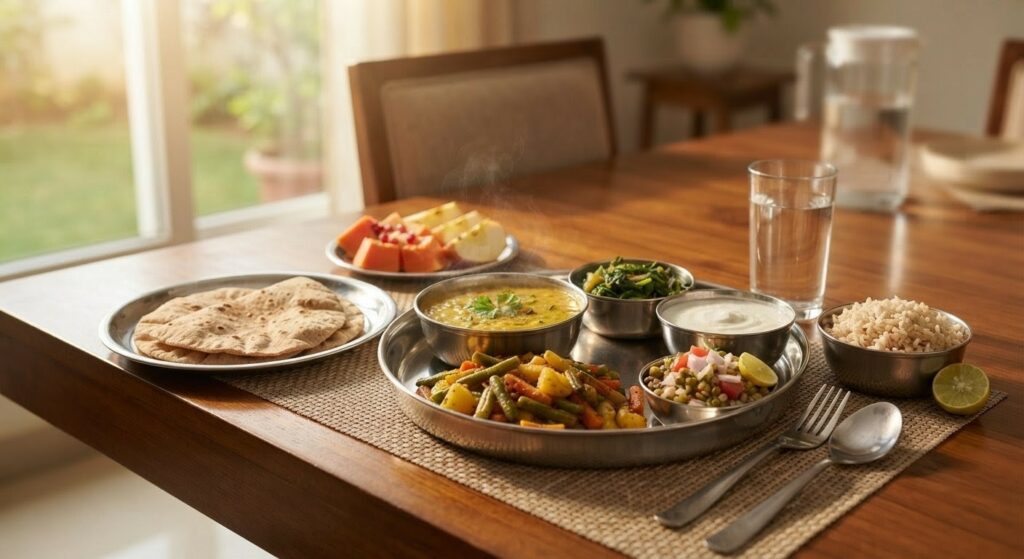
Malnutrition shows up more often than people expect among hospitalized and institutionalized elderly patients. A weaker sense of taste and smell, chronic illness, even grief or depression, any of these can quietly chip away at someone’s appetite over time without anyone noticing right away.
Also Read: Vitamin Deficiency Symptoms: Why Vitamin B12, Vitamin D, and Iron Deficiencies Are Rising
Practical Care for Seniors
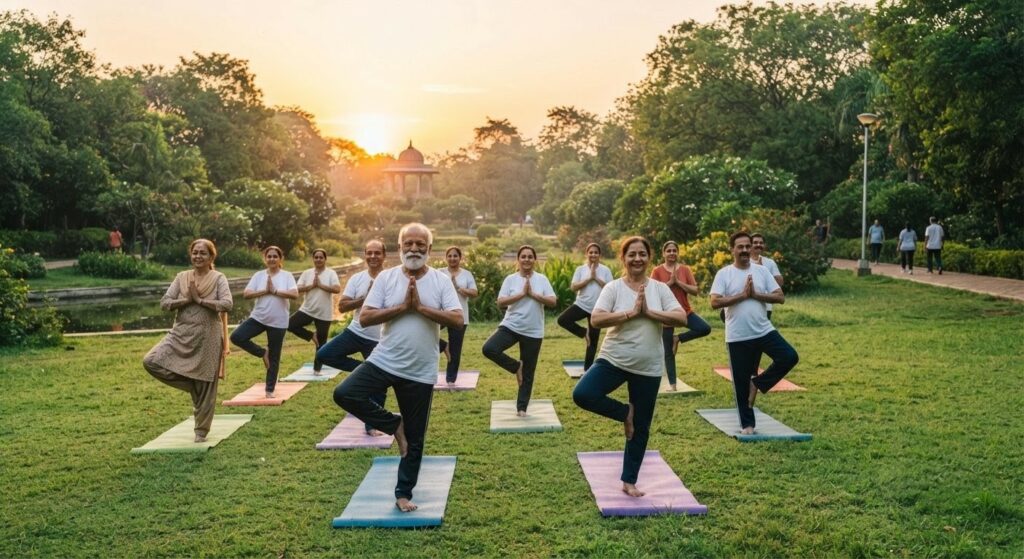
Most elderly patients want the same basic thing, to stay independent for as long as they possibly can. Getting there safely sometimes means rethinking the usual risk versus benefit math. Frail elderly women, for instance, often stop routine mammogram screening once the cancer being screened for is unlikely to affect them before something else does first.
One frailty scale doctors use scores patients from 0 to 5 across five factors, unplanned weight loss, weaker muscles, exhaustion, low activity, and a slower walking pace. Patients who score a 4 or 5 face a much higher risk of complications after surgery, including a far greater chance of ending up in a nursing home afterward instead of going home.
This is exactly why assessing frailty before surgery matters so much. A number on that scale tells doctors more about someone’s likely recovery than their age on paper ever could.
Geriatric Care in India
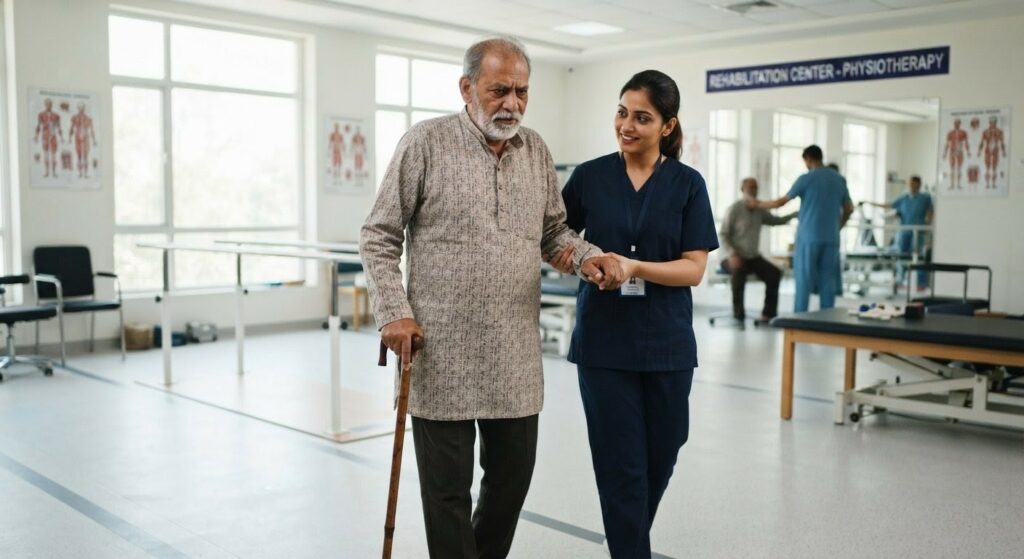
Geriatric care in India is still finding its footing as a medical specialty. Doctors who want to specialize complete a 5.5 year MBBS degree, then a three year MD residency in Geriatric Medicine. Right now, only a handful of institutes across the country offer that training, and even the structure varies from place to place. Some programs weave geriatric training throughout, others limit it to just one dedicated year after two years of general internal medicine.
That shortage has real consequences on the ground. Plenty of elderly patients across India, especially outside the big cities, have little to no access to a trained geriatrician and end up relying on general physicians who may not recognize how differently disease can present in older adults.
Challenges Facing Indian Healthcare
A few structural gaps keep holding back elderly healthcare in India.
- Too few geriatric specialists, especially outside major cities
- Low public awareness of what geriatric medicine actually offers
- Weak geriatric training within general medical education
- Caregiver burnout among family members carrying complex, unpaid responsibilities
- Rising elder abuse cases, often tied to caregiver stress or untreated mental illness at home
Fixing these gaps takes more than building new hospitals. It means better training pipelines, more community awareness, and support systems that don’t leave families figuring out age-related conditions entirely on their own.
Future of Elder Care
Geriatric care in India will likely move forward through more MD training programs, stronger geriatric training in general medical education, and better home based and community care options. Countries with older populations have already shown that investing in geriatric infrastructure early cuts down on long-term hospital and care costs down the line.
Technology is starting to play a role too, from medication reminder apps to remote monitoring tools that help families keep an eye on elderly relatives living on their own. None of it replaces trained geriatric care, but it can genuinely support it.
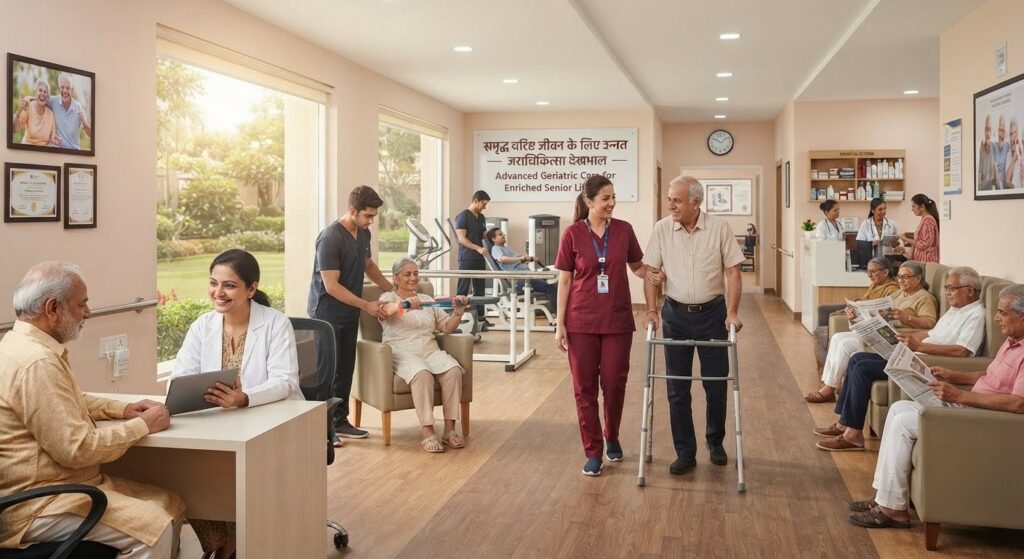
Geriatric care in India isn’t a small, specialized niche anymore. It’s becoming something families across the country actually need, as people live longer, households get smaller, and age-related conditions get more complicated to manage than they were a generation ago. Understanding how geriatric medicine works, from cognitive health to medication safety to fall prevention, gives families a real advantage in supporting the older people they care about.
Whether you’re trying to make sense of a parent’s diagnosis right now or just thinking ahead, spending time understanding geriatric care in India today can genuinely change how things go later.
Frequently Asked Questions
What is the main goal of geriatric care?
The main goal is helping older adults live with the best quality of life possible while managing chronic conditions, built around what each patient actually wants rather than a one size fits all plan.
At what age should someone see a geriatrician?
There’s no set age. It usually comes down to how many chronic conditions someone is managing and whether their care needs have gotten too complex for a general physician or family caregiver to handle alone.
Is geriatric care available across India?
Not evenly. Only a small number of institutes currently offer MD training in Geriatric Medicine, so many elderly patients, especially outside major cities, have limited access to specialists in this field.
What is the difference between geriatrics and gerontology?
Gerontology is the study of aging as a whole. Geriatrics is the medical care built around that knowledge, focused specifically on treating older patients.
What are common signs that an elderly person needs geriatric care?
Frequent falls, unexplained weight loss, confusion or memory changes, trouble managing daily tasks, and struggles keeping track of medications are all worth bringing up with a doctor sooner rather than later.
Also Read: How Indian Families Can Support the Nutritional Needs of Senior Citizens with Smart Food Choices

