


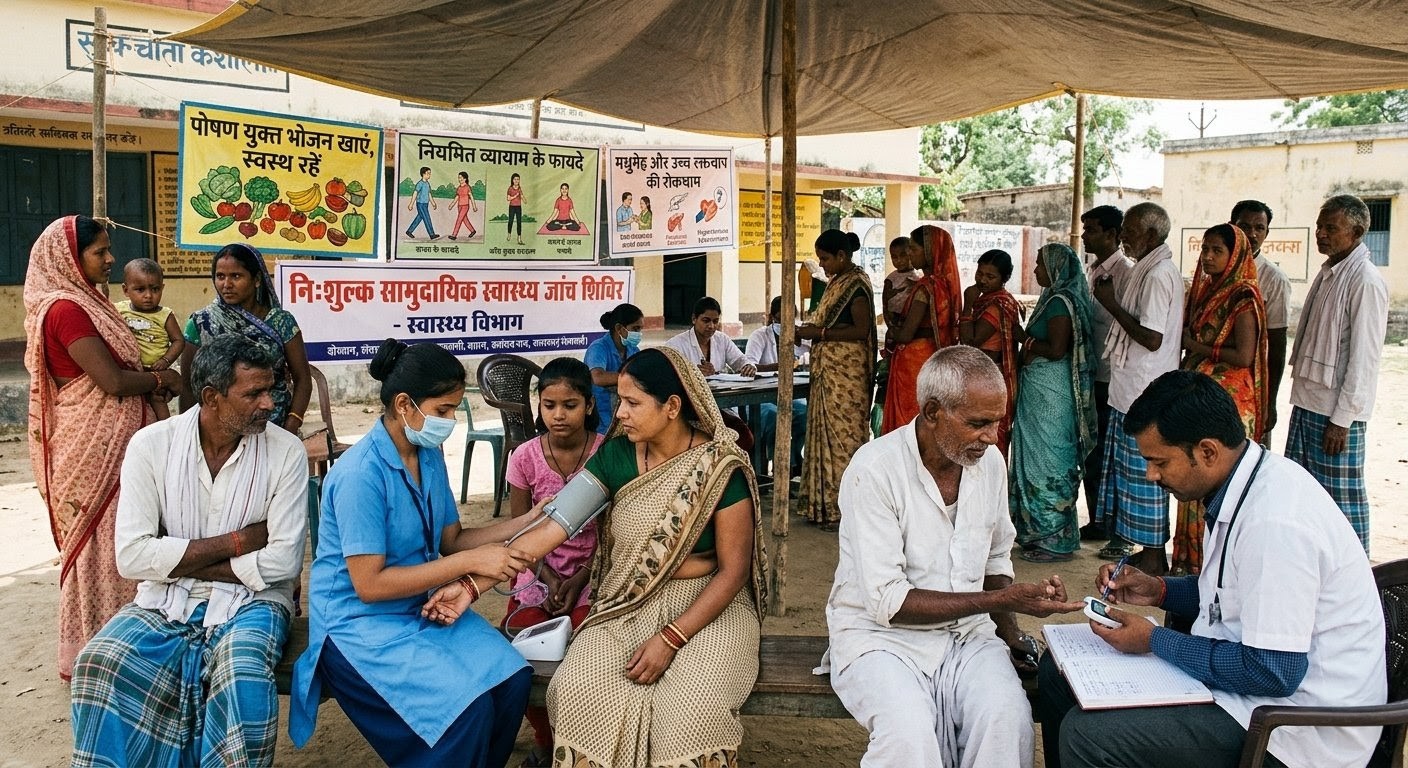
The latest NFHS-VI findings have brought the India Nutrition Crisis back into focus, highlighting the complex challenges of malnutrition, obesity, and lifestyle-related diseases.
For almost two decades, there has been a pattern in the health profile of Indians. The government’s interventions have had some success in reducing the burden of several communicable diseases. However, the quality of life of a large section of the country’s population is being affected by lifestyle diseases.
The National Family Health Survey VI, released at the end of last week, highlights the alarming proportions taken by diabetes in the country – one in six Indians reported high sugar levels. The disease’s challenges are complicated by the rising rates of obesity. Survey shows that nearly 30 per cent of Indians are obese. The two conditions combine to form a vicious metabolic cycle, increasing the risk of hypertension, cardiovascular diseases, kidney and pancreatic disorders, and even cancers.
Table of Contents
The Economic Impact of the India Nutrition Crisis
The rise in diabetes and obesity, apart from the health concerns of individuals, has also major economic implications. Chronic diseases need long-term treatment, frequent visits to the doctor, and continuous medication, thereby putting a financial strain on both families and health care systems. The increasing prevalence of lifestyle-related disease earlier in life is likely to result in greater productivity losses through illness and disability, with implications for household incomes as well as national economic growth.
Changing Food Habits and Their Consequences
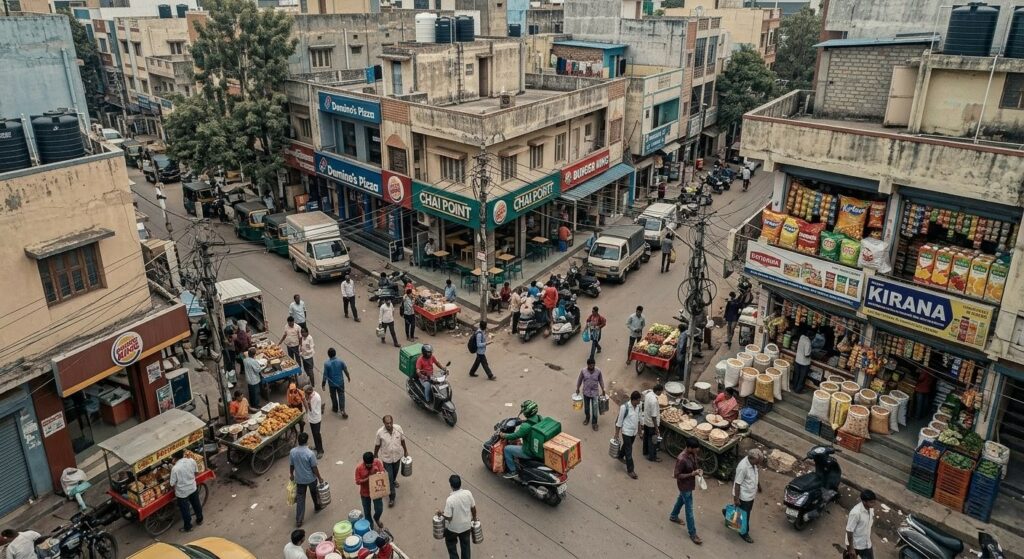
This trend is driven in large part by rapid changes in dietary behavior. Traditional Indian diets, once rich in millets, pulses, seasonal vegetables and local food, are now being replaced by highly processed products, with high amounts of sugar, salt and unhealthy fats. This transition has been accelerated by urbanization, changing work patterns, aggressive food marketing and the growth of convenience foods. Although these foods are generally easy to access and inexpensive, habitual consumption of these foods significantly increases the risk of obesity and metabolic disorders.
The epidemiological transition with rising incomes, urbanisation and lifestyle changes has been seen in many developing countries. But the challenge for India is made worse by the fact that the older challenge of malnutrition has not been fully addressed.
Understanding the Double Burden Behind the India Nutrition Crisis
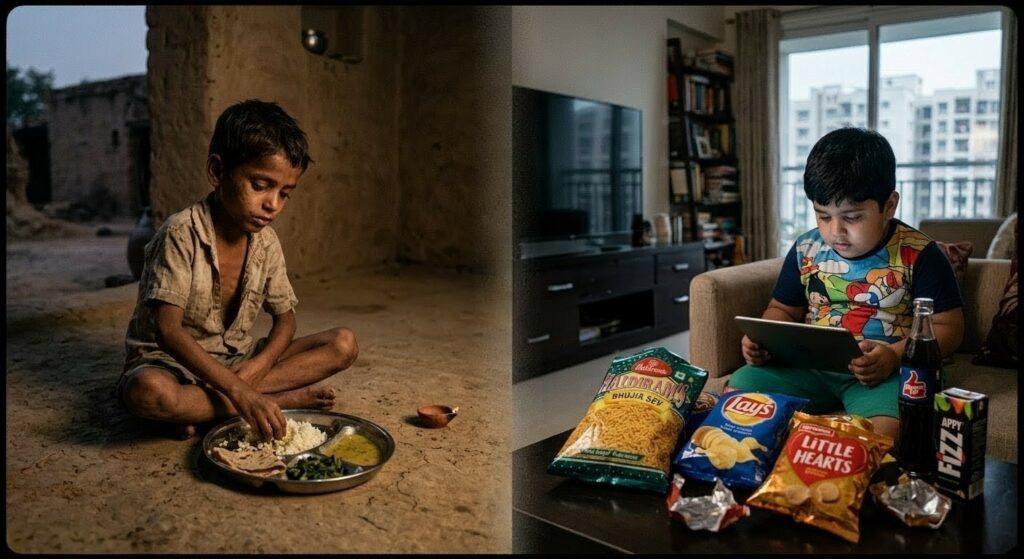
The Survey reveals that the country is suffering from a double disease burden. Government programs have greatly improved child nutrition. However, more than 31 per cent of children are still underweight. NFHS-VI reveals that more than 80 per cent of infants between six and twenty-three months do not get an adequate diet. Meanwhile, childhood obesity is an increasing trend in the country.
A sequential approach was adopted by several Asian economies in dealing with the double disease burden, focusing first on undernutrition and then on obesity and metabolic disease. In India, however, a combination of government policies and people’s choice has led to a prioritisation of calorie intake at the cost of nutritional diversity. Diets have shifted away from coarse grains, pulses, and fibre-rich meals towards refined carbohydrates and processed foods.
Nutritional Challenges Among Children
At the same time children in marginalised communities are not exposed to diverse diets. The comprehensive nutritional survey released last year found that nearly 35 per cent of children have levels of triglycerides that are considered adult levels and that predispose individuals to metabolic and cardiovascular diseases.
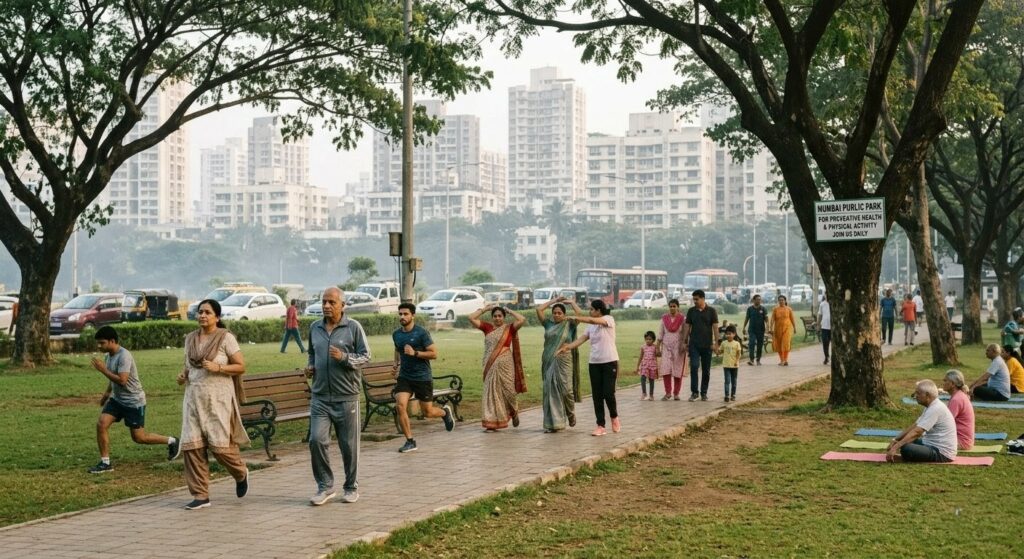
Physical inactivity has aggravated the problem. Daily physical activity has fallen dramatically because of greater screen time, sedentary jobs, less outdoor activity, and reliance on motorised transport. Health experts have been reiterating the need for balanced nutrition and regular exercise to go together in order to prevent lifestyle diseases. Even moderate excesses in diet may promote weight gain and poor metabolic health in the absence of sufficient physical activity.
Addressing the India Nutrition Crisis Through Nutrition Awareness
Government nutrition programs aim to address the issue. They emphasize providing food over understanding how families, particularly mothers, influence children’s dietary choices.
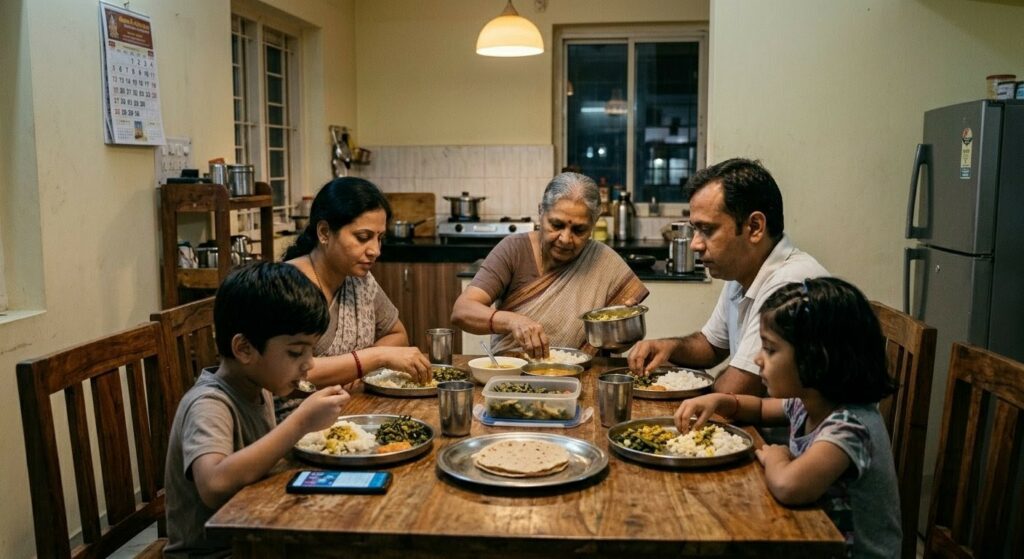
The NFHS-VI findings highlight that household nutrition awareness is crucial. Parents and caregivers influence kids’ eating habits from a young age. Nutrition education can help families learn about different foods, proper portion sizes, and the importance of local foods. This can lead to healthier eating choices for kids. Establishing healthy eating habits in childhood can prevent undernutrition and obesity.
The Role of Schools and Communities
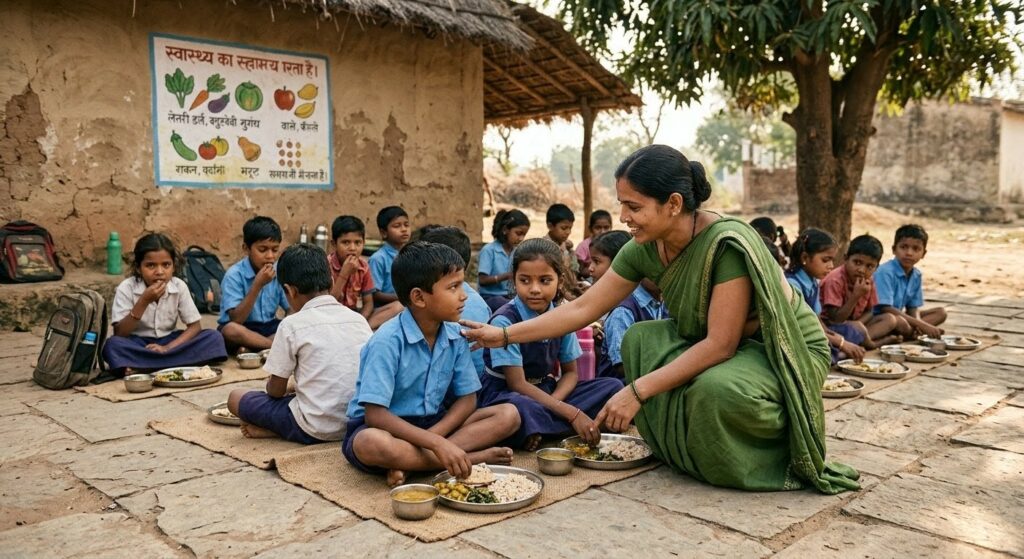
Schools, Anganwadi centres, and community organisations can really help people know more about nutrition. They can teach kids and teens practical things about healthy eating and getting active. This can help them make choices for their whole lives. Community campaigns can also help families choose foods. They can tell people to eat foods that are good for them and stay healthy. Habits learned early can last a lifetime.
Also Read: Beyond Academics: Should Schools Take Extra Responsibility For What Children Eat
The Way Forward for India
Going forward, India’s nutrition strategy must move beyond simply addressing calorie deficiencies. Policymakers need to focus on improving diet quality, promoting food diversity, strengthening nutrition education, and encouraging healthier lifestyles across all age groups. Public health campaigns, school-based nutrition programmes, and community-level awareness initiatives can help bridge the gap between food availability and nutritional well-being.
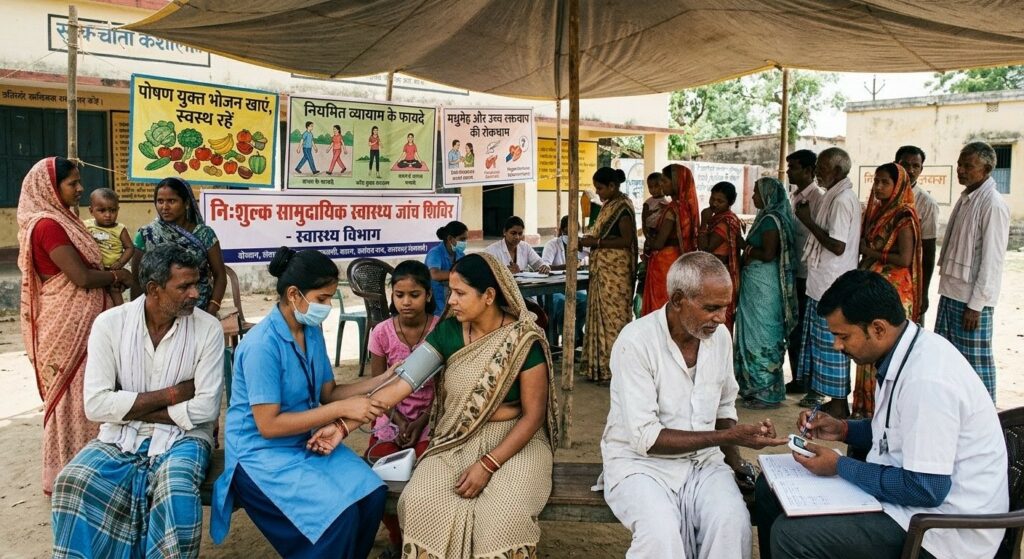
Additionally, greater investment in preventive healthcare, regular health screenings, and nutrition monitoring can help identify risks early and reduce the long-term burden of chronic diseases. Collaboration between government agencies, healthcare providers, educational institutions, and civil society organisations will be essential to creating a healthier future.
The NFHS-VI findings show that the India Nutrition Crisis can no longer be viewed solely through the lens of hunger. Addressing both undernutrition and lifestyle-related diseases will be essential for improving public health outcomes. Achieving this balance will be essential for building a healthier population and reducing the long-term burden of disease.
In the coming weeks and months, the NFHS data will become more granular. That should push the government towards fine-tuning policies and programmes to reduce India’s disease burden and create a more resilient public health system for future generations.
Also Read: India’s Silent Health Crisis: Why Heart Attacks, Diabetes And Cancer Are Rising

