


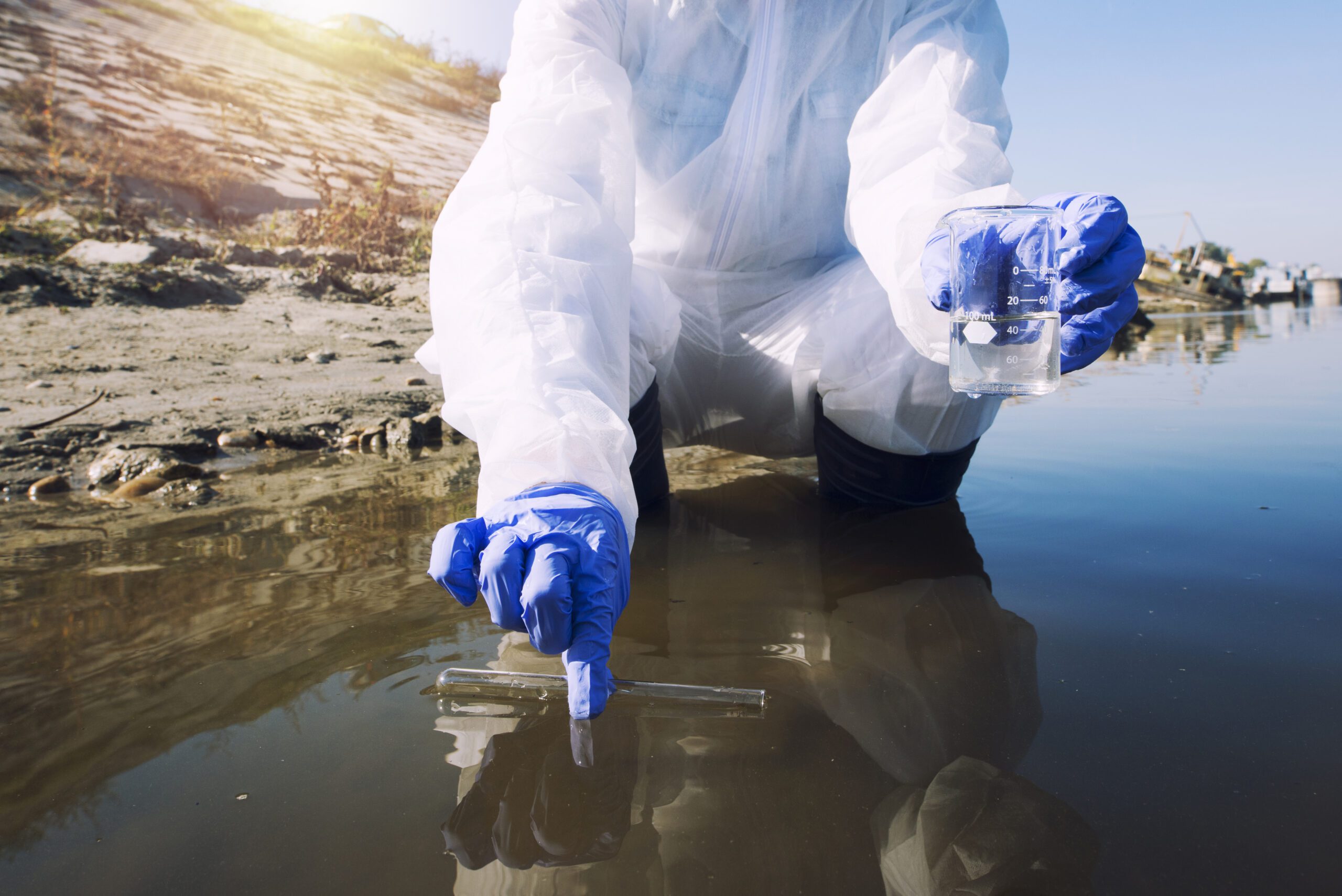
Biomedical waste (BMW) is generated in every health facility, which if not disposed off properly poses a risk for health and environment. Handling, segregation, mutilation, disinfection, storage, transportation and final disposal are vital steps for safe and scientific management of biomedical waste in any establishment. The objective were to assess the biomedical waste management (BMWM) practices and knowledge regarding BMWM in a tertiary care hospital.
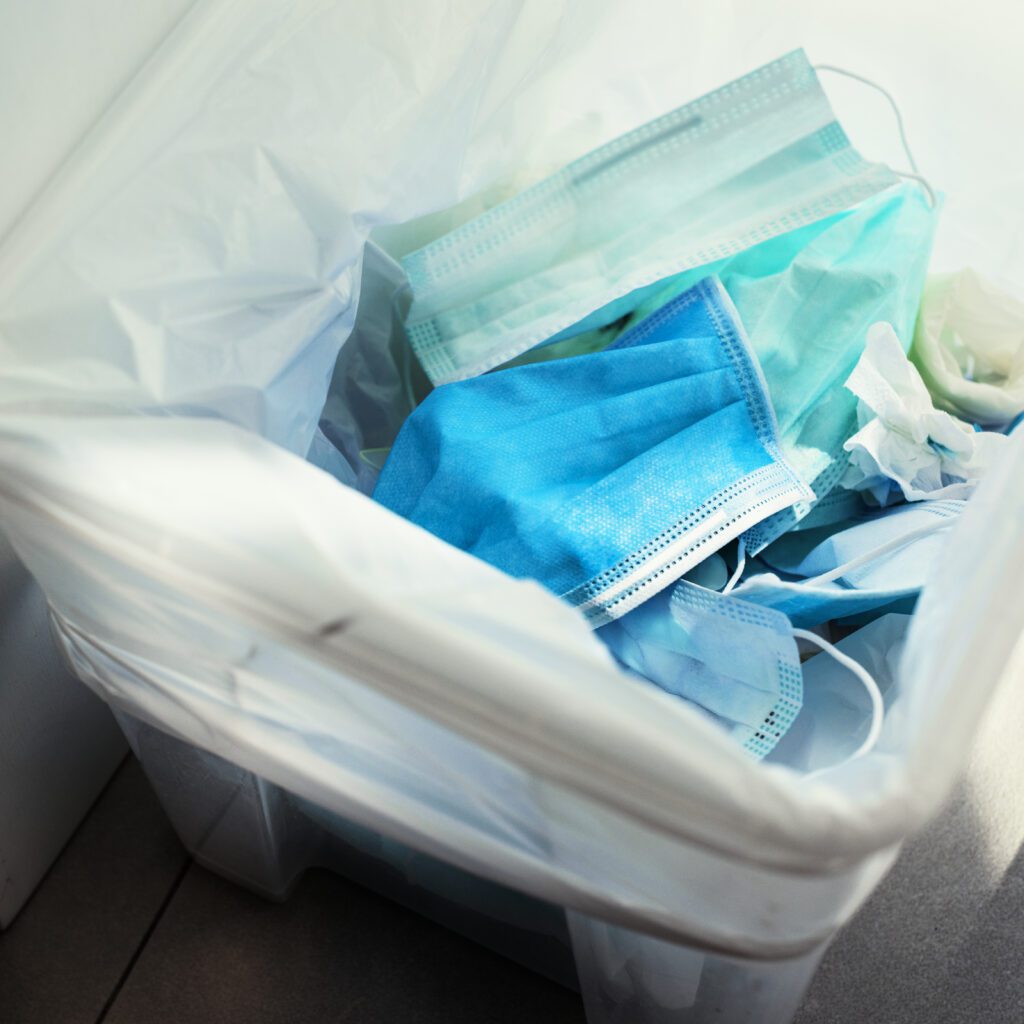
Biomedical waste (BMW) is generated in every health facility, which if not disposed off properly poses a risk for health and environment. Handling, segregation, mutilation, disinfection, storage, transportation and final disposal are vital steps for safe and scientific management of biomedical waste in any establishment. The objective were to assess the biomedical waste management (BMWM) practices and knowledge regarding BMWM in a tertiary care hospital.
Handling, segregation, mutilation, disinfection, storage, transportation and final disposal are vital steps for safe and scientific management of biomedical waste in any establishment. The key to minimization and effective management of biomedical waste is segregation and identification of the waste.5 The general waste is treated by local municipality in same way as house-hold waste, but special precautions and treatment modalities are required for BMW, so that it does not cause any harm to human beings and environment.
Though as many as 40 pathogens have been documented to be transmitted by BMW, its well documented propensity to cause transmission of 3 pathogens namely Human Immunodeficiency Virus (HIV), Hepatitis B Virus (HBV) and Hepatitis C Virus (HCV) makes it essential that due care is exercised while handling and disposing it. The scientific study of hospital waste management is necessary as its improper management poses risks to the health care workers, waste handlers, patients, community in general and largely the environment.
Also, it is highly desirable for a Hospital Administrator to know the weak points in the chain of waste management so that these could be addressed appropriately. This is the reason why the present study is being undertaken to assess the knowledge and practices of biomedical waste management amongst the staff of The HemwatiNandanBahuguna (HNB) teaching hospital, Srinagar Garhwal a tertiary care hospital in Uttrakhand, India.
Biomedical Waste Management Rules were first implemented in our country on 20th July 1998. Thereafter, the rules have undergone periodic updates and amendments in the years 2003 and 2011. Latest Biomedical Waste Management Rules, 2016, and (Amendment) Rules, 2018, were an update and simplification of BMW disposal as compared with the previous version, keeping in pace with the changes in the requirements of the health-care setup.
Although exhaustive, numerous medical devices/products/kits did not find any mention even in the latest amendment of the rules. Thus, this article aims to bring out the key points to be known by all health-care workers and the gray areas which require clarification and inclusion in the rules for a completeness of the said rules.
Healthcare facilities save lives every day, but they also generate a significant amount of biomedical wastethat must be handled with extreme care. Safe treatment and disposal are essential to protect healthcare workers, patients, and the environment. One of the most effective solutions used worldwide is biomedical waste incineration.
1. The Growing Challenge of Biomedical Waste
Hospitals, clinics, laboratories, and healthcare centers generate infectious waste every day. This includes items such as contaminated dressings, syringes, pathological waste, and laboratory materials.With the growth of healthcare infrastructure and increased medical procedures, the volume of biomedical waste continues to rise. Managing this waste safely is critical to prevent infections and environmental hazards.
2. Risks of Improper Disposal
Improper disposal of biomedical waste can pose serious risks.Infectious materials may spread diseases if they are not treated properly. Sharp objects like needles can injure waste handlers, while untreated medical waste in landfills can contaminate soil and water sources.Without proper treatment systems, biomedical waste can become a major public health concern.
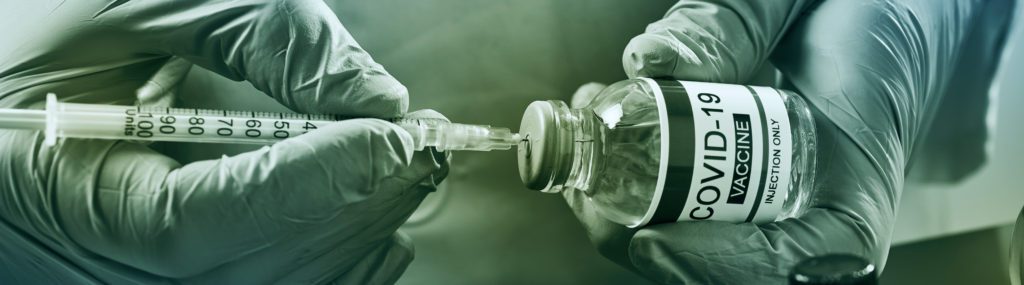
3. How Biomedical Waste Incinerators Work
Biomedical waste incinerators use high-temperature thermal treatment to safely destroy infectious waste.
The process typically includes:
Waste Feeding Segregated biomedical waste is fed into the incinerator in controlled quantities.
Primary Chamber Waste is burned at high temperatures, reducing it to ash and destroying harmful pathogens.
Secondary Combustion Gases produced during combustion are further treated at even higher temperatures to ensure complete destruction of pollutants.
Emission Control Advanced emission control systems help ensure that gases released into the atmosphere meet environmental standards.
Also Read: Regenerative Agriculture In An Era Of Climate Change
4. Key Benefits for Hospitals
Biomedical waste incinerators offer several advantages for healthcare facilities:
- Complete pathogen destructionensures safe waste treatment
- Significant volume reduction, turning waste into minimal ash
- Safe and controlled disposal of infectious medical waste
These systems help hospitals manage waste efficiently while maintaining strict safety standards.
5. Where Incinerators Are Used
Biomedical waste incinerators are widely used in:
- Hospitals
- Clinics
- Diagnostic laboratories
- Research facilities
By adopting reliable biomedical waste treatment technologies, healthcare institutions can ensure safe disposal practices and contribute to better environmental protection.
Biomedical waste management training in India educates healthcare professionals on how to properly handle and dispose of biomedical waste, which includes hazardous materials that can pose risks to public health and the environment.
Also read – Promoting Sandalwood Cultivation for Sustainable Agroforestry in India

